There are many routes to remote nursing. Here, registered nurse Rachael Ferris, originally from Newcastle in NSW, outlines her own “zig-zaggy” pathway.
“I’m always very flexible about where I go and what I do. So long as I think I’m having an opportunity to learn, that’s the main thing for me,” says Rachael.
“Even going into nursing was not set in concrete on leaving school,” she says.
“I started one degree at university and transitioned into nursing through discussions with a mentor. What I did know was that I wanted to do some sort of humanitarian-focused work, so that was the end goal.”
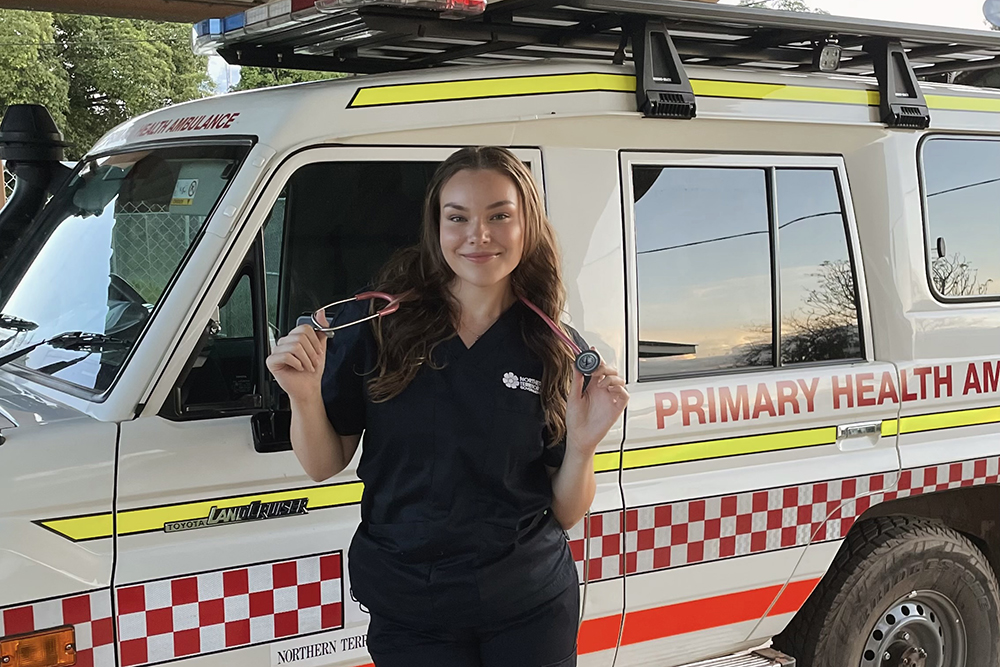
Rachael’s career began on home ground at the John Hunter Children’s Hospital in Newcastle, (population more than 500,000); a job opportunity came up in refugee health and so she moved to Armidale, (rural with a population around 25,000). She then spent nearly a year in a remote community in the Northern Territory (a population of 300 people), before returning to New South Wales where she is currently Clinical Nurse Specialist in Refugee Health at Armidale Rural Referral Hospital, and a clinical nurse educator in Guyra Multipurpose Centre.
“When I moved from urban to rural, I thought, ‘Oh my goodness, the grocery stores close at 8 pm.’ I thought that was diabolical. Then I went remote, there’s one store, it’s open 9 till 5, Monday to Friday, and if you miss it, then you miss it.
“Moving back to Armidale, my entire perspective had shifted; I was now thinking, ‘This is a big city with so many conveniences.’ It really made me appreciate what I took for granted before.”
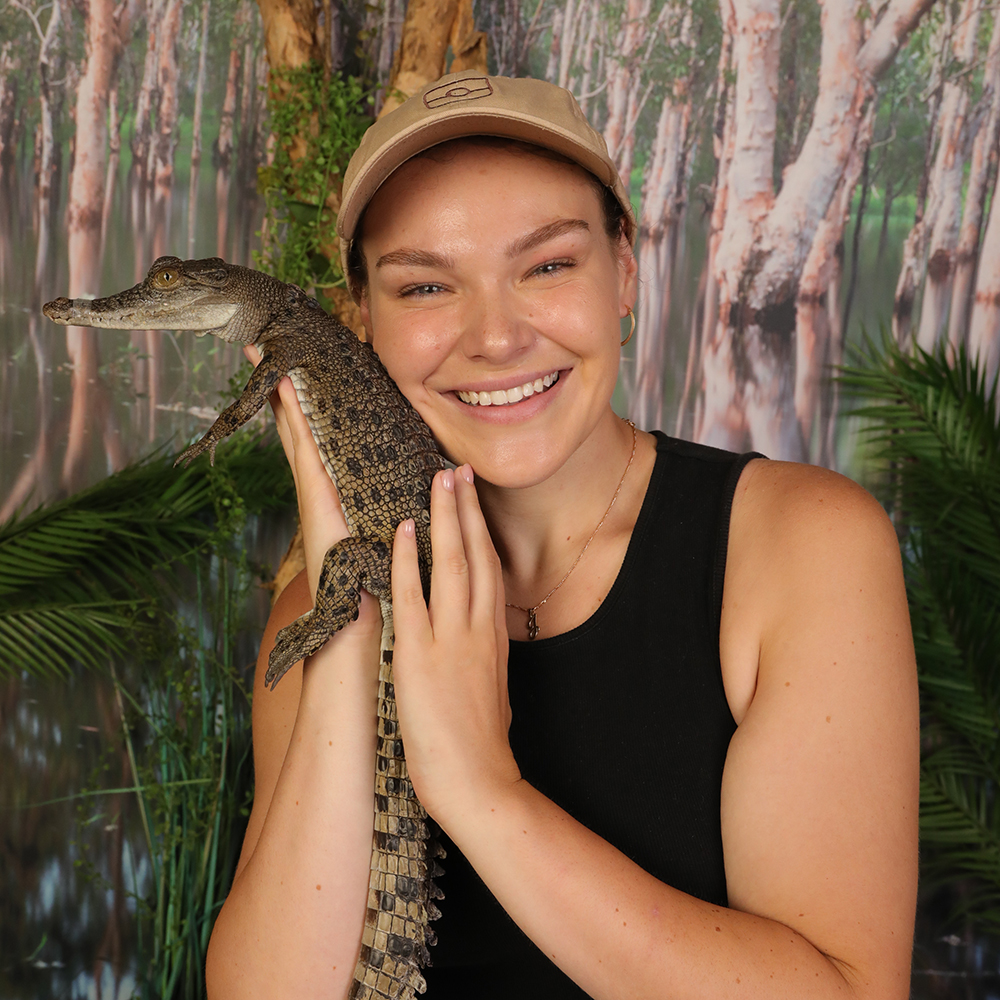
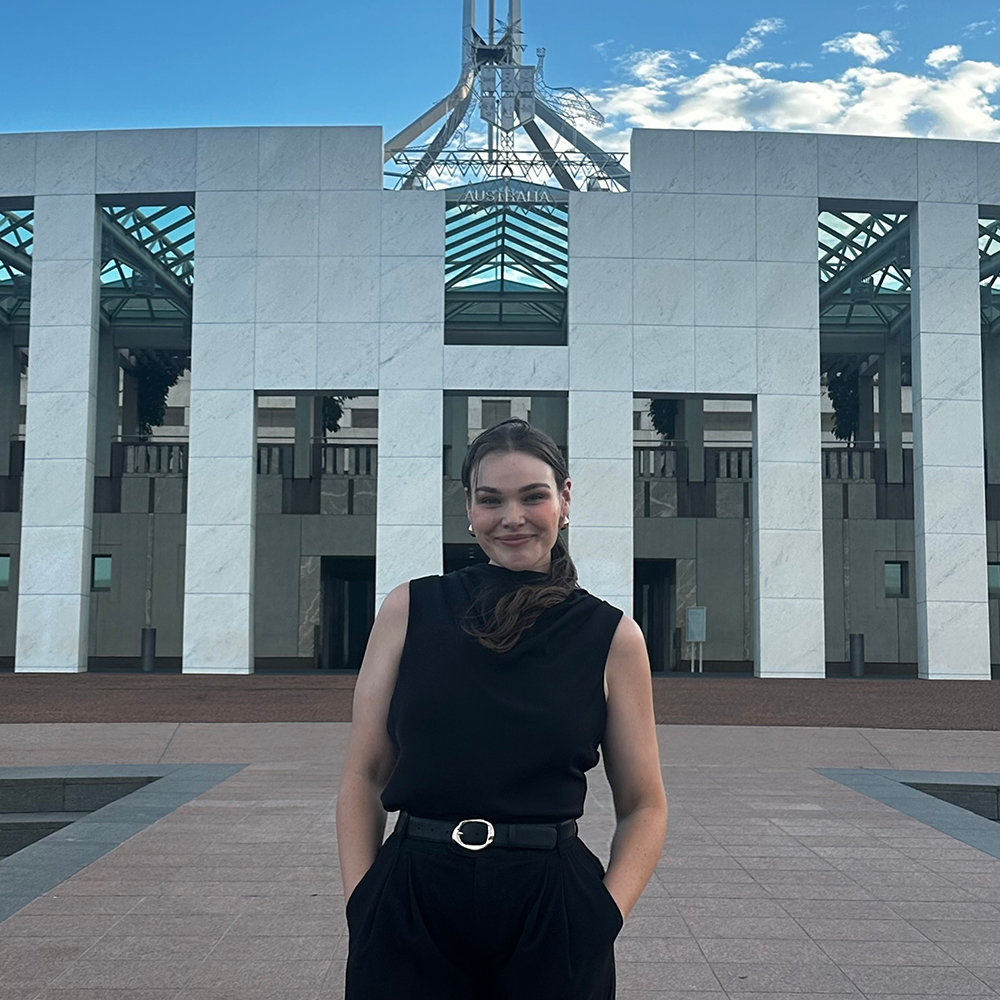
Rachael’s view is that nurses moving between urban, rural and remote settings enjoy many benefits outside of career progression.
“I had a really theoretical understanding of various contexts, but actually seeing and experiencing how that is in practice, how all of these pieces fit together, has been life changing.
“I was aware of transport and employment limitations, but seeing how those things affect daily life gave me a much more holistic view of inequity. In remote settings, you really see those compounding social determinants of health: lack of access to things like fresh food, electricity, warm water and housing.
“That was valuable for me, to really understand what goes on in our own country and what Aboriginal communities experience in these remote settings. I came to understand how the effects of colonisation are always present, and how the effects of the Stolen Generations are still evident in a lot of community dynamics.”
“Everyone will have a very unique experience in the workspace,” says Rachael. “For me, a gradual transition to remote worked well. It will be different for others. Work and life experiences, and expectations, can influence people’s reactions when they move between different degrees of remoteness.
“I’m really glad my pathway took the road it did; with my background in acute paediatrics, and experience working with refugee communities in the rural setting, I felt more prepared to approach remote work. For somebody who has maybe worked in ED or ICU, they may feel well equipped to work remotely sooner. Inversely though, they may find the transition to primary health care as core business more challenging.”
“That’s something I have come to appreciate,” says Rachael. “If we can provide quality primary healthcare at the right time to people, it can prevent a lot of complications down the line. For example, for somebody living with diabetes, if we can manage their blood glucose levels in the early stages then they’re much less likely to have those complications that affect their quality of life later, like chronic ulcers and amputations.”
Those experiences are now shaping Rachael’s future ambitions. Alongside her clinical work, Rachael is studying a Master of Public Health (One Health), and is a Policy Fellow with the Australian College of Nursing.
“Improving health equity begins at the system level,” she says. “Good policy is where you optimise care. That’s the field I’d like to eventually work in.”