CRANAplus Member, Simone Parker, was delighted to work in Eucla, Western Australia. Her passion for remote nursing and enthusiasm for this community shine through in this reflection, as she shares the rewards, responsibilities and professional growth that came with practising to full scope of practice in one of Australia’s most isolated communities.
When the opportunity finally aligned to work in Eucla, it was less about ticking off a destination and more about stepping into a setting that demands genuine readiness.
Highly isolated placements are never just about geography. They require clinical currency, confidence in independent practice and an understanding that distance changes the way decisions are made. In Eucla, assessment carries weight, communication must be deliberate and backup exists, but never immediately.
The drive in sets the tone. Whether approaching from the east or west along the Eyre Highway, towns stretch further apart until they disappear altogether and reception drops out. Out here, the road becomes its own quiet social network.
There is the single-finger wave from passing drivers, the more enthusiastic two-finger salute and occasionally, depending on recent overtaking decisions, the expressive middle finger option. You will probably never see these people again, but for a moment you share the same understanding of distance and concentration.
Roadhouses punctuate the Nullarbor. You stop for fuel and leave with weather updates, community news and sometimes subtle insight into what may present clinically in the coming days. In remote practice, where people gather, health care inevitably follows.
The road also does not always remain open. Fire, flooding and severe weather can isolate Eucla with little notice, delaying supplies, staff movement and patient transport.
Monitoring state emergency apps and road condition alerts becomes routine. Retrieval options may depend on information gathered long before a patient presents.
Preparation for travel mirrors preparation for practice. A practical rule of thumb is simple: never let the fuel tank fall below half, always carry water and treat check-ins as routine rather than optional.
Long stretches without reception offer time to settle mentally into the work ahead, and a reminder to download enough music beforehand.
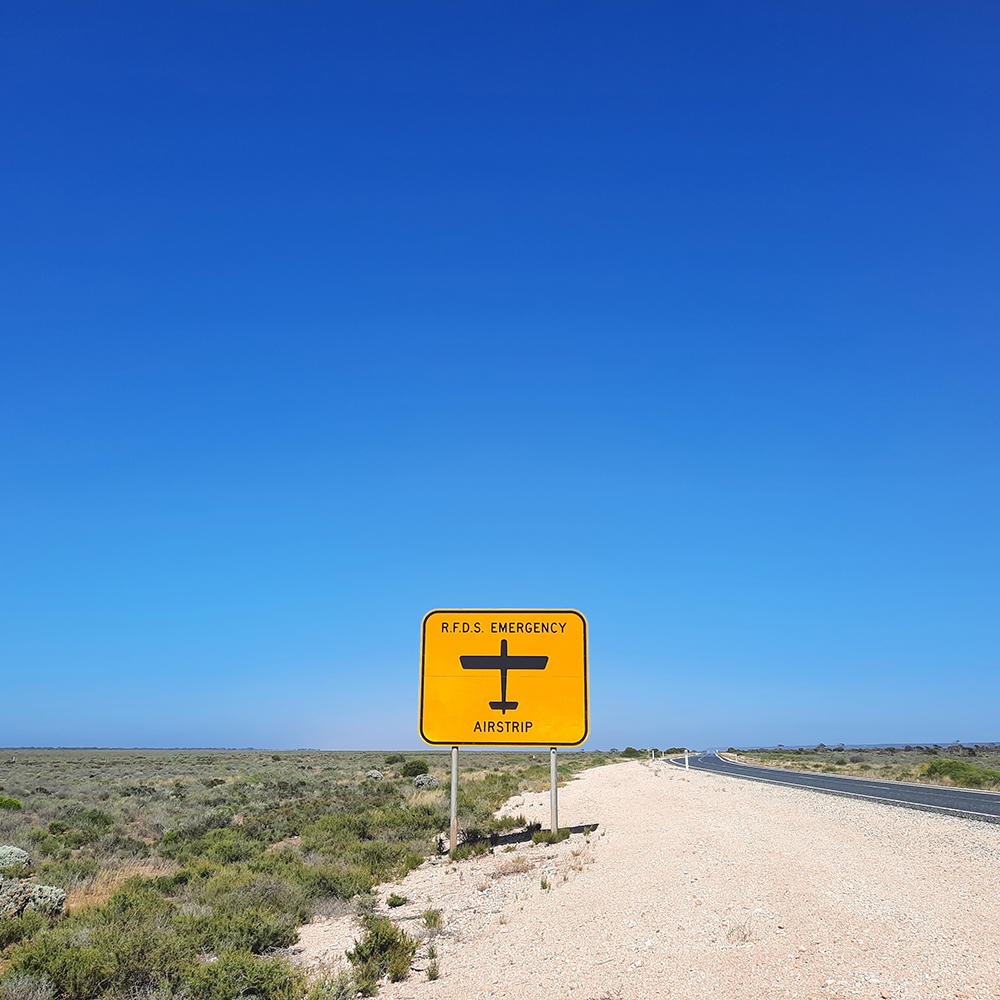
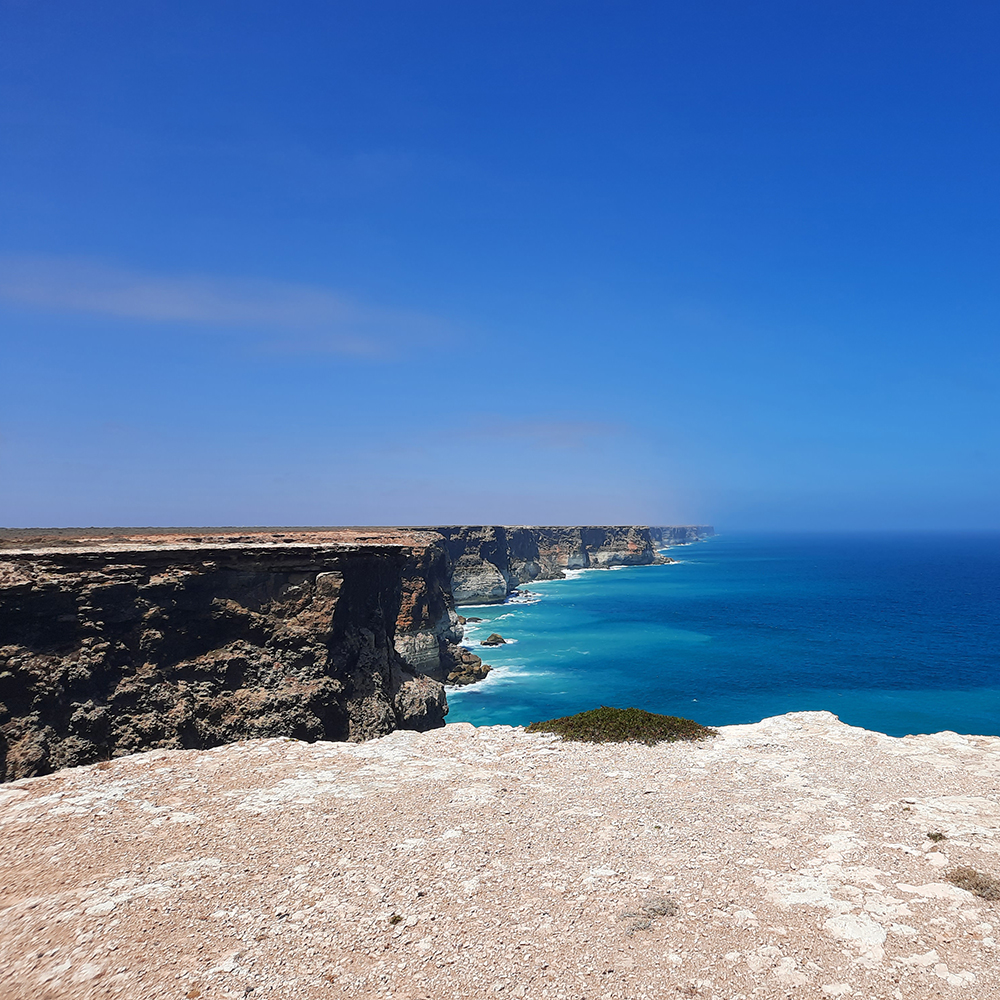
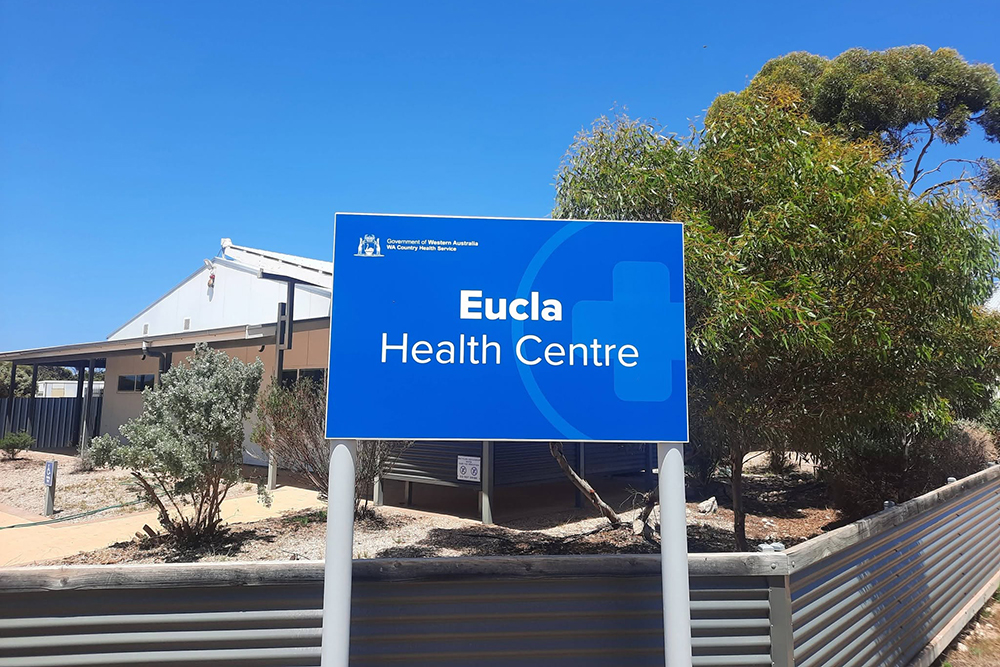
Eucla itself is isolated, but not inactive. Supplies arrive from Esperance at intervals, electricity relies on local generation and water is produced locally. The clinic is modern and central to community life.
Continuity of care occurs naturally in a small population and trust develops quickly. Professional boundaries remain clear, yet familiarity strengthens care rather than complicates it.
What makes Eucla different is the intensity of full-scope practice. Without immediate diagnostics or nearby escalation, nursing assessments must be structured and deliberate. History taking becomes detailed, examination systematic and observations interpreted rather than simply recorded.
Formulating a differential diagnosis is not theoretical. It determines whether a patient remains local, requires retrieval or can be safely observed. Documenting a working diagnosis matters because escalation decisions may occur hours after the initial consultation.
Emergency care highlights the collaborative nature of remote work. Preparing for retrieval often involves working alongside police and country fire services, particularly at night.
Airstrips require lighting and assessment, hazards need checking and patient stabilisation continues while coordination unfolds. Remote nursing may feel autonomous, but it is deeply interdependent. Local knowledge quickly proves invaluable. I learned this after confidently driving onto soft beach sand and promptly getting bogged, an outcome widely predicted by the community. Assistance arrived quickly, along with good-natured commentary, reinforcing that humility integrates faster than orientation.
What made Eucla special was not the remoteness itself, but the clarity it brought. Full-scope practice here is both privilege and responsibility. Comprehensive assessment, structured reasoning and collaborative retrieval processes sharpen practice in ways metropolitan environments rarely demand.
For nurses considering working in a place like Eucla, the encouragement is simple. Prepare thoroughly. Respect the systems that support you. Remain curious. The professional growth is significant, not because the work is dramatic, but because it is accountable. Remote nursing in Eucla is not about doing more. It is about doing what matters well, in a place where distance amplifies responsibility and community connection gives the work meaning.