Hepatitis SA’s latest outreach to regional communities, with a two-pronged approach that recognises that blood borne virus (BBV) prevention and harm reduction are intertwined, has been a huge success.
Hepatitis SA – South Australia’s hepatitis peak body – has developed a training package for its regional workforce, together with an intervention strategy for clients delivered by staff from Adelaide with lived/living experience of both hepatitis C and drug use.
The training package is in response to requests from regional service providers for workforce development in harm reduction to support regional staff to engage with the drug-using community. Topics include how to overcome barriers to engagement, harm reduction in practice to prevent BBV transmission, and improving health outcomes for people who use/inject drugs.
To ensure the community intervention component was appropriate, peer workers from Hepatitis SA liaised with local service providers to gain an understanding of issues specific to people who use/inject drugs in those regions.
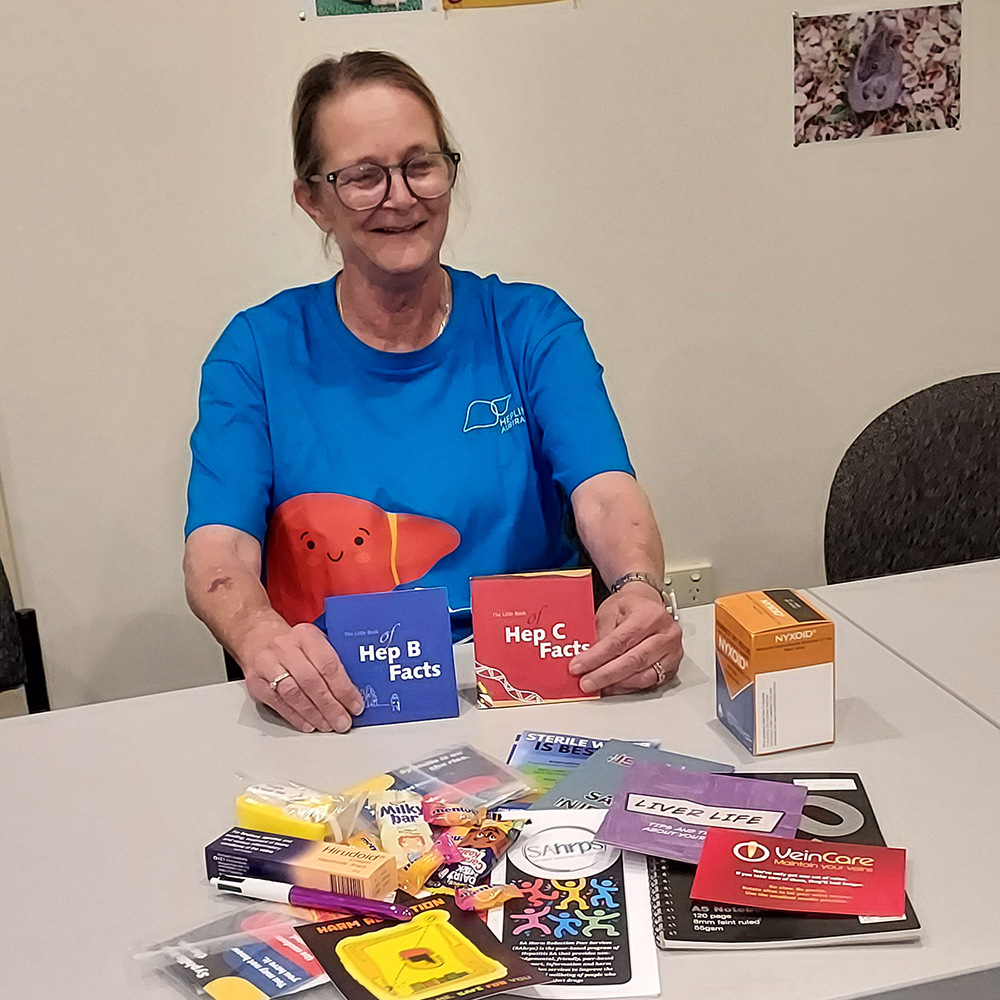
And to increase community engagement, unique ‘goody bags’ of resources and treats were handed out.
These goody bags included BBV prevention resources, harm reduction information and drug use paraphernalia such as tourniquets to support single-person ownership and reduce the transmission risk arising from sharing.
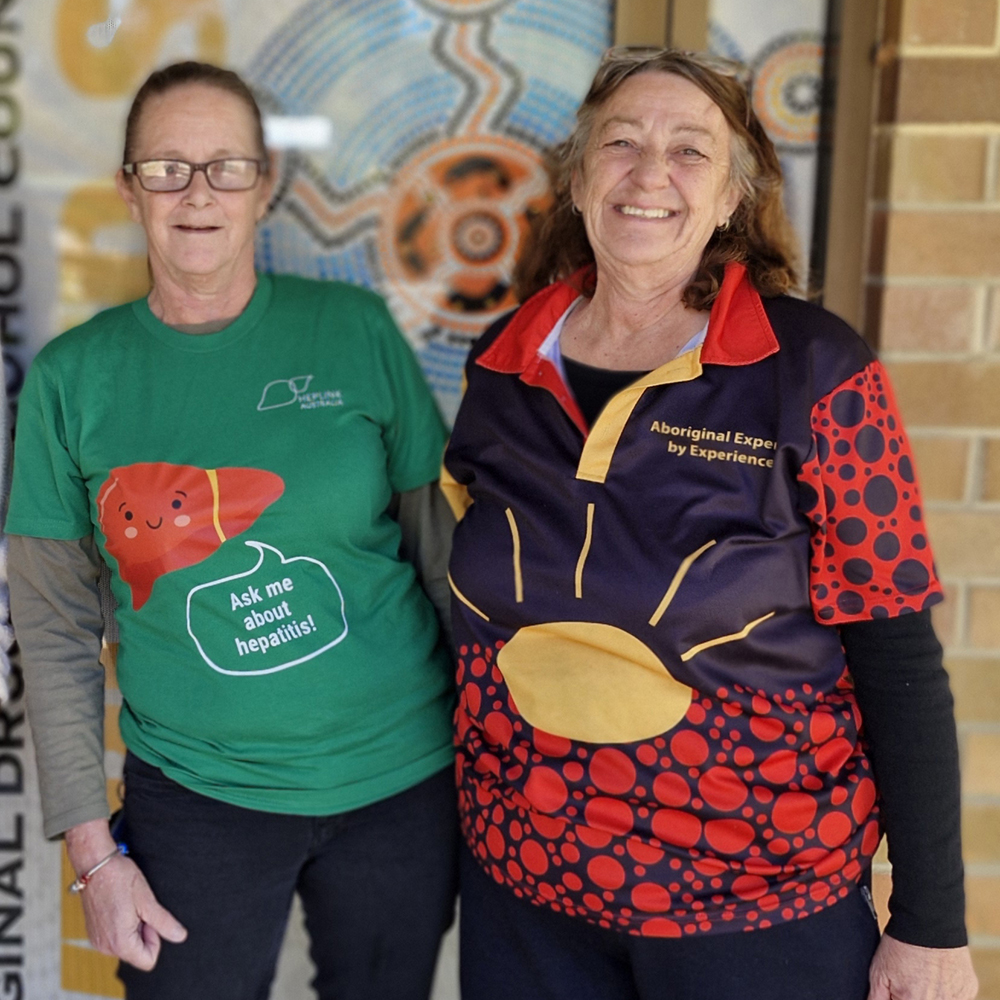
Workshops and community interventions were initially delivered at Murray Bridge, Port Lincoln, Port Pirie, Berri, Mount Gambier and Port Augusta. At Port Augusta, point-of-care hepatitis C testing done by a peer worker was also offered at the Aboriginal Drug and Alcohol Council’s Stepping Stone service.
These SA workshops, put together by SAhrps, Hepatitis SA’s peer-run harm reduction program, were funded by the federal government, delivered to state and territories via Hepatitis Australia’s HepLink program.
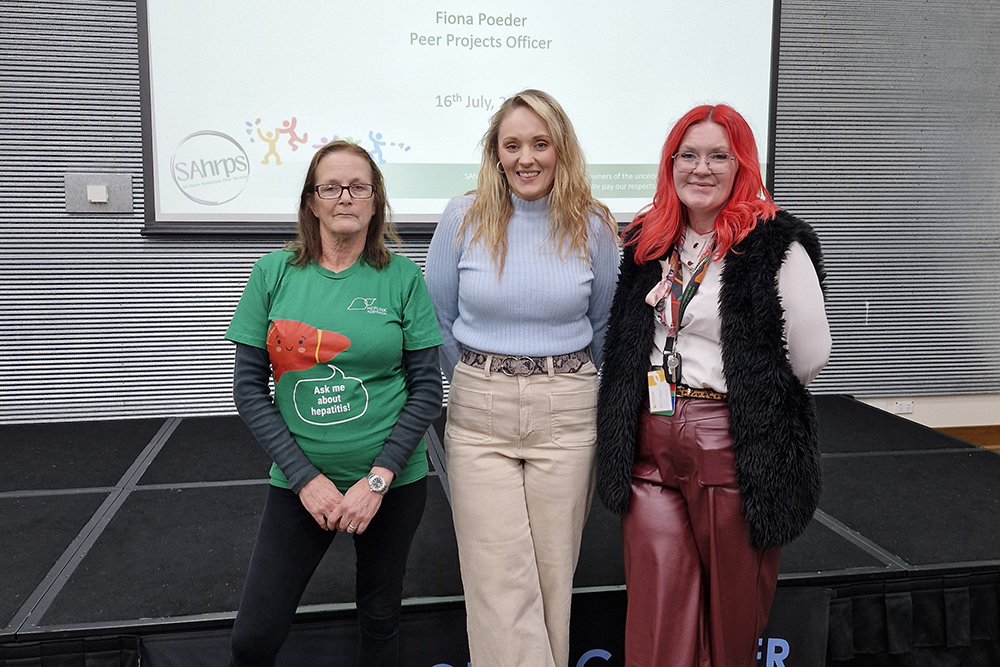
SAhrps Project Officer, Fiona Poeder, says, “We did this outreach to regional communities because services are limited or non-existent in some areas and, just as we hoped, it was very popular.
“We had local service providers telling us they found the shared personal experiences valuable and informative.
“They also said they would send more staff to register for these workshops if we were to run them again … and so Hepatitis SA’s outreach team returned to Mount Gambier in April.
“We ran clinics over two days as part of the Burnet Institute’s national ‘It’s Your Right’ campaign to increase hepatitis C testing and treatment among people who inject drugs. We not only spoke with needle-and-syringe program clients about harm reduction, but also provided on-the-spot hepatitis C testing for those who were at-risk.
“Both days were fully booked out – testament to the need for these outreach services.”
Speaking on ABC South East SA radio, Hepatitis SA’s hepatitis C testing coordinator, Lisa Carter, said, “The thing about rural areas like Mount Gambier is that it’s good when workers like us come in to address an issue like this, because confidentiality is often a problem in rural areas … people want to get tested but don’t want to run into their auntie at the local doctors … so it good that people can come here and have anonymity.”
Lisa also highlighted the advantages of rapid testing where people can get an almost painless finger prick test, go have a coffee and return for their results.
Asked about the importance of offering an inviting, safe space for people who come for this kind of support, Fiona said, “All of us are peer workers, which means we’re non-judgmental. We have the lived experience. We make it as comfortable as possible and support people in other ways, not just around hep C but any other harm we can reduce, so it’s safer and healthier for them.
“We want to keep people alive and healthy.”