Queensland’s rural and remote communities depend on a nursing and midwifery workforce that can adapt quickly, travel widely and keep equity at the centre of care. In 2024, Queensland Health took a significant step towards strengthening that workforce, approving its first agency-style nursing and midwifery model designed specifically for remote and very remote communities. Now known as Rural and Remote Connect, the program is helping connect experienced clinicians with the places where they are needed most. Here, Christine McIntosh, Nursing Director at Queensland Health, highlights the difference Rural and Remote Connect is making in its early stages.
Rural and Remote Connect was created as an internal nursing and midwifery agency, bringing experienced clinicians into remote services in a way that is new in scale and complexity for Queensland Health.
To help attract highly skilled nurses and midwives from across Australia, an above-Award hourly rate was negotiated for remote sites, supporting the program to compete nationally for the workforce it needs.
Recruitment began in March 2025, with roles including registered nurses, clinical nurses and clinical nurse consultants. By June 2025, midwives had also joined the program, further expanding the skills and support available to rural and remote services.
More than 209 nurses and midwives from every state and territory have now joined Rural and Remote Connect. Together, they bring experience across rural generalist nursing, ICU, renal, perioperative, mental health and other specialty areas.
Building on this early success, Rural and Remote Connect is now recruiting directors of nursing to support multi-purpose health services and primary care clinics, many of which operate as one- or two-nurse posts. This growing mix of skills is helping meet the complex needs of remote communities.
A new way to support remote services
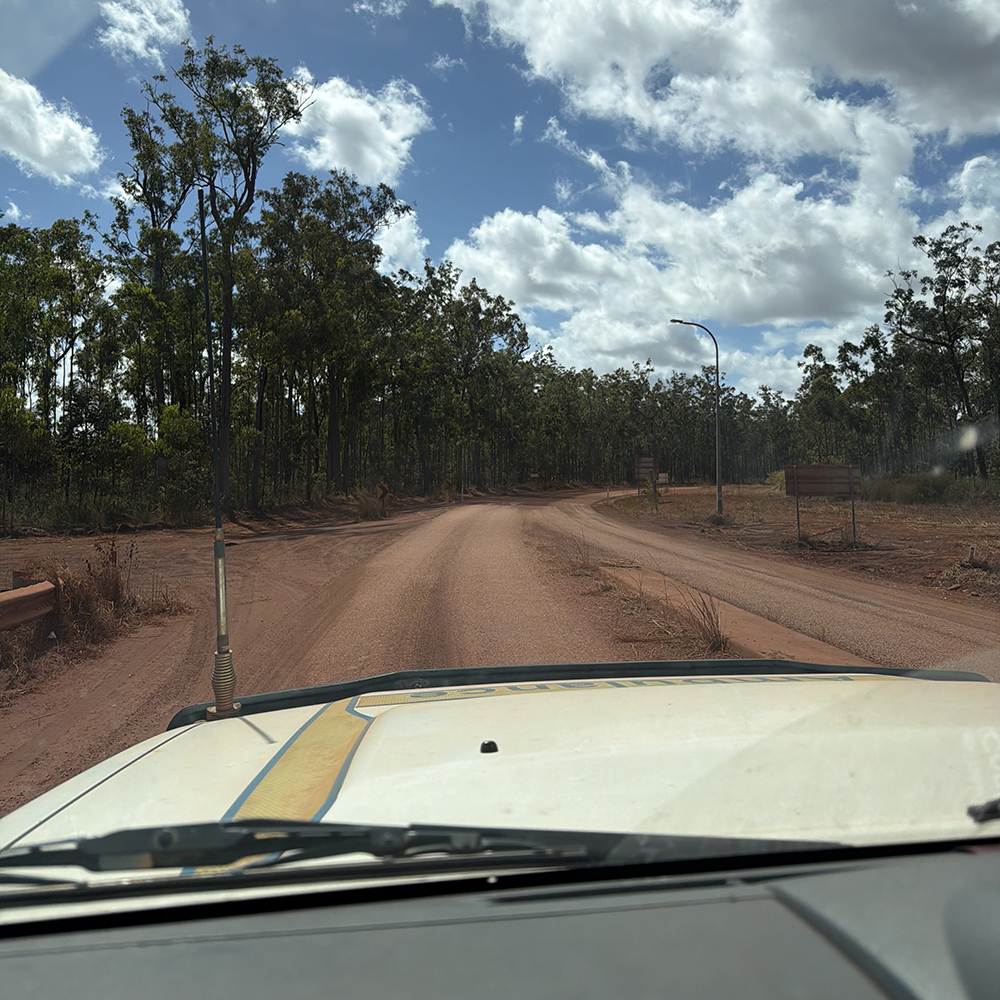
By August 2025, the first Rural and Remote Connect clinicians were being deployed across nine remote-classified hospital and health services. Since then, the numbers tell a powerful story: the program has filled 251 contracts and covered more than 4,500 shifts, supporting countless patients in communities where continuity of care can be life-changing.
The impact is already evident. Remote facilities report improved stability, enhanced clinical capability, and a renewed sense of confidence among local teams.
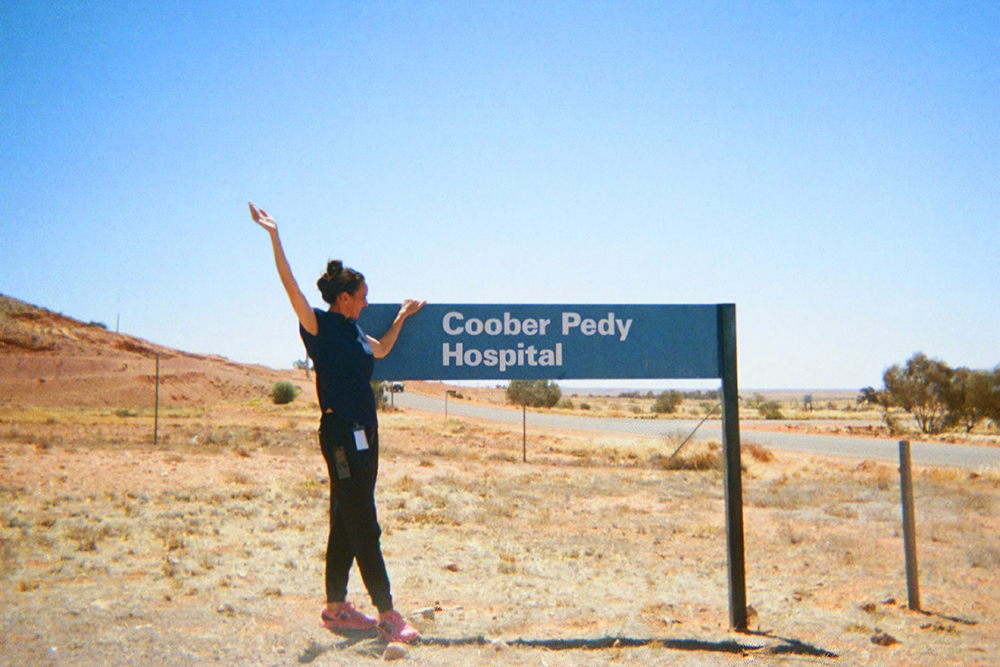
Among the many clinicians answering the call is Eleisha, whose journey reflects the spirit of Rural and Remote Connect. She has completed four contracts from MPHS to PHCC. Eleisha’s adaptability and skills have made her an invaluable contributor to each site she has supported.
Her story is one of many demonstrating how this initiative is not only filling workforce gaps but also enriching the professional lives of the clinicians involved.
Rural and Remote Connect continues to grow, driven by a shared purpose: ensuring Queensland’s most isolated communities receive the safe, high-quality care they deserve. The early success of the program highlights what is possible when innovation, investment, and clinical excellence come together. The momentum is unmistakable – and so is the impact.