Remote area nursing gave Nikki Naish and her family an unforgettable adventure, but it also taught her an important lesson. While her three young children flourished in remote Australia, embraced by community and immersed in a completely different way of life, Nikki discovered just how vital preparation is for remote area nurses. It’s a lesson she now shares as a volunteer CRANAplus course facilitator.
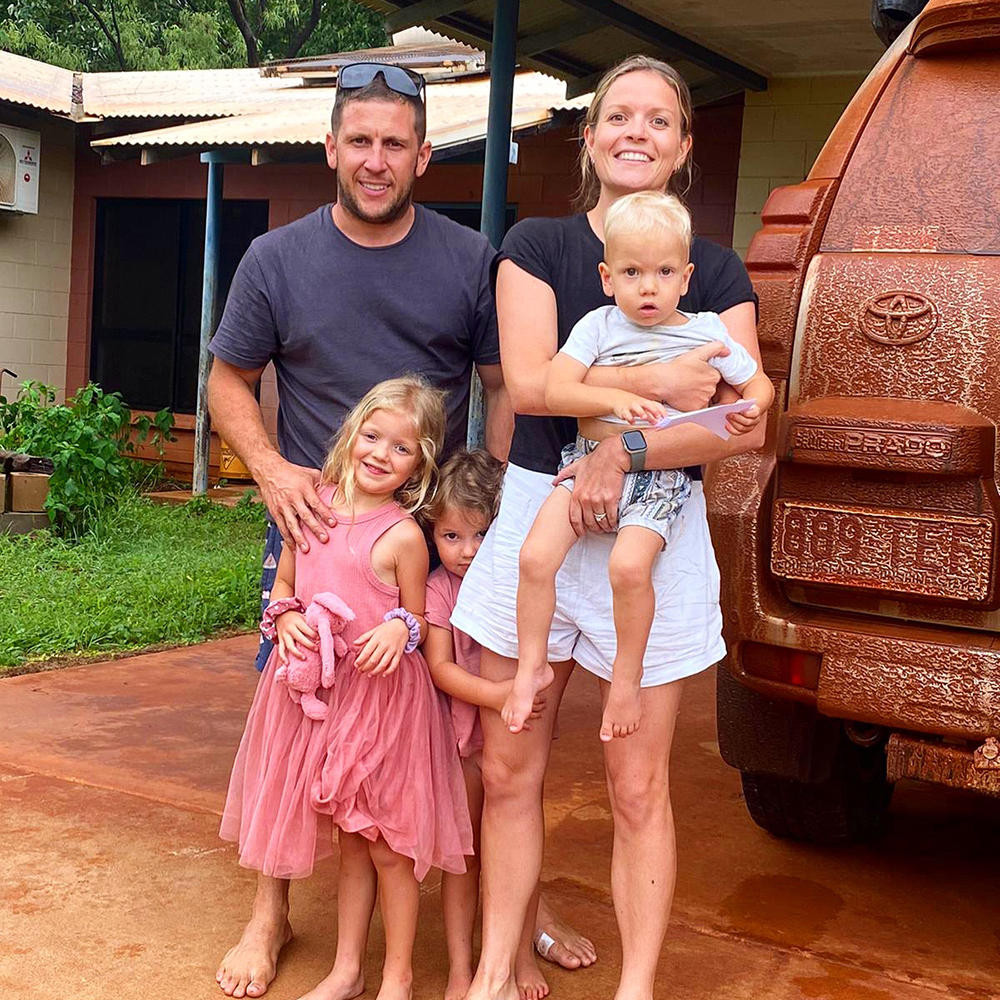
Nikki Naish has three children aged four, six, and eight, and says that taking her family remote was one of the best experiences they’ve shared. She worked as a remote area nurse in East Arnhem Land, while her husband was employed by the same company as a jack of all trades – maintenance, driver, security.
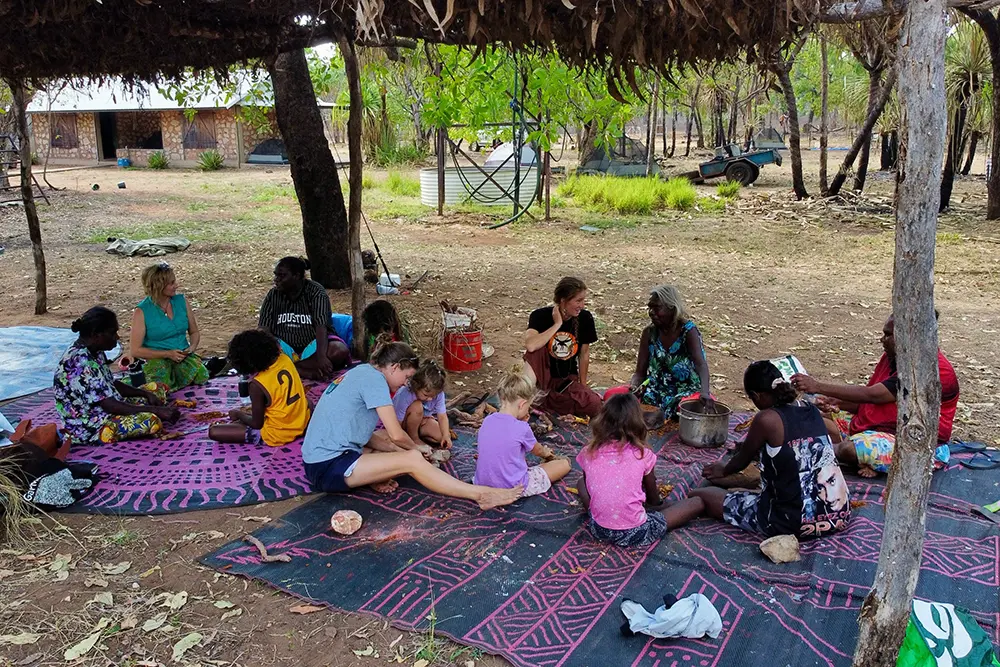
“My kids were all born and raised on the Gold Coast, so were used to the beach and lifestyle, and then we went full bush – nothing within 400km, full red dirt – and it was just the most amazing experience,” she says.
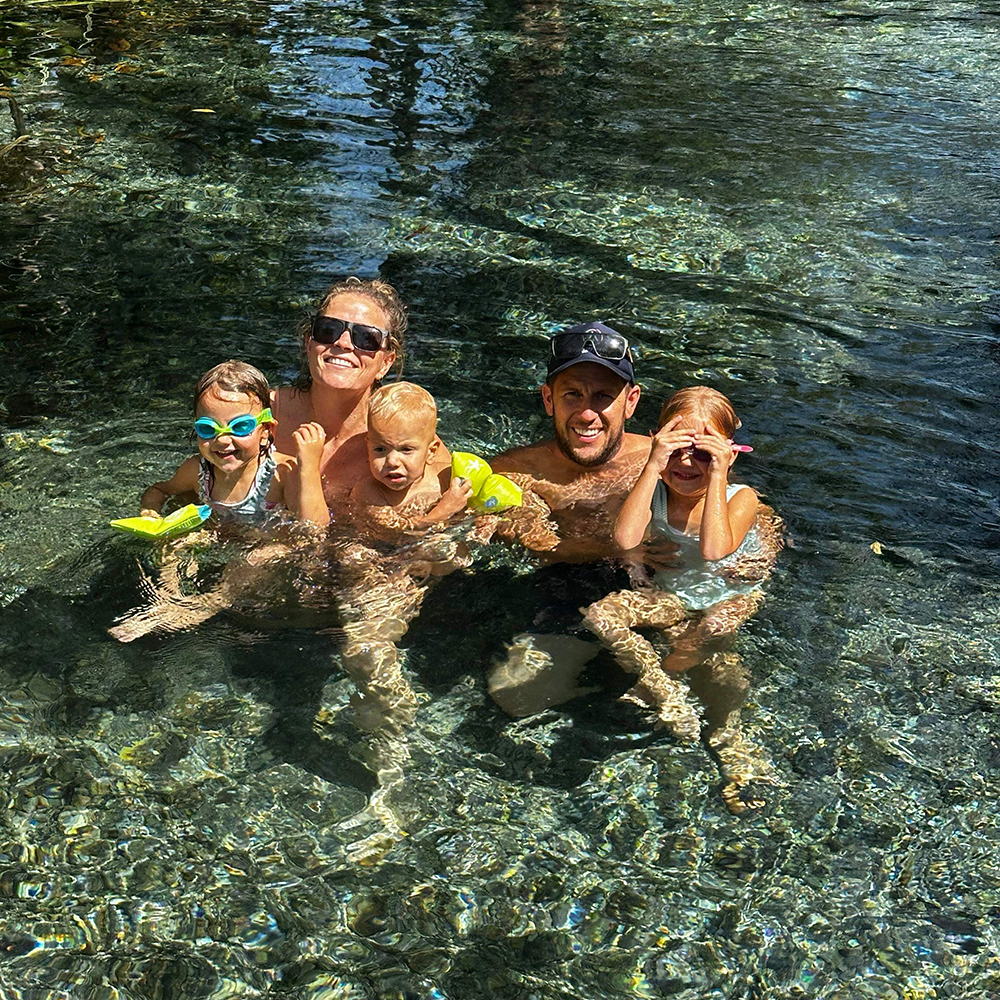
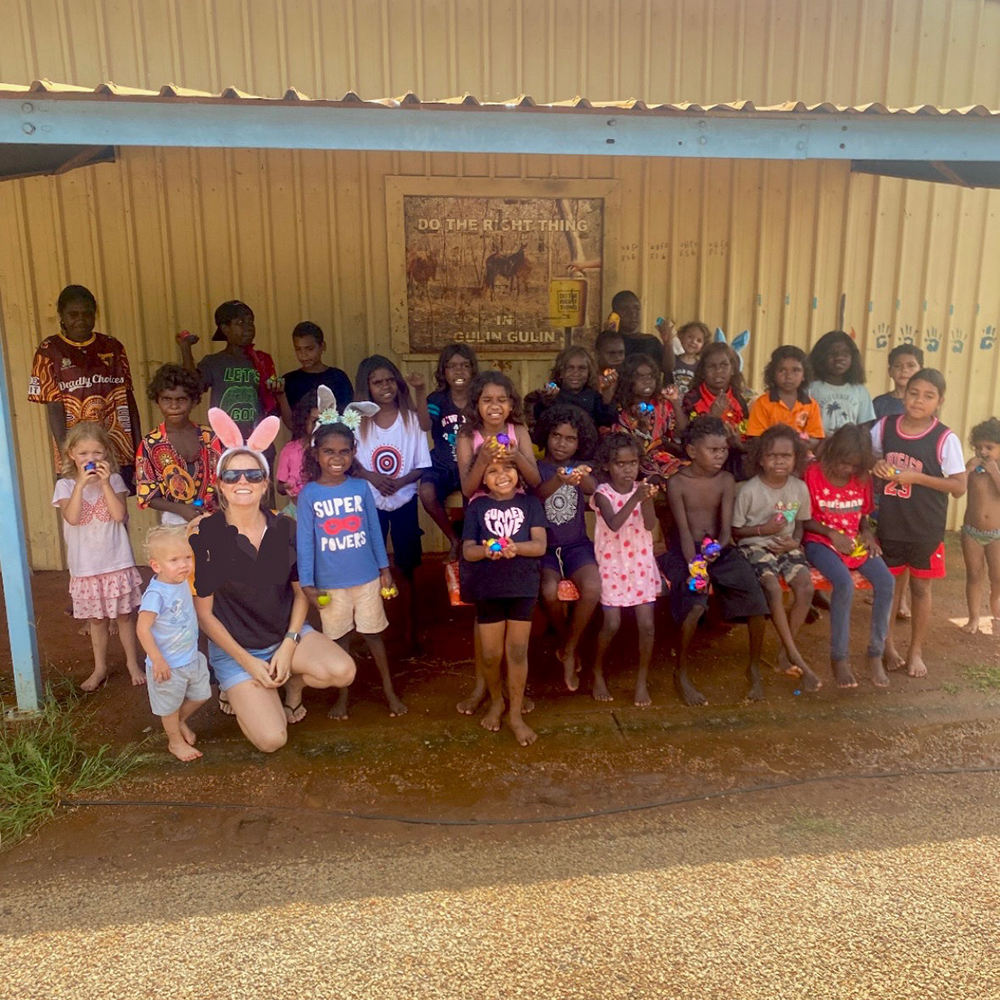
“They fully embraced the bush life. They got super involved. The community that we were in was amazing. It was really supportive and welcoming and they had really amazing bush programs where the Elders were involved, and they welcomed my kids and my family straight into it.
“I feel really privileged because I know that a lot of people don’t get to experience what we did. It’s something that even to this day, my four-year-old, who was 18 months at the time, looks at photos and he’s like, ‘I remember that,’ or he’ll talk about the boys he played with in play group, and it’s really special.”
“And my kids got to see what I do firsthand. There were some times that my husband and I were both on call and the kids had to come with us to do an airport run or to go chase a buffalo off the airstrip or something. Just getting them involved was really cool for them.”
It was an experience Nikki would recommend to anyone considering rural or remote nursing. But looking back, she can also see how unprepared she was when she first arrived – a lesson that has since shaped her commitment to supporting other nurses entering rural and remote practice.
Prior to this role, Nikki had stepped away from hospital-based nursing and landed in a telehealth triage position for remote communities. It opened her eyes to the world of remote area nursing that she had never known existed. She asked her employer what she would need to do to work remote herself, and just two weeks later was relocating her family to East Arnhem Land for this role.
“I spent 12 months full-time as a remote area nurse in this nurse-led clinic with two other nurses and that’s when I did all my upskilling – all of my CRANA courses,” Nikki says.
She says CRANAplus courses, focused on rural and remote realities, really resonated with her at this time.
“As a new remote area nurse, I didn’t realise how unsafe it was for me to be in the community until I had done the courses. I was like, ‘Oh my God, I really should have done this before I came out.’
“So then I was really advocating for the agency nurses, because we always had agency nurses, to make sure that they had all of these certificates as well.”
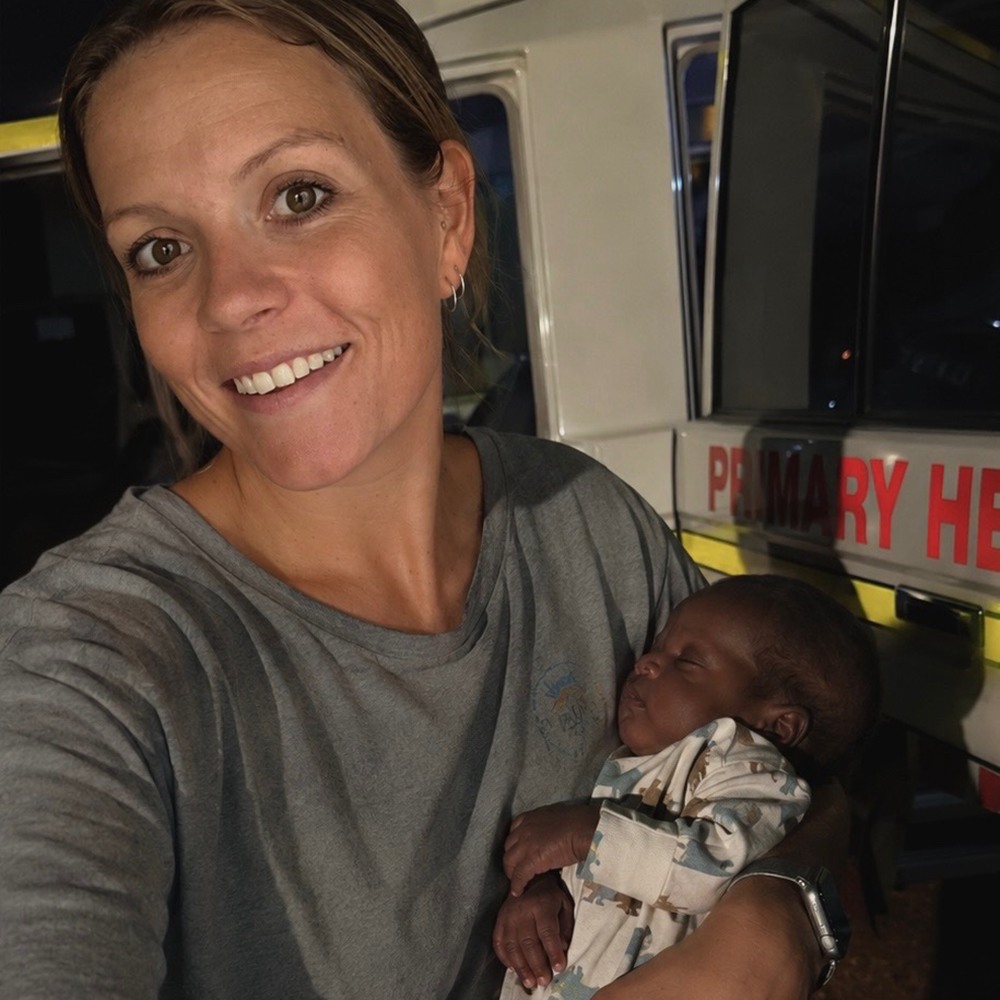
This passion for education leads wonderfully into Nikki’s role now as a volunteer facilitator on CRANAplus courses.
Being new to remote is still fresh in her mind, and she knows how easy it can be to be naive about the realities of rural and remote work, which helps her connect with participants.
“I think anyone can just think that they can go remote and be a bum on a seat and learn as you go, but once you’re out there … when it’s only you and potentially one or two other nurses, you need to [have the knowledge and skills to be a RAN].
“I think that’s something that, especially as a new grad, you don’t know.
“Usually I’m doing courses with Leanne or Kathy [Remote Clinical Educators] who’ve got more years of experience between them than I’ve been alive. I’m quite new to remote, so I like being the new one because I feel like I relate to a lot of the participants who are either new to remote or looking to go remote.
“I feel like I can share my experience and stories and be a good resource for those people.”
It’s the role Nikki once needed herself, and one she’s now proud to play for the next generation of rural and remote nurses.