Working in healthcare in rural and remote Australia often asks unexpected things of ordinary people. Whether you are a nurse, doctor, Aboriginal and/or Torres Strait Islander Health Worker, allied health professional, administrator, cleaner, manager or volunteer you are generally part of a team that regularly goes above and beyond for your community.
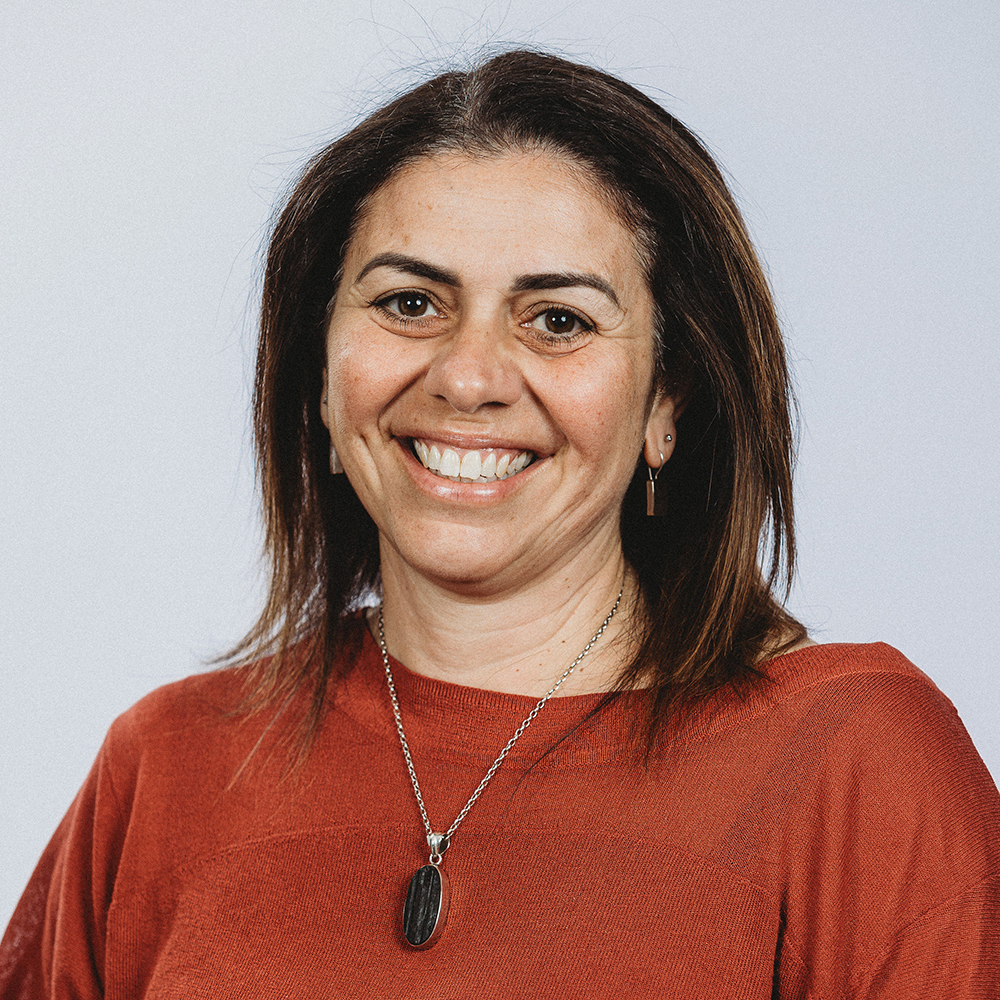
We generally expect to be busy, to have a lot asked of us, and to feel emotionally exhausted. But sometimes what we bring home after our day is not just stress. Sometimes it is the dilemma of not being able to do what we know is right. This is known as moral injury, writes MC Mandile, Senior Psychologist, Bush Support Line.
Moral injury is different from burnout. Burnout develops when there is prolonged workplace stress, whereas moral injury occurs when we are prevented from acting in ways that align with our values, or when we witness situations that challenge our sense of what is right. In rural and remote healthcare, this might mean limited resources, delays in care, workforce shortages, racism, or watching patients wait far too long for the care they need.
The hardest part of moral injury is that it often hides in plain sight.
A lot of people show up every day doing great work, while their self-talk says things like, “I should have done more,” or “I should have said something.” When we talk to ourselves like this for long periods, it can start eating away at our confidence, connection, and the meaning we find in what we do.
Moral injury can also be a sign that your values remain intact. You feel distress precisely because you still care. This doesn’t make the experience any more comfortable, but it can be reframed as a sign of integrity, rather than failure.
One of the most helpful ways to protect ourselves is through connection. Talking about what is going on with trusted colleagues, supervisors or mentors, or the Bush Support Line can help us make sense of difficult experiences without having to carry them alone. Naming moral injury and calling it out for what it is can also reduce shame and remind others that things are not ok; the system may be challenged, not us.
At CRANAplus, we know that rural and remote health professionals deserve practical, evidence-informed support, and that is why we have developed a new tipsheet on moral injury. This resource contains more information on moral injury, some signs to look out for, and what can help. To access the tipsheet and related Mindful Monday article, search for moral injury on the CRANAplus website or scan the QR codes. Take a moment to read these resources and start the conversations we all need to have, because caring for the carers is just as important as caring for our communities.
Sometimes the first step towards healing is working out what is going on and then knowing that you do not have to carry it alone. If this is where you are, please reach out and take that first step today.