CRANAplus Chief Remote Area Nurse Heather Keighley shares insights into initiatives helping to grow, support and recognise the remote nursing and midwifery workforce, from leadership development and advocacy to stronger education pathways.
This year’s CRANAplus Conference, launched fittingly on International Nurses Day, brought together leading thinkers in contemporary health leadership. Keynote speakers Professors Odette Best and Jill Klein challenged us to confront two leadership issues that remote clinicians navigate every day: the harmful realities of racism in health settings and the self-doubt that can surface when mistakes occur.
Their insights reinforced why leadership remains a central priority for CRANAplus.
For remote and rural nurses and midwives, leadership development is not a luxury; it is a necessity. We recognise a clear gap in support and professional growth opportunities for clinicians working in these specialised settings, and we are working to address it through leadership education and training programs, as well as targeted scholarship opportunities such as the CARPA Remote Health Leadership, Management and WHS Scholarship.
At CRANAplus, we believe strengthening leadership capacity across the remote workforce is central to ensuring safe, sustainable and culturally responsive care.
Showcasing rural and remote excellence in Parliament
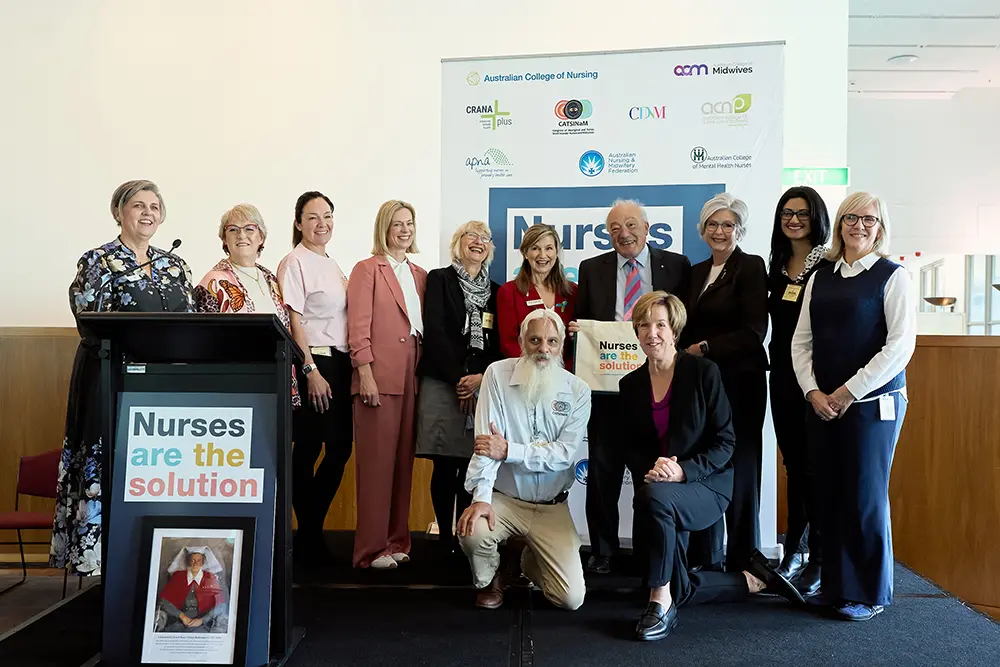
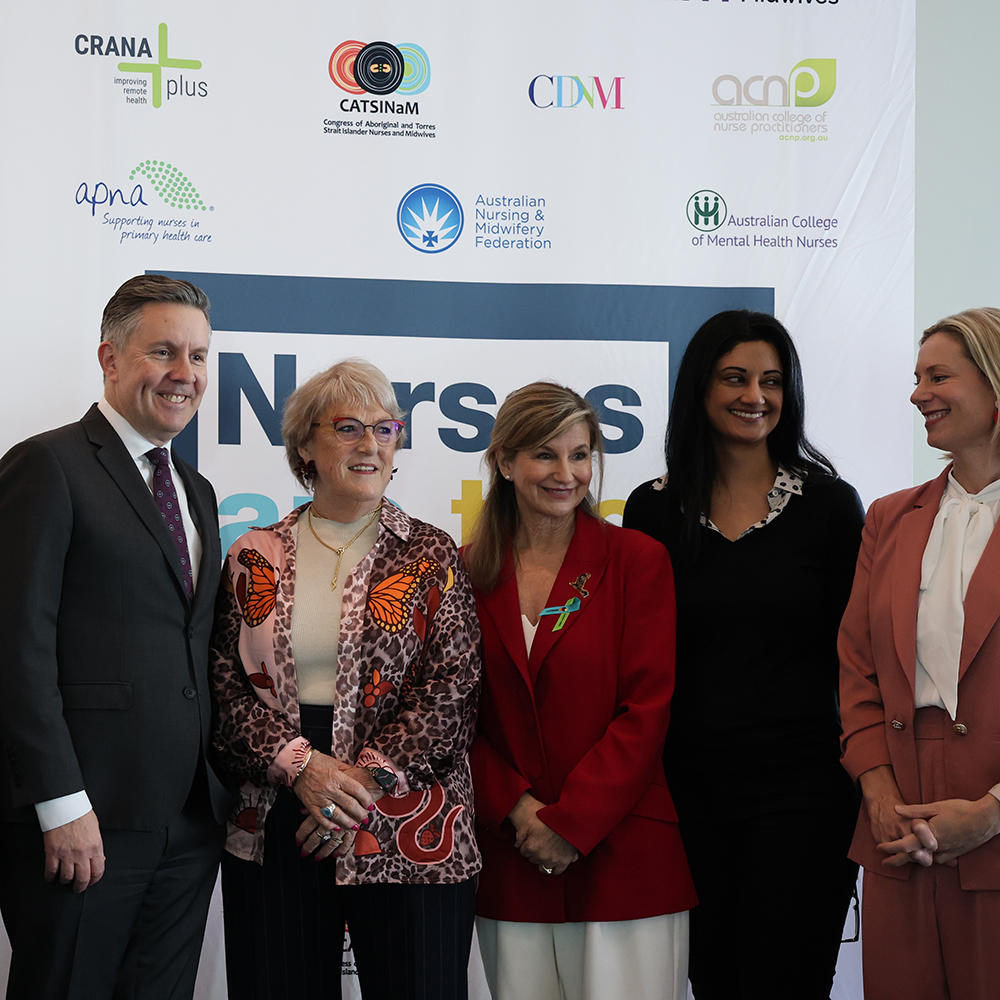
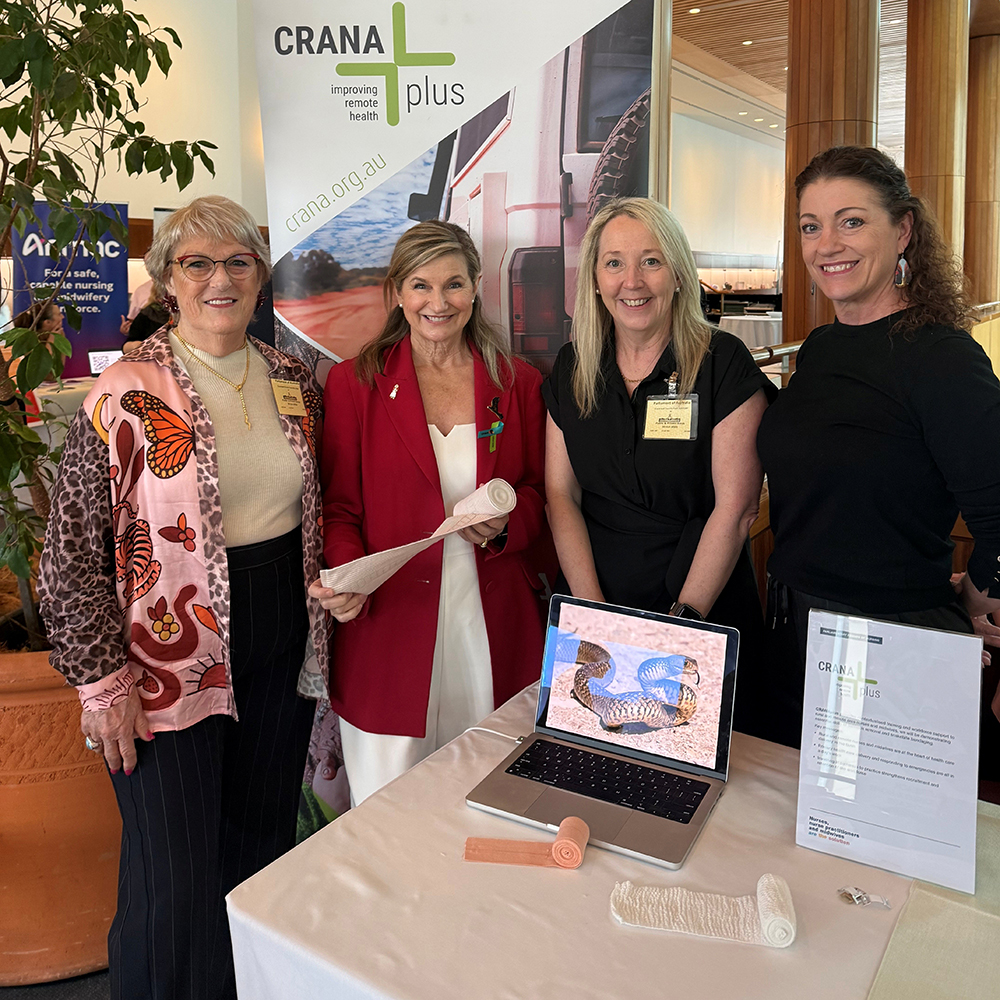
The Parliamentary Friends of Nursing event in Canberra at the end of June offered a powerful display of how nurses and midwives are reshaping care delivery across Australia. Federal ministers and parliamentarians saw firsthand the impact of nurses and midwives working to their full scope of practice across wound care, immunisation, ear health services, nurse practitioner-led care, endorsed midwifery models, primary care and remote health services.
It was particularly inspiring to see another nurse elected to Parliament in Western Australia: Trish Cook, the Federal Member for Bullwinkel, a rural and remote nurse and one of our three Parliamentary Friends.
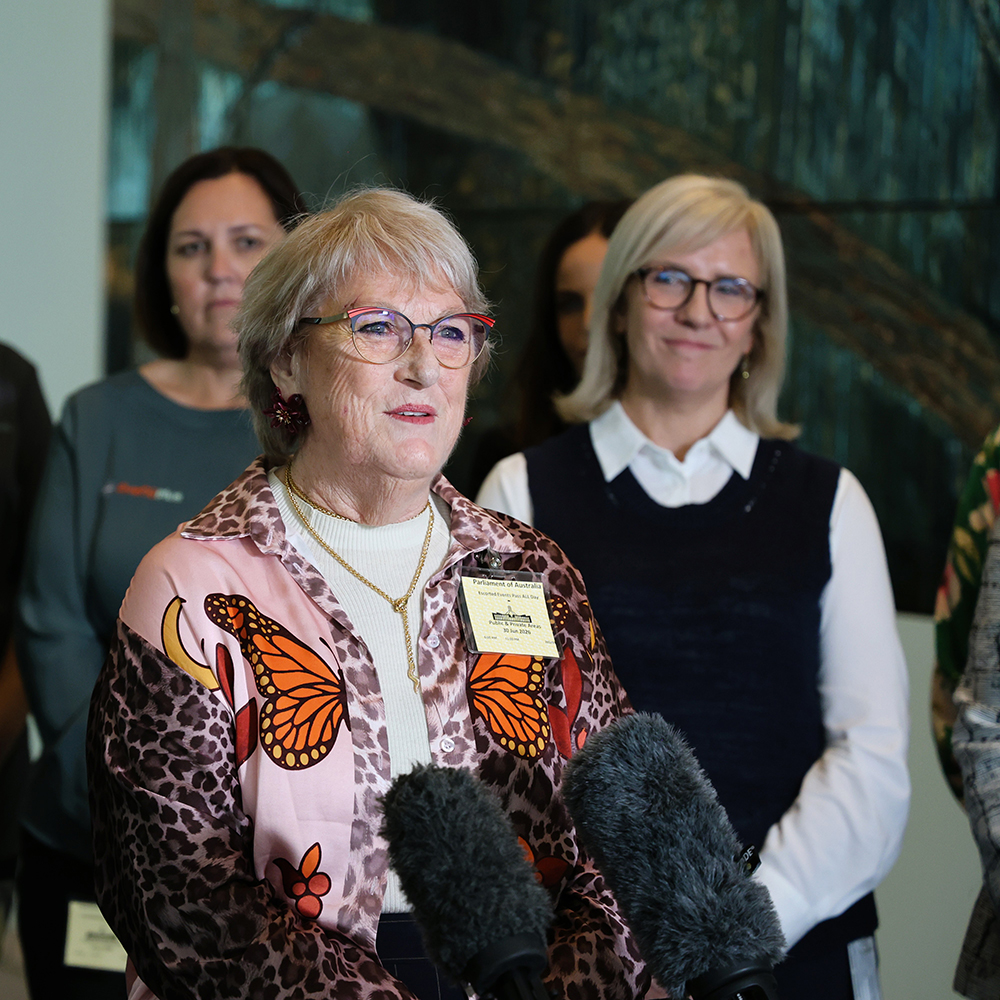
Our host, Dr Helen Haines, Independent Federal Member for Indi, proudly highlighted her own nursing and midwifery background and emphasised the importance of continuity- of-care midwifery models.
Dr Haines also convened the Parliamentary Friends of Maternal Health the following day, where migrant women shared their experiences of maternity care in Australia.
These stories underscored the universal need for culturally safe maternity care, an issue felt acutely in remote communities where access, continuity, and cultural responsiveness are often stretched.
Our third Parliamentary Friend, Dr Anne Webster, Federal Member for Mallee, continues to be a strong advocate for rural and remote health, and for nursing and midwifery. Her support remains invaluable as we work collectively to elevate the voices of clinicians serving Australia’s most isolated regions.
Expanding education pathways for remote nurses and midwives
CRANAplus is strengthening university partnerships to create clearer, supported pathways into advanced education for rural and remote clinicians. These pathways reduce barriers for clinicians seeking postgraduate qualifications while recognising the advanced skills already gained through remote practice.
We have formal agreements with La Trobe University Rural Health School and the University of Southern Queensland, and early discussions are underway with Charles Darwin University, whose footprint spans multiple states and territories.
These collaborations will allow CRANAplus courses to be recognised toward Graduate Certificate qualifications, with up to one unit of study credited for eligible CRANAplus course completion within the past five years.
Our long-term goal is ambitious but essential: for every nurse and midwife practising in rural and remote settings to hold a relevant Graduate Certificate. This level of preparation is critical to improving health outcomes in communities that consistently lag metropolitan areas across key health indicators.
Enhanced qualifications also support workforce retention by recognising the complexity and expertise inherent in remote practice.
Strengthening national alignment and advocacy
CRANAplus remains committed to working closely with national peak bodies in nursing and midwifery to strengthen advocacy and ensure rural and remote practice is visible, valued and supported. All partnered programs align with the National Rural and Remote Nursing Generalist Framework, our hallmark guide for safe, high-quality practice in remote settings. This alignment is helping build a unified voice for remote nursing and midwifery, one that is increasingly influencing policy and investment.
As we look ahead, I feel genuine optimism. Through collaboration, strong leadership, and expanded education pathways, rural and remote nurses and midwives are gaining the recognition and support they deserve.
Together, we are shaping a future where remote nurses and midwives are recognised not only for their resilience, but for their leadership, expertise, and essential role in the health of rural and remote Australia. CRANAplus will continue championing this workforce and the communities they serve.