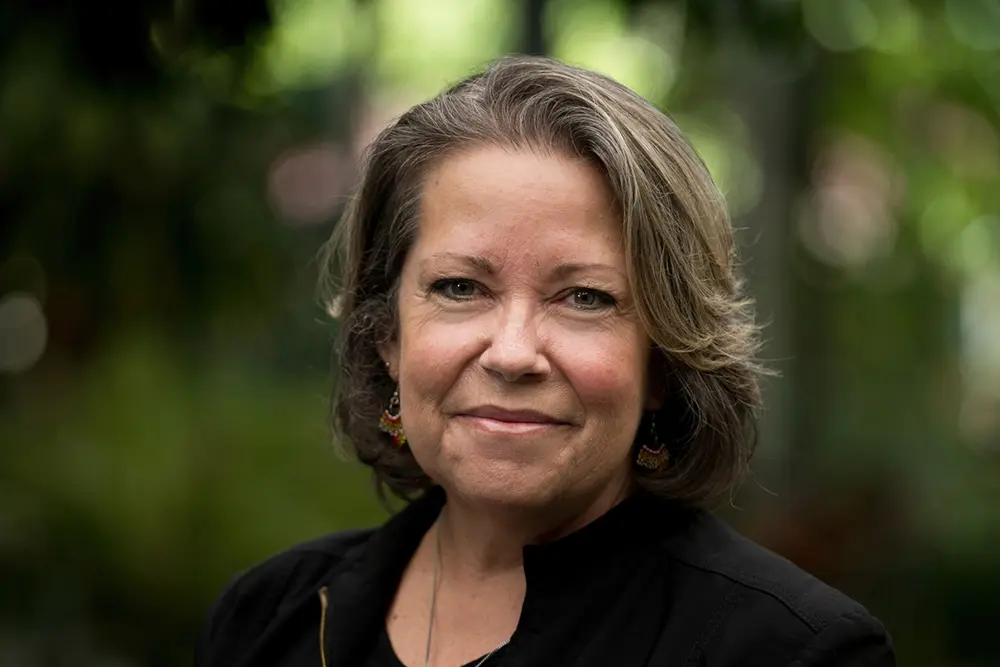
Professor Linda Deravin, Deputy National Rural Health Commissioner for Nursing and Midwifery, is a respected leader in Australia’s rural health landscape. Her career has been defined by a deep commitment to strengthening nursing and midwifery workforces in regional and remote communities, with a particular emphasis on creating sustainable, culturally safe pathways for First Nations clinicians.
Professor Deravin’s work spans policy, education, and workforce development, focusing on how career pathways, accessible training models, and targeted recruitment and retention strategies can expand opportunities for nurses and midwives across rural Australia. Her expertise and long-standing advocacy for equitable health access positions her as a powerful voice in shaping the future of rural nursing and midwifery. We invited her to share her reflections on the following questions.
How can we better leverage existing First Nations health worker and health practitioner roles as pathways into nursing and midwifery careers in rural and remote settings?
Leveraging existing First Nations health worker and practitioner roles as pathways into nursing and midwifery is a critical strategy for strength-ening the rural and remote health workforce. First Nations health workers and practitioners already form the cultural and relational back-bone of care in these settings, bringing deep community connections, cultural authority, and substantial clinical experience that position them as ideal candidates for transition into nursing and midwifery.
Yet this progression remains insufficiently supported and formalised. Recognising prior learning through structured bridging programs that grant credit for Certificate III/IV and practitioner qualifications can reduce duplication and shorten training time. Flexible, paid, community-based study models including paid study leave, backfill funding, and “earn while you learn” arrangements, are essential to enable participation without financial hardship. In my role as Deputy National Rural Health Commissioner, I am continuing to advocate for education for our future health workforce as close to home as possible.
We are also encouraging educators to consider alternative entry and exit pathways for nursing and midwifery to support a wide range of potential students in both the postgraduate and undergraduate space. Local and flexible education pathways will support our existing First Nations health workers and health practitioners to extend their qualifications.
What barriers currently prevent First Nations students in rural areas from accessing nursing and midwifery education, and what policy levers are available to address these?
First Nations students in rural and remote areas face a combination of financial, cultural, geographic, and digital barriers that limit access to nursing and midwifery education. High costs of travel, accommodation, relocation, and unpaid placements further deter students who often support extended family networks. Cultural and family responsibilities need to be recognised by mainstream institutions. The scarcity of First Nations academic staff contributes to this isolation however this is something where we can make a change through a commitment to improving Cultural Safety and eliminating racism in all forms both within the health sector and across education institutions.
What workplace Cultural Safety measures have demonstrated measurable impact on retention of First Nations nurses and midwives in rural health services, and how can these be scaled?
Workplace Cultural Safety measures that most strongly support the retention of First Nations nurses and midwives in rural health services are those that embed cultural respect and accountability into everyday practice. Approaches that should be considered include mandatory Cultural Safety training, clear anti racism protocols, culturally grounded mentoring by senior First Nations clinicians, and flexible leave arrangements that recognise cultural obligations such as Sorry Business.
Retention also improves when First Nations leadership is embedded in governance and decision-making. Scaling these measures requires long-term funding, that supports national Cultural Safety standards linked to accreditation.
The Office of the National Rural Health Commissioner contributed to the Second Edition of The National Consensus Framework for Rural Maternity Services. The framework provides a clear outline of best practice Cultural Safety measures in maternity care.
What innovative models of service delivery could redistribute workload and reduce burnout among nurses and midwives in under-resourced rural and remote areas?
Innovative service delivery models that reduce burnout among rural and remote nurses and midwives are those that distribute care across broader, more flexible teams and reduce the pressure on a small number of clinicians. Team based approaches that integrate First Nations health workers, nurse practitioners, midwives, paramedics, and allied health staff help share workload more evenly, while hub and spoke and outreach models allow specialist support without requiring constant on site presence. Continuity of care models, such as midwifery group practice, improve job satisfaction.
An expanded use of telehealth, remote monitoring, and virtual supervision decreases unnecessary travel and provides timely support for isolated clinicians.
Encouraging education for our health workforce as close to home as possible has the added benefit of creating a local professional network for staff in the area. Accessible professional development and support close to home have additional benefits for retention and can reduce burnout.
What systemic racism and structural barriers within rural health organisations most significantly impact the recruitment and retention of First Nations nurses and midwives, and what accountability mechanisms could drive change?
Systemic racism and structural barriers within health organisations most affect First Nations nurse and midwife recruitment and retention when discriminatory hiring practices, unchecked interpersonal racism, and the absence of First Nations leadership create workplaces that feel unsafe and culturally unsupported. Driving meaningful change requires strong accountability mechanisms, including transparent reporting and responses to racism, Cultural Safety standards tied to accreditation, independent First Nations oversight, and governance structures that embed First Nations leadership and decision-making authority.
How can funding models be restructured to support long-term investment in First Nations workforce development rather than short-term project-based initiatives?
Long-term investment in First Nations workforce development requires shifting funding models away from short-term, project-based cycles and moving them towards sustained, community-led approaches that allow workforce initiatives to grow over time.
This means embedding First Nations workforce development as a core, recurrent budget line rather than through competitive grant activity.
Multi-year funding agreements, tied to measurable workforce outcomes rather than short-term deliverables, would provide stability for programs such as mentoring, bridging pathways, and “earn while you learn” models.
Strengthening accountability through transparent reporting, co-governance with First Nations leaders, and national workforce targets can further ensure that investment remains focused on long-term growth rather than temporary short-term initiatives.