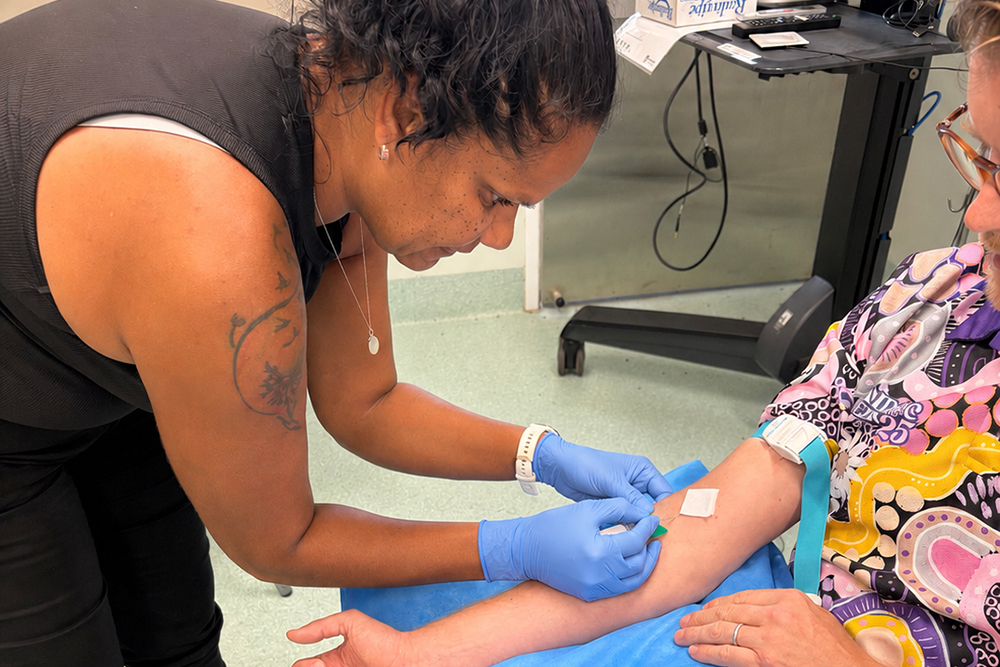
As a seasoned RAN and new CRANAplus facilitator, Clare Callaghan brings a lifetime of learning, teaching and bush experience to her work. She reflects on the importance of building strong community ties and staying supported in order to thrive in rural and remote practice.
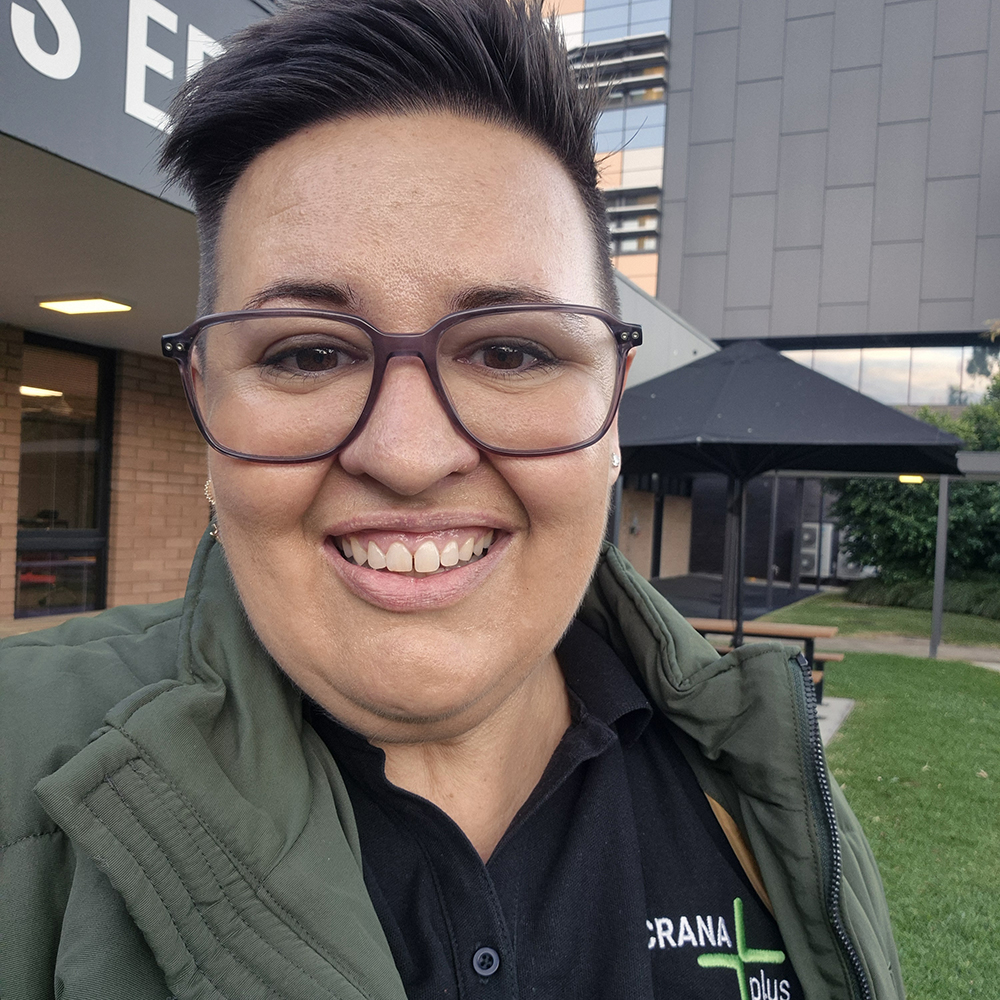
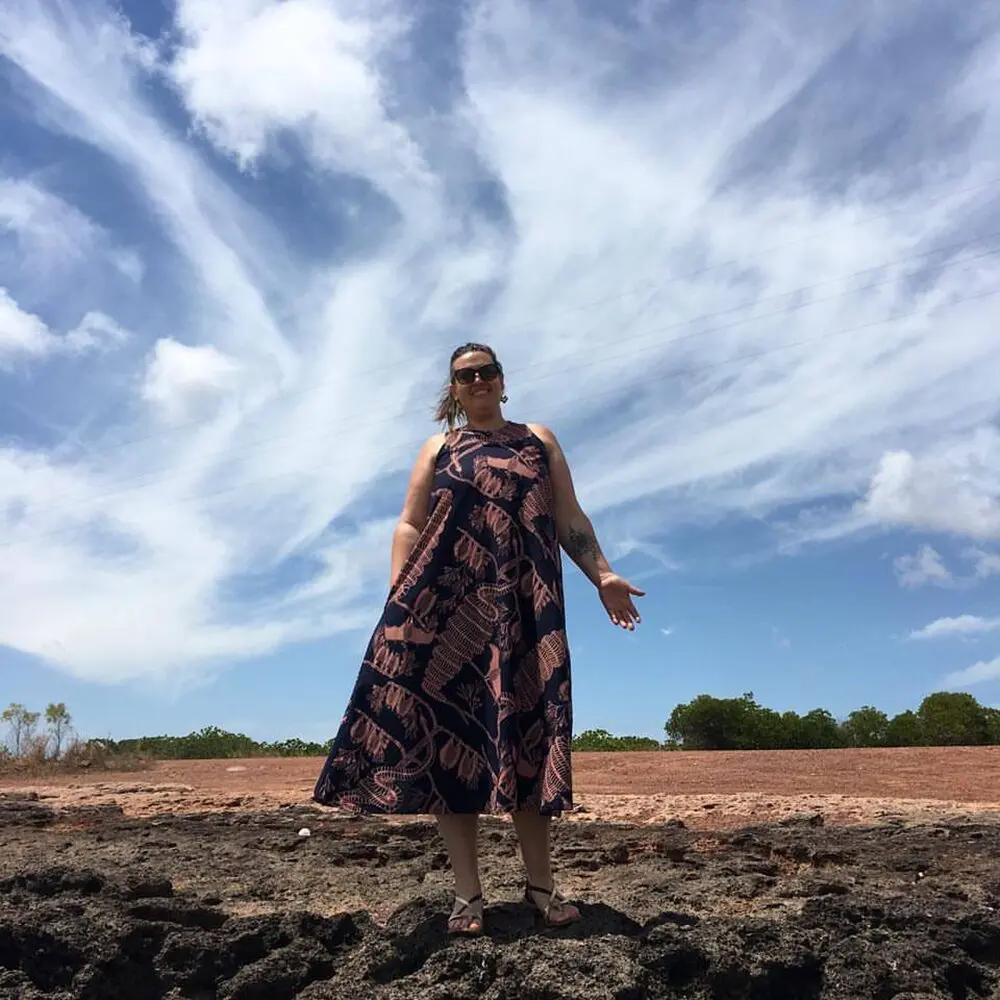
Currently working as an agency nurse, Clare’s career has taken her across some of Australia’s most remote regions, including Cape York, the Northern Territory’s Top End, East Arnhem Land and the Torres Strait. A child and family health nurse and RAN with a background in critical care, she’s passionate about primary health care, public health and bush nursing.
That breadth of experience, and the flexibility of agency work, has led her to take on a new role as a volunteer facilitator with CRANAplus.
“At the moment, I’m living out of a suitcase,” she says.
“That lifestyle is how I’ve come on board as a facilitator for CRANAplus, because I’ve got so much flexibility in between my contracts to do facilitating.”
Teaching feels like a natural extension of Clare’s journey. Raised by two educators, her dad a high school teacher and mum an early learning teacher, she grew up surrounded by learning.
“My mum and dad both have a really incredible way of teaching and being patient with people,” Clare says.
“I love teaching so much. I just love sharing knowledge. I love making things fun.”
Clare’s connection to rural and remote life began with her parents, who both grew up in rural farming communities in Queensland.
She grew up visiting family in these areas, and so always had an affinity for going bush. After graduating from university, a rural and remote scholarship took her to Mount Isa as a graduate nurse – an experience she describes as formative.
“And I’ve been working the remote space ever since,” she says.
Clare believes one of the most important— and sometimes overlooked—aspects of being a RAN is building genuine connections within the community.
Small teams can easily fall into a cycle of “talking shop”, and Clare sees community connections as a vital circuit breaker.
Clare recalls her early days in Mount Isa, where living in shared accommodation with dozens of other nurses created camaraderie, but was also limiting.
“You can get a great community from that,” she reflects, “but that can be a little bit of a bubble.”
Instead, reaching out to others in the community, not just healthcare professionals, is Clare’s motto.
“That’s been the trick to how I’ve had just such an enjoyable experience in the bush, by seeking out those friendships,” she says.
“You can build those relationships that come in very handy when there’s a crisis in the community, or just an event or project that you want to work on with the community as well.”
Clare admits that this doesn’t always come easy, but it’s worth pushing yourself outside of your comfort zone.
“I can be pretty socially awkward, and I sometimes get a little bit of anxiety socially, so it is tricky to put yourself out there.
“But in those rural and remote spaces, it does tend to happen organically, so trust yourself.
“I think it depends on the place you’re in, but there is always something going on in a remote or rural community. Little groups doing this or that. It’s finding those people that might have a special interest … striking up conversations with people and asking what their interests are.
“But, as a baseline, I think just asking people to go for a walk after work. If there’s visiting specialists as well that come to your community, take them on a beach walk and get those connections happening.
“Get used to putting yourself out there and having conversations.”
Alongside community ties, Clare emphasises the importance of staying connected to wider support networks.
“I think that really helps keep you going, staying in touch with people outside of the community as well. My family has been so supportive. Just getting on long-distance phone calls and chats with my siblings, my parents, my cousins and also my friends around the country has just been vital for keeping me supported.
“And I really would encourage people to use the CRANAplus supports like the Bush Support Line.”
Gratitude also plays a key role in Clare’s approach to wellbeing. She speaks warmly of all the things to be grateful for in rural and remote Australia, and encourages others to actively notice and hold onto those moments.
“There is just so much beauty, so much resilience, so much strength working in rural and remote areas,” she says.
“Find that.”
CRANAplus courses are contextualised to remote and isolated practice, and we are always looking for skilled, experienced and positive volunteer facilitators to help run them. To express interest in becoming a CRANAplus facilitator, email education.admin@crana.org.au