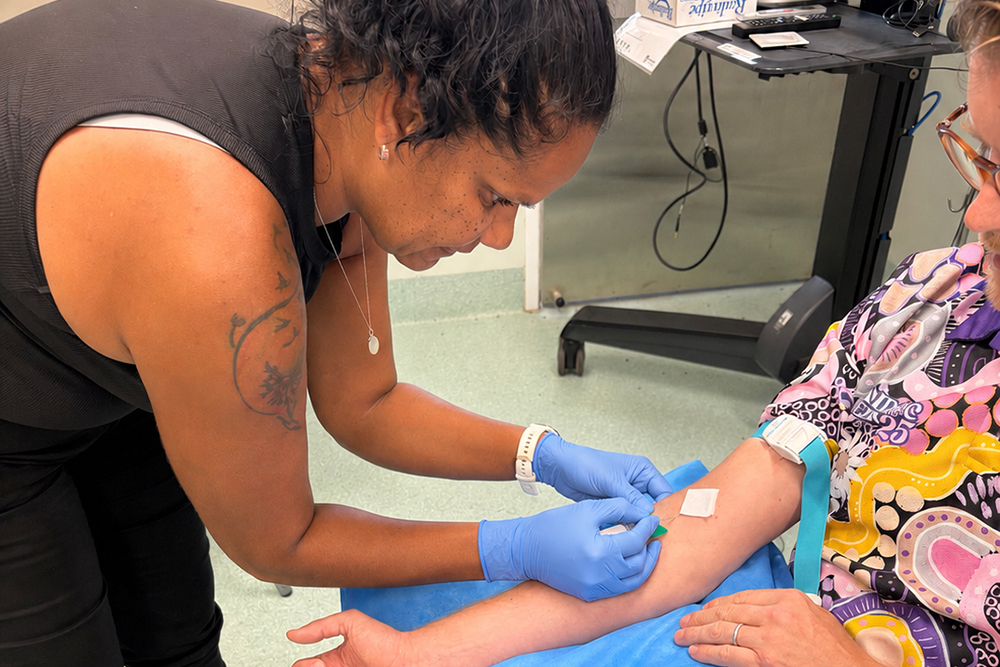
As the new Executive Director of Nursing and Midwifery at WA Country Health Service (WACHS), Alison Weatherstone brings extensive experience across rural Australia, national advocacy and international work. In this Q&A, she shares her leadership priorities, reflections on rural maternity care, and her vision for strengthening nursing and midwifery across country WA.

What are your aspirations/priorities in the EDNM role at WACHS?
Stepping into the Executive Director of Nursing and Midwifery role at WACHS presents an opportunity to shape rural and remote health outcomes at scale. My key priorities centre on strengthening equitable access to high-quality care, supporting and growing a sustainable rural nursing and midwifery workforce, and advancing innovative models that enable people to receive care closer to home.
The WACHS Strategic Plan highlights the importance of advancing quality, access and equity, valuing our people, and driving innovation – and these pillars strongly guide my leadership focus.
Ultimately, my aspiration is to contribute to WACHS’ vision of being a global leader in rural and remote health by strengthening person-centred models of care and ensuring country communities, and frontline nurses and midwives continue to have a strong voice in shaping services.
I assume you are based in WA now. What does the role look like for you?
While there is a strategic leadership component, a significant part of the work involves travelling to regional and remote sites, listening to and hearing teams on the ground and understanding the unique context of each community and service.
On any given day, I might be working with regional leaders on workforce initiatives, contributing to statewide reform, supporting virtual care innovations, or partnering with Aboriginal health teams to strengthen culturally responsive services.
The scale of WACHS means balancing operational realities with long-term strategy – ensuring services remain sustainable while continuing to innovate and improve access for people living in the country.
You have done great work in the Midwifery Group Practice space. Any thoughts on that model’s uptake in WA?
WACHS has been progressively expanding the Midwifery Group Practice (MGP) model across regional and remote areas of WA. There are currently eight MGPs across country WA, including Broome, Karratha, Bunbury, Margaret River, Esperance and Warren Blackwood.
MGPs have been shown to improve satisfaction, reduce postnatal depression rates, increase breastfeeding rates and support shorter hospital stays. In 2025, around 4,000 babies were born across WACHS sites, from larger regional centres to smaller rural hospitals, highlighting the importance of sustainable maternity models that support local birth options.
The MGP model is an internationally recognised, evidence-based approach that enables midwifery-led, multidisciplinary care. Feedback from families has been overwhelmingly positive, particularly around continuity of care and carer and the ability to stay connected to their community during pregnancy and birth. While public data varies across sites, the steady growth of MGPs reflects strong demand for this style of care in rural WA.

What are the biggest challenges and opportunities you see in country WA health?
Opportunities include the rapid evolution of telehealth and virtual care, which allow specialist support to reach communities hundreds or even thousands of kilometres away. Initiatives such as the Midwifery Obstetric Emergency Telehealth Service (MOETS) demonstrate how digitally enabled clinical hubs can support frontline teams in real time, improving access and safety for women and families.
There are also exciting developments in workforce sustainability, particularly programs focused on “growing our own” clinicians and supporting career pathways in rural settings. Infrastructure investment across regional hospitals and health facilities is improving capacity and enabling contemporary models of care.
At the same time, challenges remain. The tyranny of distance, workforce recruitment and retention, and higher rates of chronic disease in country populations all require innovative and collaborative solutions. WACHS’ strategic focus on equity, community partnership and culturally informed care – including initiatives aligned with the Aboriginal Health and Wellbeing Action Plan – is essential to improving long-term health outcomes.
What are the big differences between a role like EDNM of WACHS and your previous leadership and advocacy role at Australian College of Midwives (ACM)?
My work with ACM focused heavily on national advocacy, policy development and supporting the profession’s voice across Australia. It involved influencing system-level change, particularly around workforce sustainability, continuity of care and access to maternity services in rural and remote communities.
The EDNM role at WACHS brings a different perspective – it’s much more operational and service-delivery focused. Rather than advocating externally for change, I’m now directly involved in implementing and embedding those changes within a large rural health system.
Give us a brief overview of how you have worked throughout the country and the perspective it has given you. What’s the same and what’s different from place to place?
Growing up in the Pilbara and working in outback WA highlighted early on the challenges associated with distance and access to services. Queensland provided opportunities to see innovative regional maternity models and collaborative interdisciplinary care in action. Western Australia brings another level of scale and diversity, with services spanning vast distances and a wide range of community needs.
I have volunteered in nursing and midwifery roles for organisations and programs in Kenya and Papua New Guinea. Having global awareness of key issues facing nurses and midwives provides insight into the national and local context in Australia and shapes thought leadership.
The differences tend to be in infrastructure, workforce models and geography, but the shared goal is always improving outcomes while keeping care close to home.
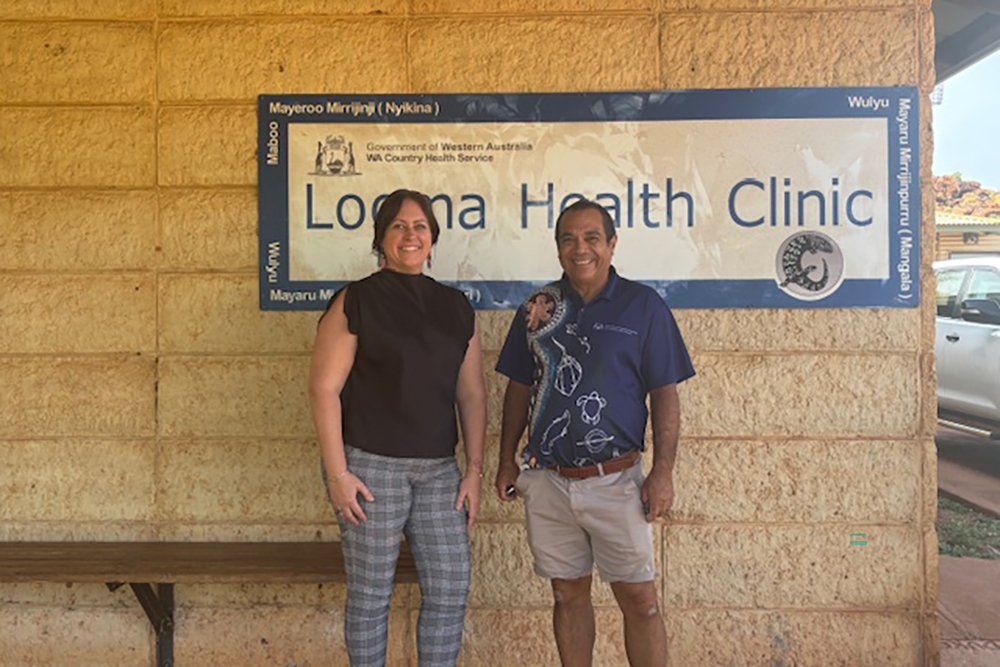
What experiences motivated you to pursue firstly midwifery and secondly leadership?
Early personal experiences living in rural and remote areas during pregnancy and when my eldest daughter was born highlighted the disparity of access to care for women living in metropolitan areas.
It wasn’t until I became a midwife and in my ACM advocacy role, where the importance of continuity of care, trust and culturally responsive and trauma-informed care became so apparent as being key to achieving positive outcomes for women and babies. Midwifery has always been about connection – supporting women, babies and families during some of the most significant moments in their lives.
I had some incredible and challenging nursing and midwifery experiences. However, over time I became increasingly motivated to influence change beyond individual clinical encounters.
Working alongside passionate multi-disciplinary teams and rural clinicians, I could see how strong leadership could shape service sustainability, which inspired me to step into broader leadership roles. Whether through national advocacy or executive leadership, the goal has remained the same – strengthening systems so rural communities have equitable access to safe, high-quality care.
Many of the defining moments in my career have come from witnessing innovation born from necessity in rural settings – teams collaborating to overcome distance, workforce shortages and resource constraints.
Those experiences continue to shape a leadership style grounded in collaboration, curiosity and a deep respect for the people delivering care on the frontline.