Can I honestly say that when I first journeyed into remote area nursing, I knew what MMM was? Where I was going and whether it was classified as rural or remote? To be honest, the answer was no.
I had a nursing background in a metropolitan emergency department. That was my day-to-day work, in a busy ED, clients coming and going and colleagues everywhere! Little did I know that my journey was going to change ever so slightly.
I applied with a nursing agency to get some experience working within the NT. I had no ideas of where or what was required.
The agency informed me that with my background, I should be starting in a rural hospital, which might be a more supportive environment to begin my transition to remote. I was happy and thought that this sounded like a great idea.
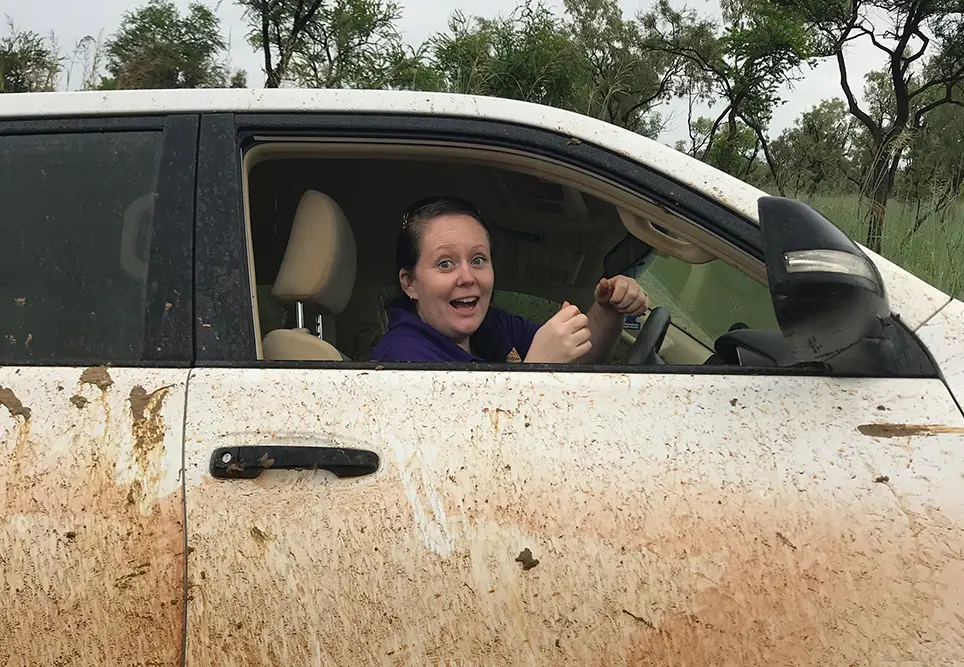
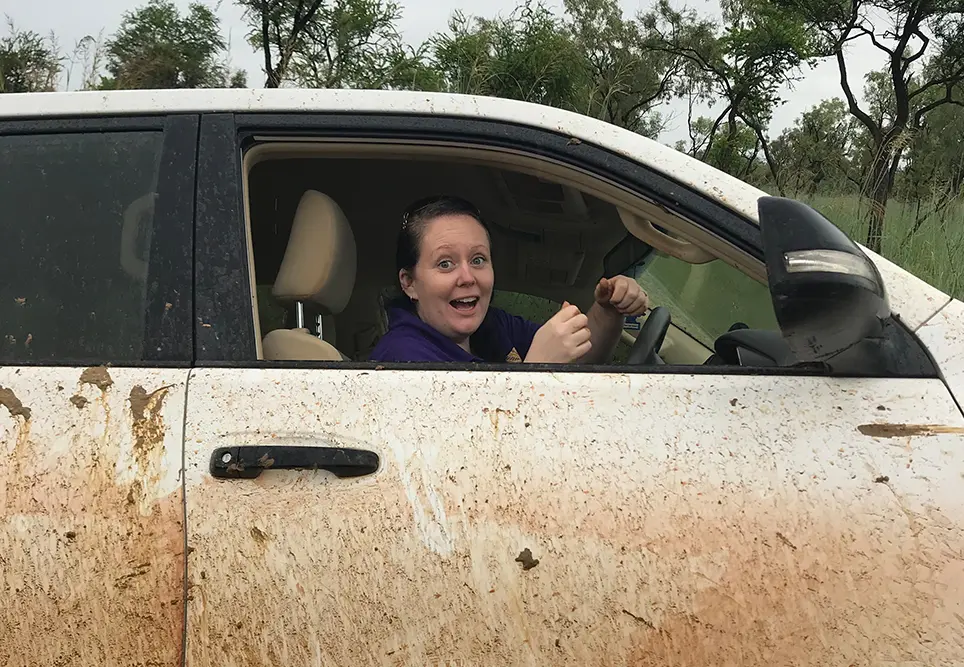
It was only a few days later that the agency called back and I suddenly found myself with a plan to fly out to a remote Aboriginal community approximately 400km away from the closest regional hospital! It was accessed by dirt roads and cut off in the wet season.
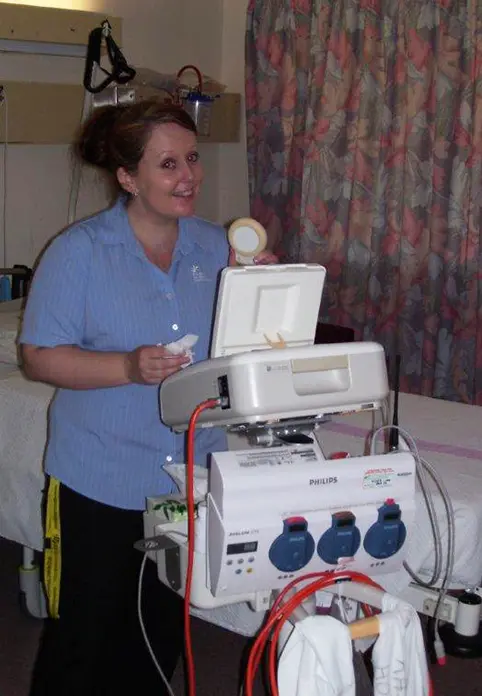
Coming from a city hospital, I was surprised to see that the emergency room was fitted with a ward bed, some outdated equipment, and a doctor that only attended to emergencies if they occurred during the day. There was no pressing the blue button and having everyone come running to help!
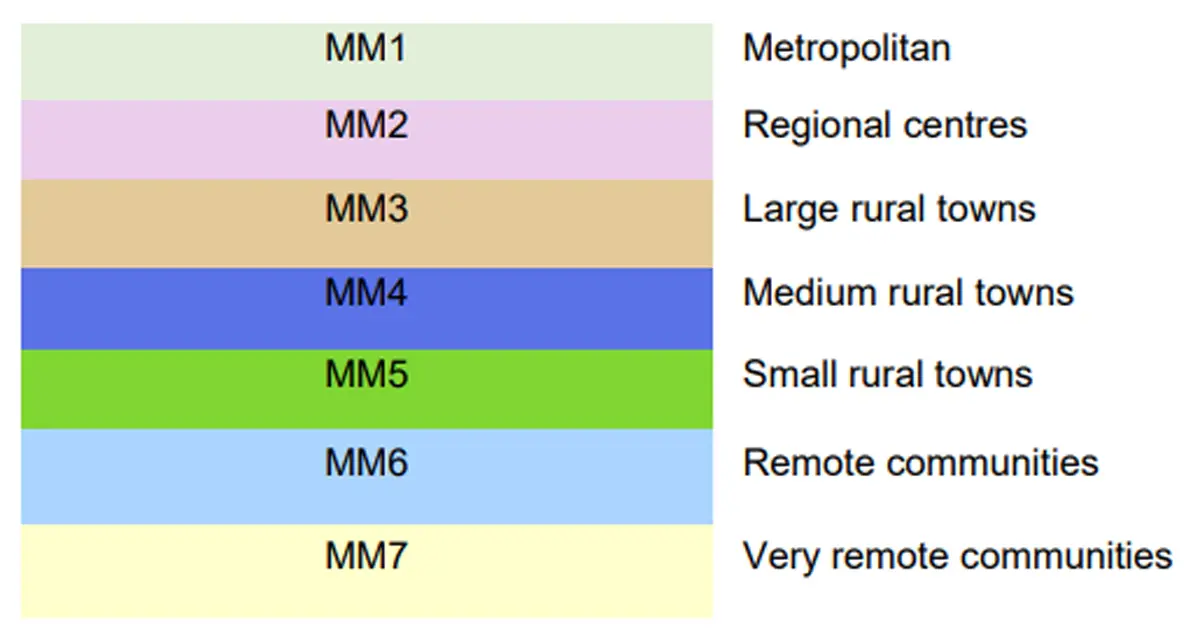
So, where does the MMM fit in with all this, and what is it exactly? The MMM (Modified Monash Model) defines whether a location is classified as a city, rural, remote or very remote.
It measures the remoteness and population size of that area to determine a number between MM1-MM7, with MM1 being a major city and MM7 being very remote. To give some examples, Bourke is a 7, Alice Springs is a 6, Oberon is a 5, Atherton is a 4, Albany is a 3, Darwin is a 2, and Sydney is a 1.
The Department of Health uses the MMM to determine workforce distribution, so this might help understand where and why health professionals are located where they are, and why some locations might have more services than others.
The MMM is used in conjunction with other data by the Department of Health in workforce classifications to determine the population’s access to health care. It is used also to determine areas classified as geographical remoteness and town size together.
If this isn’t confusing yet, you may have heard of other words such as ASGS-RA (Australian Statistical Geography Standards – Remoteness Areas) and the previous Monash Model. These were very useful in previous years but as time has elapsed and the industry has evolved, models have been reviewed and stakeholder consultations have determined the MMM, which is what we have now.
The MMM now includes more description, including the Australian Statistical Geographical Standards regarding remoteness area (2016).
So, if you are asked about your rural or remote location, or want to be prepared by knowing how remote you are going (unlike I was!), or you’re applying for a grant or scholarship with a specific rural or remote eligibility, now you know about the MMM.
In hindsight, if I knew what the MMM was and looked it up, I would have realised I was going from MM1 to MM7. Which was a very unplanned transition to remote!