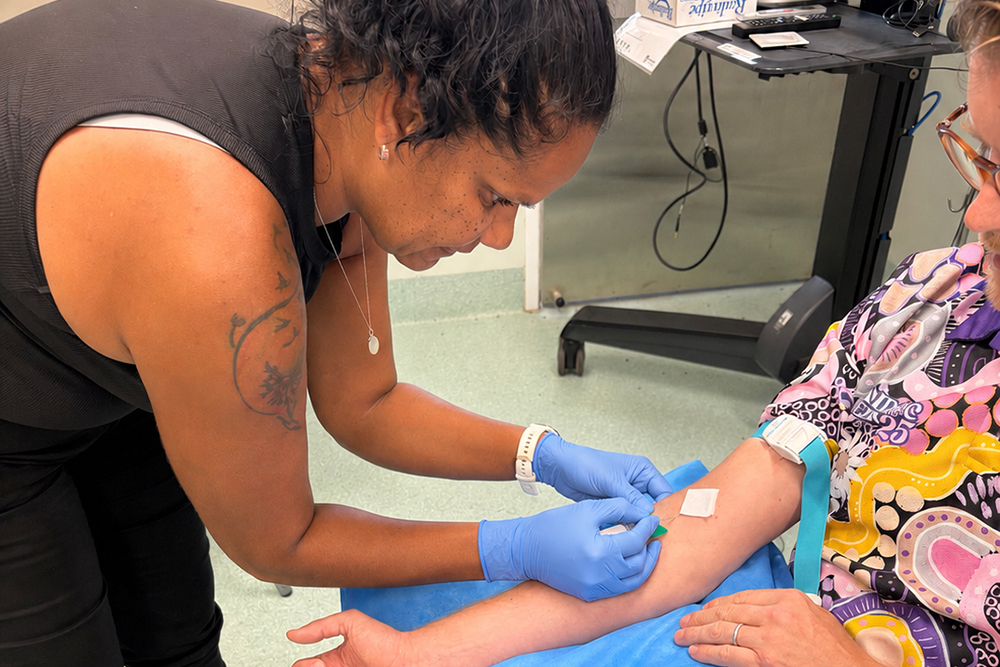
Just three weeks into their graduate program in Alice Springs, CRANAplus spoke with new grad, Elliot Downes, about making the decision to go remote.
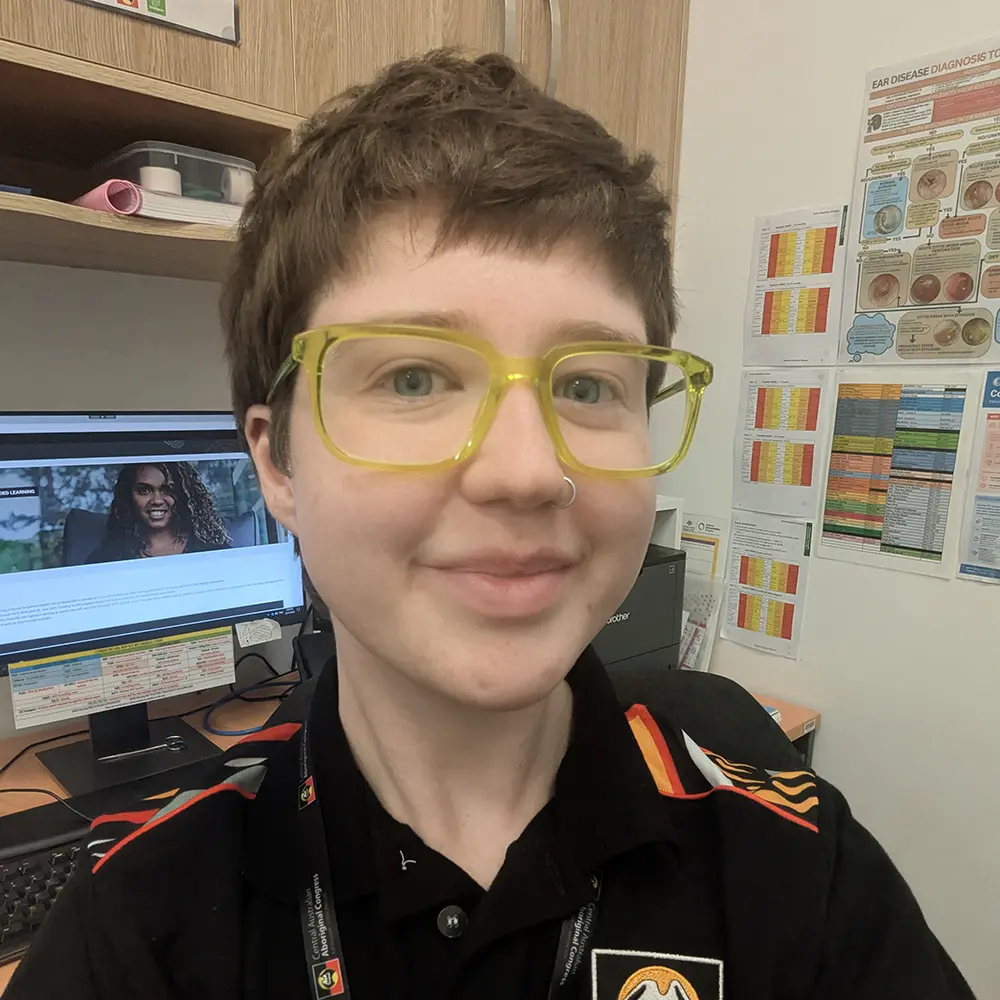
Elliot wasn’t too sure what they wanted to do after finishing their nursing degree in Canberra, but being accepted into a “once in a lifetime opportunity” had them packing up their things and moving to Central Australia.
“I was actually planning on applying for a graduate program in one of the public hospitals in Canberra, but I decided to do a bit of a 180 and move to Central Australia to complete a grad program in primary health,” Elliot explains.
Elliot is now just a few weeks into their grad program with Central Australian Aboriginal Congress.
“I found out about their graduate program by chance. I was just having a look at what was available online and decided to apply and see if I got accepted. So, a bit of an adventure.
“What drew me to working in Central Australia and working remote was the fact that you have more opportunities to develop skills that you just don’t get in metro hospitals. You’ve got greater autonomy.
“I think it’s really exciting to have the opportunity to develop these nursing skills that you just wouldn’t get a chance to.”
The graduate program’s staged structure has provided reassurance.
“If you’re on the remote pathway, which I am, you spend your first six months in the town clinics, then your next six months rotation is at the Alice Springs Hospital. Then it’s in the second year that we’re going out to remote communities outside of Alice.
“It sort of sets you up by your second year to be working with other remote area nurses in that remote context, but definitely not thrown in the deep end and expected to work out of CARPA or have that autonomy as new grads, so that’s quite reassuring.
“It’s much more focused on helping us find our feet and learn the basics that we need to be a nurse out here.”
Elliot was prepared for remote work to be vastly different to what they were used to, and what they expected from the experience has proven accurate so far.
“My expectations were that essentially I was moving to a different country,” they say.
“It’s definitely hit that. It’s a pretty steep learning curve.
“As someone who finished my studies in Canberra, already I’m seeing conditions that actually don’t exist outside of remote communities. And then add on that you’re practising in a totally different cultural context.”
The cultural learning has stood out in Elliot’s early weeks.
“It is really a privilege to work somewhere where the connection to language and culture is so strong,” Elliot reflects.
“You’re learning from the people that you’re caring for as well. That’s something I’m really enjoying.”
They describe the hands-on nature of primary health care as one of the most rewarding challenges so far.
“You’re learning these primary health skills that you don’t get a chance to learn on the ward.
“You’re looking in throats, you’re looking in ears, you’re looking at eyes. I’ve really enjoyed that challenge so far.
“I did have one really rewarding moment this week where I was able to see a child who was previously anaemic and had completed treatment and was no longer anaemic, and that felt really good to be able to lead a consult as a nurse, do all of the necessary assessments, actually check CARPA with mum and go through the results.
“It’s really satisfying to see people coming back and getting better. I think that experience of seeing people over time, you don‘t necessarily get in a hospital setting, so I’m really enjoying that.”
For nurses considering a similar leap, Elliot’s advice is to look out for opportunities available to you, especially ones that provide tailored support.
“I was always interested in going remote at some point in my career, but I didn’t realise it was an option for grads,” they say.
“There’s lots of organisations out there that provide structured programs, either for new grads or people who are new to remote practice. So definitely check out what’s out there and give it a go.”
Elliot credits CRANAplus with helping solidify their decision.
“I joined when I was looking into this graduate program. I wanted to connect with other remote health professionals, and actually reading some of the stories in the magazine confirmed to me that I was making the right choice.
“It was a bit of a leap of faith, but it was amazing to read about the other experiences that people have had before me. So that gave me a bit more motivation to take it up and go out there.”