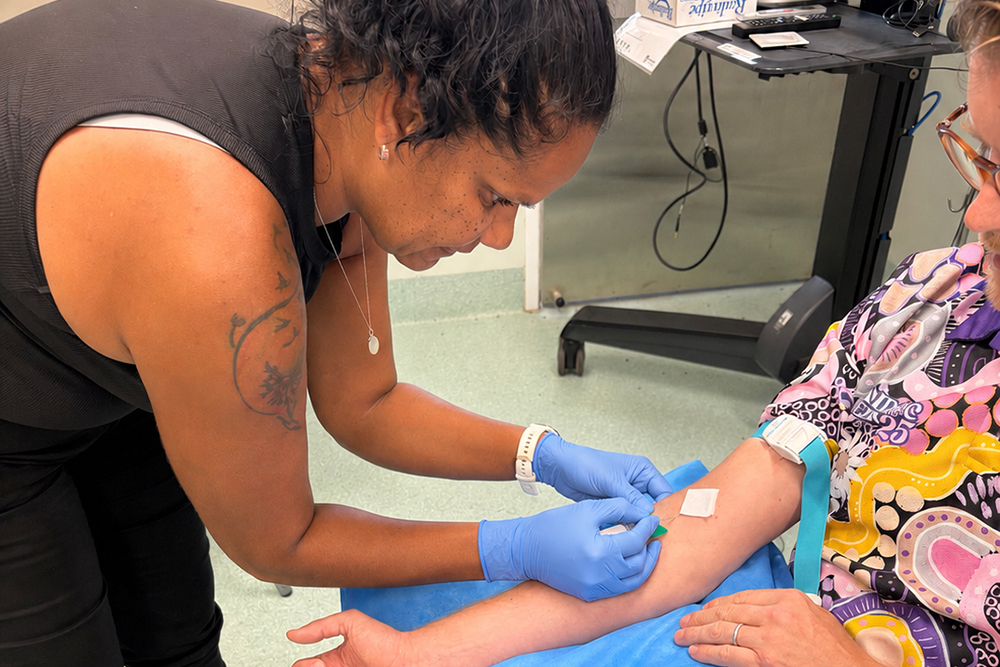
For clinicians working across vast rural and remote regions, being “ready” is more than a goal, it’s a daily necessity. While CRANAplus is well-known for leading Remote Emergency Care training and championing Culturally Safe practice, primary healthcare remains at the heart of remote work. Here, Shannan Lewis, CRANAplus Clinical Education Manager, introduces our updated Practical Skills course – a one-day, workshop-style intensive designed to turn clinical apprehension into procedural confidence. This refreshed version of the course reflects ongoing collaboration with state and local health services, along with valuable insights from clinicians working on the ground.
In a remote clinic, a nurse may transition from managing a chronic condition to treating a complex laceration or an acute eye injury within the same hour. Our updated Practical Skills course is designed to address those high-frequency primary care tasks that nurses may not have performed since university or perhaps never at all.
By blending online theory with hands-on face-to-face training, the course provides a supportive environment to master three critical pillars of remote practice:
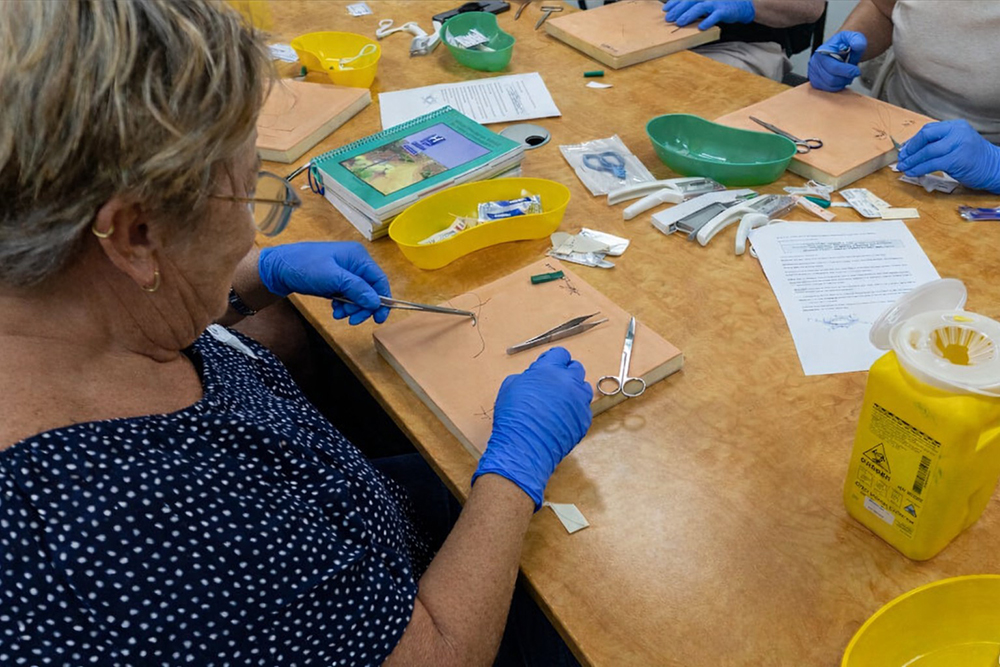
Wound closure and management
When the nearest hospital is hours away, definitive wound care starts with you. The course covers:
- Technique: Hands-on practice with suturing and staples, as well as fishhook removal.
- The “Why”: Understanding anatomy, physiology, and the principles of healing to ensure long-term recovery.
- Preparation: Understanding local anaesthetic administration and thorough wound preparation.
Mastering the limb: Plastering and assessment
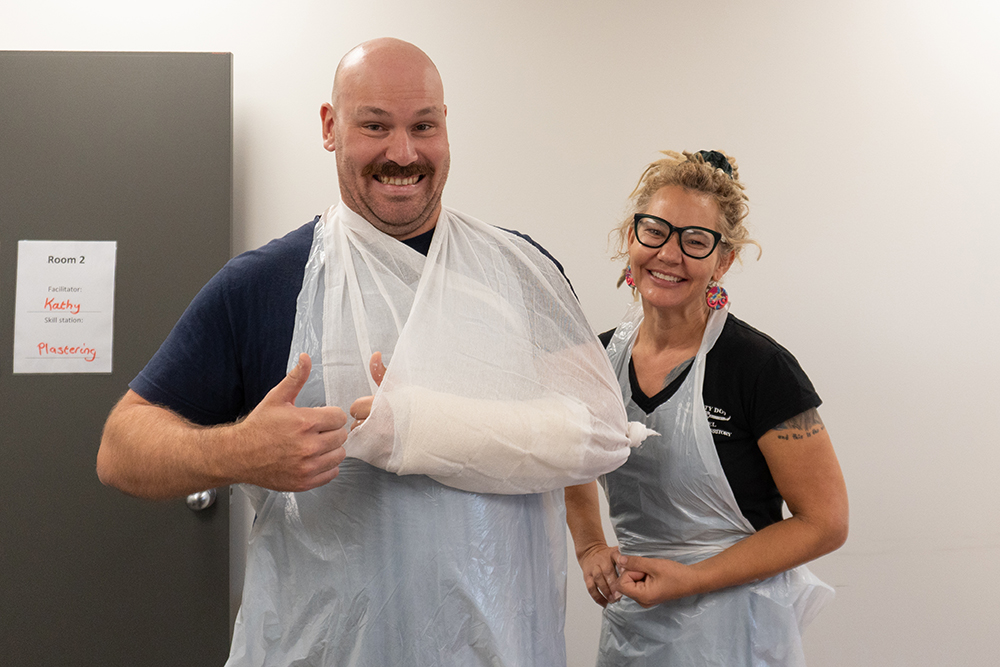
Fractures and limb injuries are common in remote industry and community life. We demystify the art of plastering:
- Initial triage: Assessing the limb and performing neurological observations.
- Application: Practical training in applying back slabs for upper and lower limbs.
- Safety: Identifying and managing the critical complications of casts to prevent further injury.
Specialised assessments: Eyes and ears
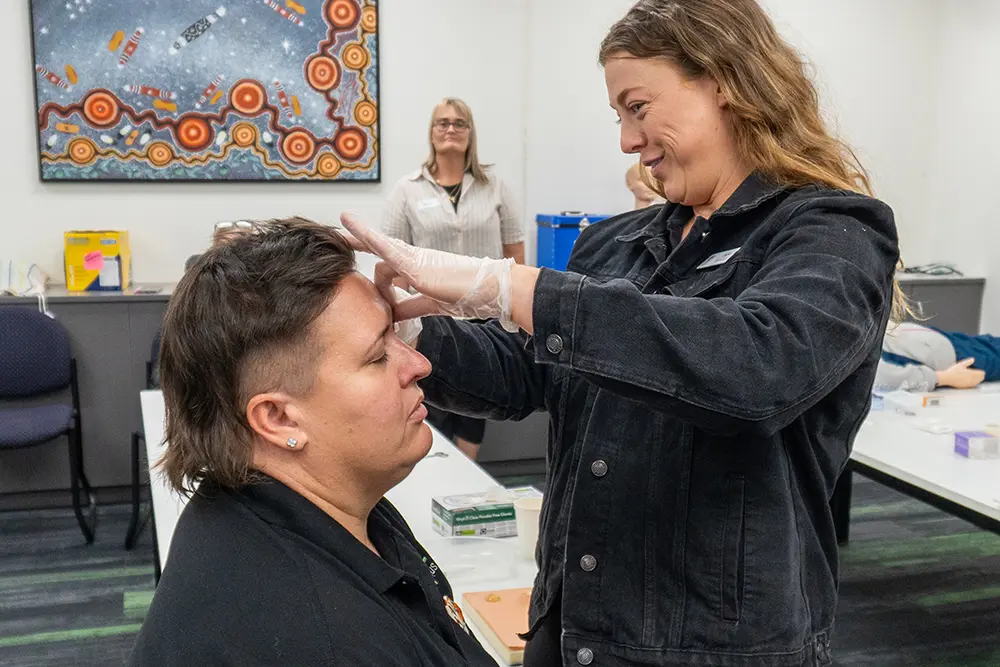
Eye and ear presentations are staples of remote primary health, yet they require specialised tools and techniques.
- Ophthalmology: Learn to confidently use an ophthalmoscope, manage chemical burns with a Morgan lens, and recognise “red flags” like retinal detachment or metallic foreign bodies.
- Otology: Using evidence-based CARPA and PCCM guidelines, clinicians will refine their otoscope techniques to manage everything from fungal infections to perforations and foreign bodies.
In the remote space, your hands are the patient’s primary access to pre-specialist-level care.
This course isn’t just about learning to stitch or plaster; it’s about utilising scope of practice and clinical autonomy of the remote workforce (when approved by facilities and health services).
By mastering these skills locally, we reduce unnecessary medical evacuations, keep patients in their communities, and ensure that the care provided is both safe and evidence-based.
CRANAplus is committed to preparing clinicians for rural and remote practice, ensuring they feel equipped to thrive in their roles and provide the high-quality primary care all Australians deserve.