The Australian Institute of Health and Welfare reports that in Australia, about nine people die by suicide each day. The impact is magnified in rural, regional and remote areas where increased connectedness means the loss of a single person’s life ripples out into an entire community.
WA Minister for Health and Mental Health, Meredith Hammat, says, “Tragically, too many Western Australians have experienced the devastating effects of a loved one’s death by suicide.”
“Our government is committed to suicide prevention, and this investment will provide our mental health workforce with enhanced skills and training for the challenging job they face when confronted with a suicidal crisis in our community.”
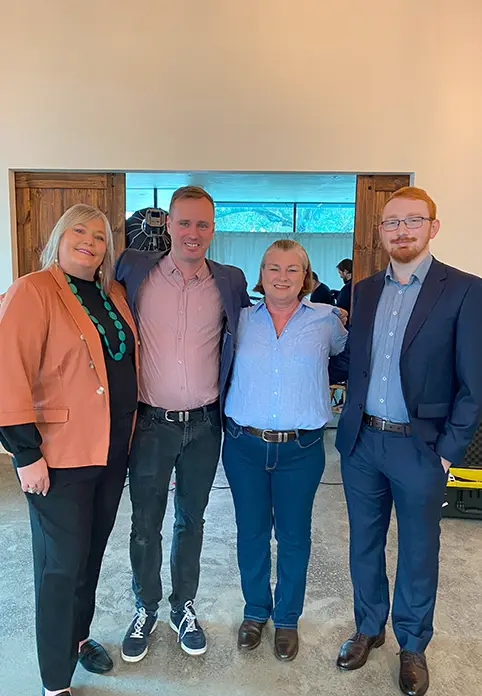
CRANAplus Bush Support Line Senior Psychologist, Dr Nicole Jeffery-Dawes, is a WA local living and working on Miriwoong Country/Kununurra.
She says, “Suicide has impacted the community where I live as everyone knows everyone… so when there is a death by suicide, everyone is affected, everyone knows about it and everyone is grieving.”
Nicole and the CRANAplus’ Mental Health & Well- being team use SafeSide as their chosen suicide prevention training provider and use the framework for assessing and managing suicide risk.
As part of their current project, SafeSide is tailoring its suicide prevention education program to reflect the real-world experiences and needs of Western Australians.
Nicole specialises in rural and remote mental health, making the SafeSide project an ideal platform for sharing her expertise.
In the videos, she covers essential topics including drivers of suicide in remote communities, approaches for sensitive conversations with community members, and cultural safety practices. But perhaps most importantly, she shares a lesson learned during her time in the Tanami Desert: remote health professionals must recognise that communities themselves know what works best for them.
“I wasn’t the expert when it came to mental health, or anything. I needed to sit back, observe and listen and learn.”
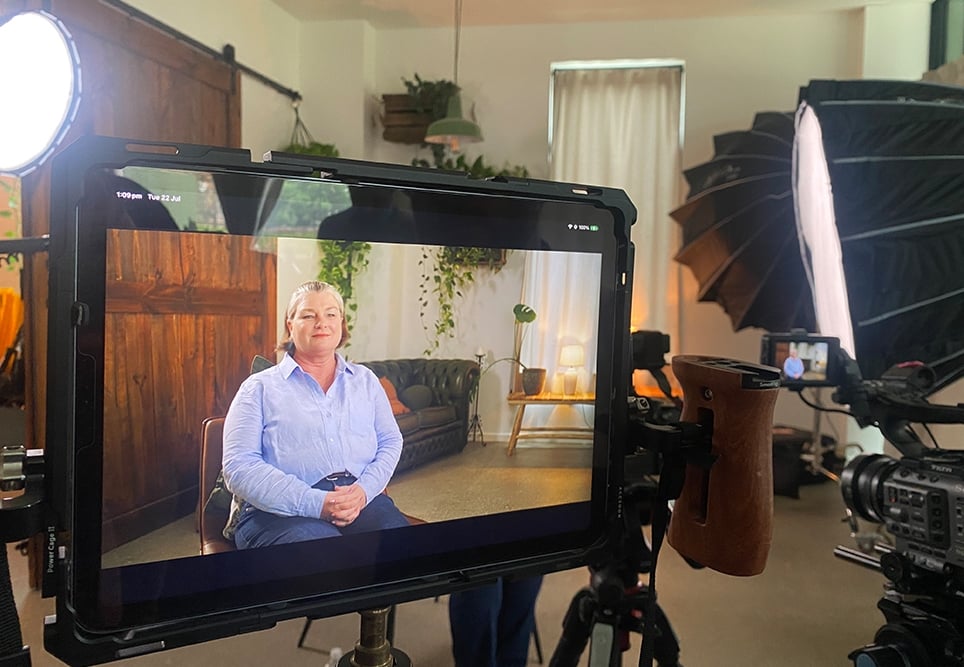
Nicole also says it’s critical to give people hope.
“There are so many opportunities to get in there and help people, and it’s about providing hope to those people who are feeling like that, in that moment. It doesn’t mean they’re always going to feel like that.”
When supporting someone through a crisis, Nicole’s advice is simple but powerful: show up as your authentic self, make it clear you’re in this journey together, and don’t carry the weight alone.
“Working in that space can be confronting, and there are times we need to take stock to look after ourselves,” Nicole says.
“I think at the end of the day, everyone within that community has an integral role when it comes to suicide prevention. Everyone can keep an eye out.”
“The biggest thing is to help the community understand what to look out for, what to notice … and just to keep talking to people.”
This WA Mental Health Commission-funded training will support those working in mental health, alcohol and other drugs services, and youth services, to help staff respond during a suicidal crisis. It will extend and complement Western Australia’s suicide prevention initiatives funded under the Western Australian Suicide Prevention Framework 2021–2025.
Nicole’s participation will enhance the delivery by ensuring representation of rural and remote workforce perspectives, and by increasing the relatability and resonance of content for regional, rural and remote audiences.
References
1. AIHW (Australian Institute of Health and Welfare) (2025) Suicide & self-harm monitoring, AIHW, accessed 9 September 2025. www.aihw.gov.au/suicide-selfharm-monitoring/overview/summary
2. Government of Western Australia (2025) Upskilling mental health workforce to prevent deaths by suicide, Government of Western Australia, accessed 9 September 2025. www.wa.gov.au/government/mediastatements/Cook%20Labor%20Government/Upskilling-mental-health-workforce-toprevent-deaths-by-suicide-20250520