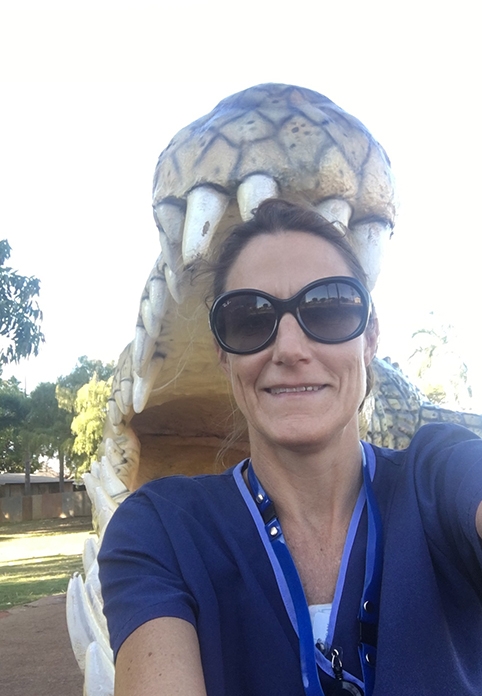
Can you tell us about your journey to becoming a remote area nurse?
I started nursing straight from school. My grandmother was a nurse. Once I became a registered nurse, it took me a while to find my niche, but when I did, I fell in love with nursing.
In 2015, my partner and I made the decision to travel around Australia in a caravan. This resulted in me briefly working at Normanton Hospital in 2016, which I loved, and the rest is history.
In 2024, I decided I wanted to return to Queensland to be closer to home. A friend worked at Yellagundgimarra Hospital Doomadgee and was looking for senior staff, so I decided to apply.
How do you think working in a remote community differs from working in a larger urban hospital?
There is increased familiarity with your patients when working in a remote community. Over time, you become familiar with the patient and their medical history, and you develop a relationship that makes them feel comfortable to share their concerns with you. You feel like part of the community, not just a healthcare worker.
The biggest challenges are the lack of resources, fewer staff in an emergency, and recruitment of skilled staff.
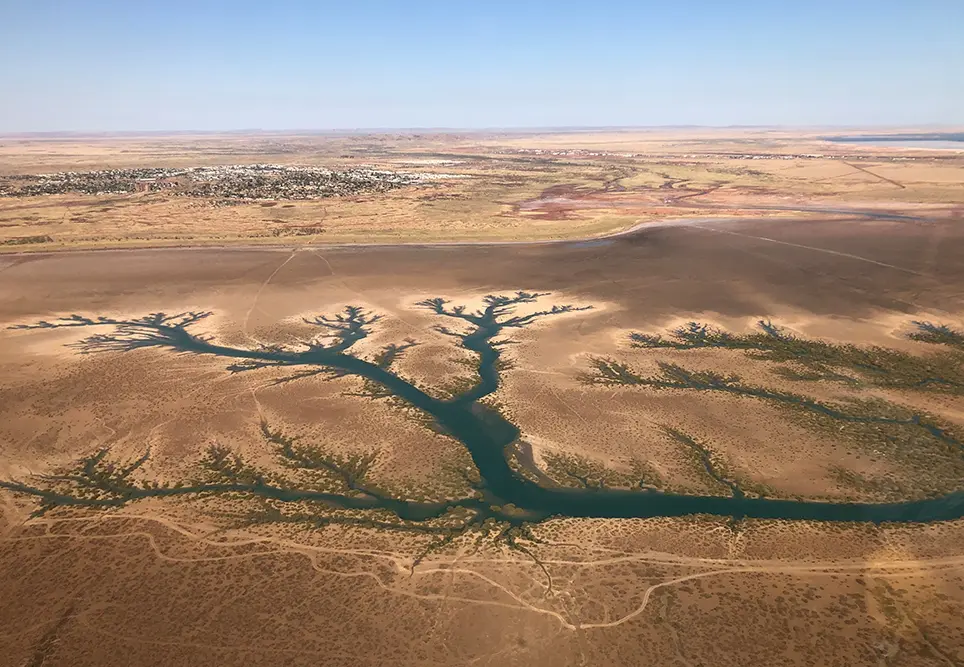
What satisfies and motivates you in your role?
There is always something to learn and something to teach. I enjoy increasing my own knowledge and skill base but also sharing my knowledge and skills – that’s what keeps me motivated. I want to help build the next generation of passionate, skilled nurses.
What surprised you about working in rural and remote health care?
How much I love it. I came from a tertiary ICU and ED setting, but fell in love with regional and remote nursing. I think it stems back to having grown up on a farm. I love getting to know your community, not having to navigate traffic, and living a much simpler life.
There is a joy when patients feel comfortable and trust you as their healthcare provider. I have had regular involvement with a patient who attended ED in the middle of the night, acutely unwell. Their initial presentation was very challenging. However, due to a successful outcome and spending so much time together, the patient became more relaxed with subsequent presentations, and we were able to initiate treatment more rapidly as we were aware of existing medical issues.
What strategies do you use to educate patients about their health, especially in a community with limited resources?
Patient education can be challenging, but as we see the same patients regularly, frequent, simple, consistent information is the key. Work with Aboriginal and/or Torres Strait Islander clinicians and support staff and involve the whole family (if appropriate). Build a relationship with your patient and community, and hopefully, trust will follow, which will support information sharing.
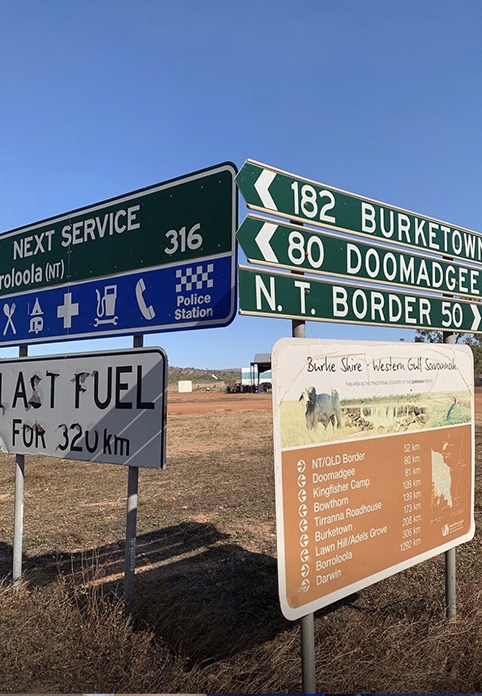
What tips would you give nurses interested in exploring a career in rural and remote locations?
Make sure you research and understand what life will be like. One of the biggest challenges living in a rural and remote location is ensuring you can adapt to a quieter personal life (on your days off). Undertake some courses before going remote to build a base set of skills and knowledge, such as CRANAplus’ Remote Emergency Care, Maternity Emergency Care, and Paediatric Emergency Care + Paediatric Advanced Life Support courses.