
This CRANAplus Undergraduate Remote Placement Scholarship was sponsored by HESTA.
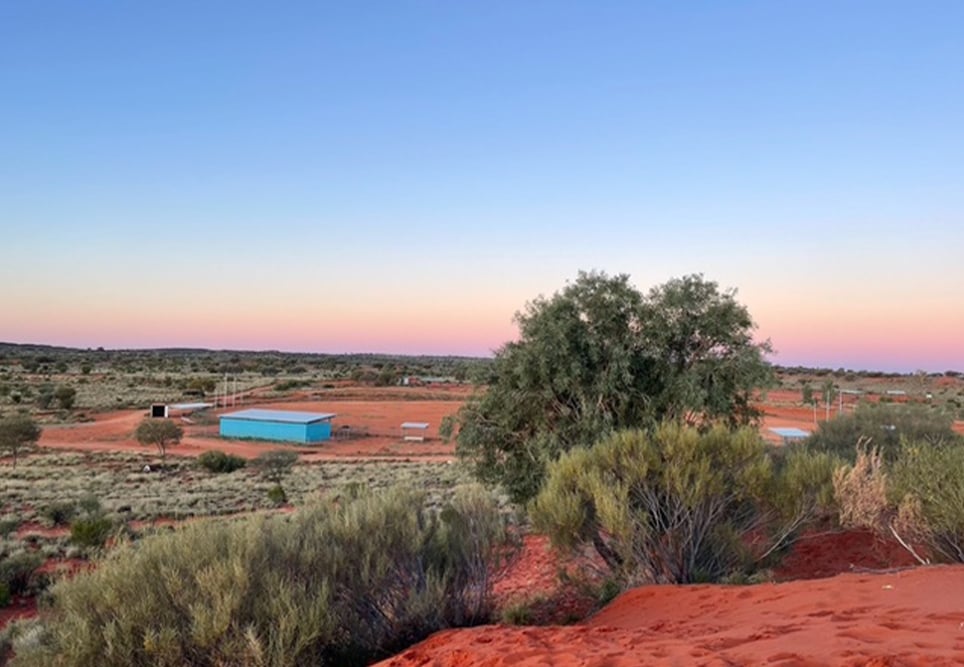
Going on a student placement in Central Australian communities was a big adventure. It was more than just completing mandatory clinical hours. It was about getting involved and helping in a place far from cities.
Cultural differences seemed daunting initially, but bonds began to form as the days unfolded. The warmth and resilience of the community welcomed me, erasing any feelings of estrange-ment. My placement involved working alongside the diabetes educator and child health nurse, addressing the pressing healthcare needs of the community. Each day presented unique encounters – from conducting health screenings to participating in community outreach programs.
One of the most memorable aspects of the placement was witnessing firsthand the impact of limited resources on healthcare accessibility. The nearest hospital was hours away, and many community members lacked transportation means; this illuminated the importance of innovative healthcare delivery models tailored to the community’s unique needs.
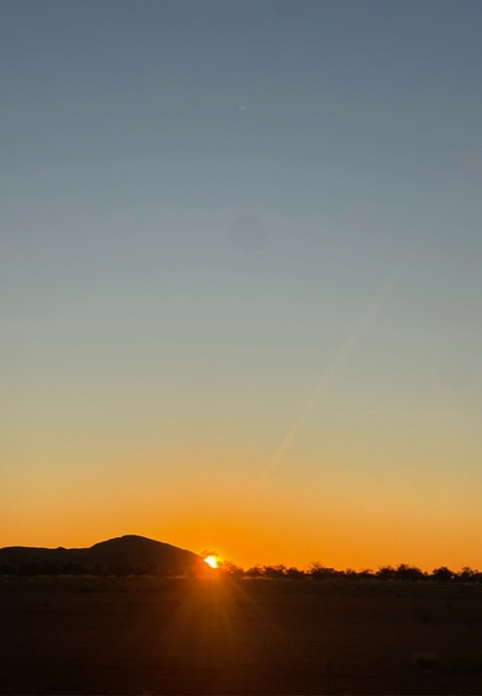
Living in a remote community taught me invaluable lessons in adaptability and resilience. Challenges such as intermittent electricity and limited internet access pushed me out of my comfort zone, fostering creativity in problem-solving. The simplicity of life in the community offered a stark contrast to the fast-paced world I was accustomed to, prompting introspection and gratitude for life’s essentials.
As my placement ended, I departed with a profound sense of gratitude and humility.
The community had imparted lessons that no textbook could convey, shaping my professional aspirations and outlook on life. It was a humbling reminder of the privilege and responsibility that comes with knowledge and the importance of using it to serve communities in need.
In retrospect, my student placement in the remote community was not just an educational endeavour. It reaffirmed my commitment to a career path centred on improving healthcare access and addressing disparities in underserved communities. Above all, it instilled within me a deep appreciation for the resilience and strength inherent in every community, no matter how remote.