“Education for healthcare professionals can be metro-centric and delivering [CRANAplus] courses in rural and remote locations is absolutely necessary,” says Jason.
“Otherwise, rural and remote workers can miss out on essential professional development to improve their knowledge for good patient and community outcomes.
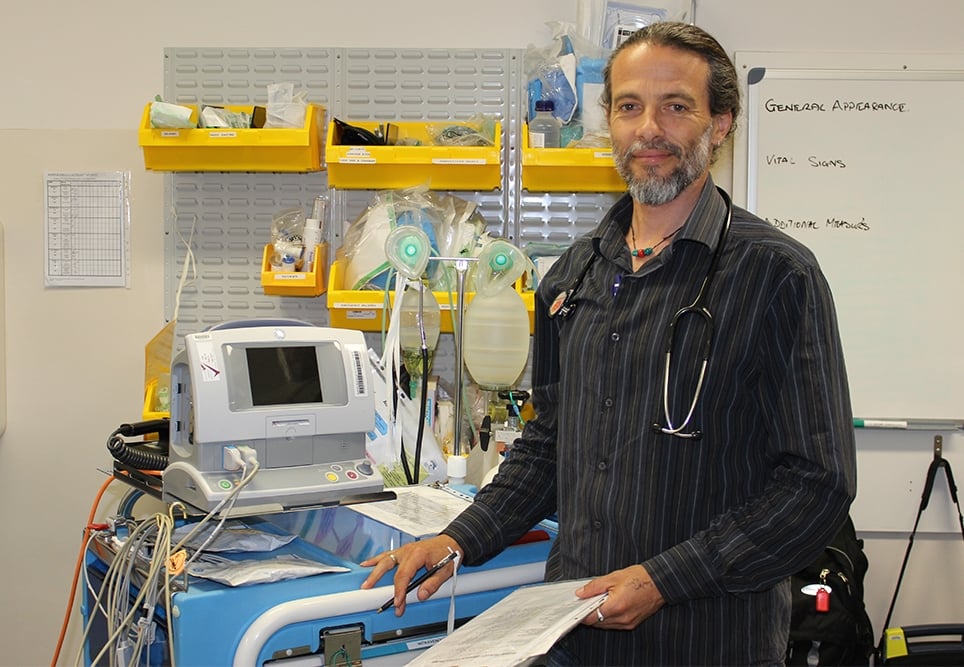
“I know what it’s like for them… We don’t always have a doctor on hand, and [while waiting for retrieval, we can spend hours] assisting and treating an emergency case.
“That’s [why] these courses are so necessary – providing and helping to maintain the skills needed in high-risk situations.”
Nursing as a career entered Jason’s radar when he was in Year 12 and spending a lot of time in hospital with his grandmother who had cancer. He was inspired by the nursing staff.
“I like helping people; I also like what nursing offers and the different fields to enter,” he says.
It was Jason’s first overseas posting that set him on the path of choosing to work in the field of rural and remote health, in resource- poor communities.
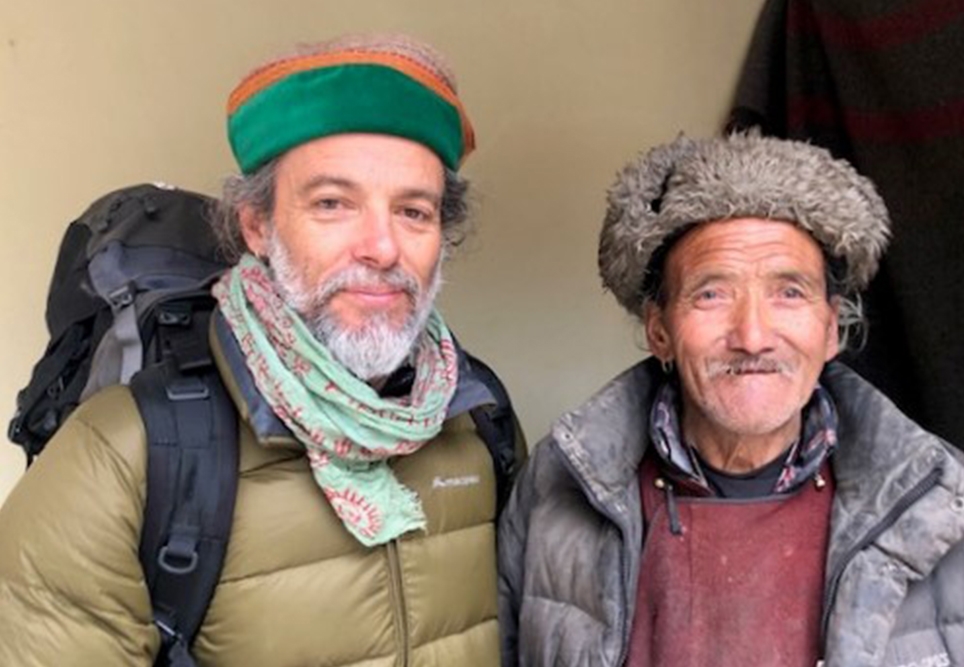
“When I first went into nursing 30 years ago, I worked for a time in Nepal in the mountains for an NGO,” Jason recalls.
“It was clear that resource-poor environments need the help. I also was drawn to the sense of community in these locations, the interaction with people and being able to meet more intimate health services.”
Jason also spent some time on the Cocos (Keeling) Islands, a remote territory of Australia in the Indian Ocean, 900 kilometres from Christmas Island, comprising a group of coral islands that form two atolls. Only two of the 27 islands are inhabited.
For the past 20 years, Jason has worked in Lorne, in charge of the hospital’s emergency department, acute care and dialysis units. He is a Rural and Isolated Practice Registered Nurse (RIPRN), having undertaken additional training and accreditation to be qualified to supply and administer scheduled medicines.
His experience in Nepal, of training people to be primary healthcare workers and empowering them through knowledge to help their communities, was also influential in Jason’s choice to be a Nurse Educator, which he has done for the past 20 years.
When he saw that CRANAplus was looking for facilitators about 10 years ago, the decision was easy.
“I can’t pin down one thing that keeps me facilitating,” says Jason. “It’s multi-faceted.
“Empowering people through education and knowledge is important, and I always enjoy networking, meeting amazing, inspiring people, and always, always learning from the participants and other facilitators.”
When he’s not in Lorne or facilitating CRANAplus workshops, Jason is also one of the 700 trained healthcare professionals in AUSMAT (Australian Medical Assistance Team) deployed nationally and internationally to manage local emergencies.
“My organisation knows I want to be engaged in my nursing – and that, through these outside interests, I bring a lot of new knowledge back to my workplace,” says Jason.
Following interruptions to face-to-face courses during the first few years of the COVID-19 pandemic, Jason is delighted to be back on the road again, with plans to go to Nhulunbuy and Darwin and undertake additional tertiary studies this year.
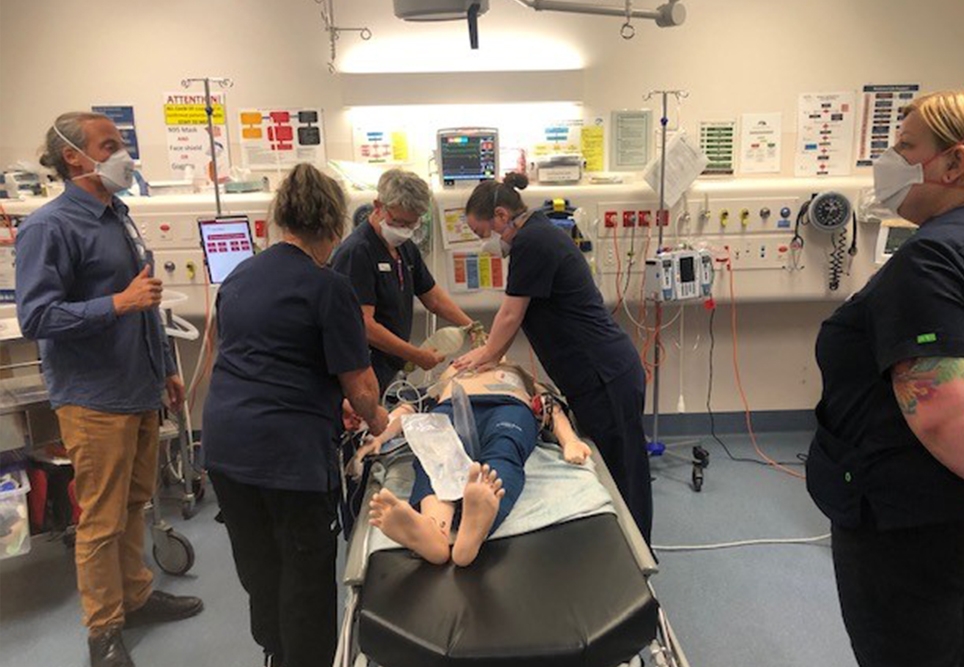
“CRANAplus workshops have evolved and improved over the years,” says Jason.
“The focus is skills-based, dynamic and participatory learning through a series of skills stations, scenarios and group work.
“These professionals [attending CRANAplus courses] are used to being in a clinic by themselves. They deal with primary care issues all day, every day, but that isolation also means that, in an emergency, they may be alone, having to make critical decisions in a resource-poor environment. That’s where these courses are invaluable.”