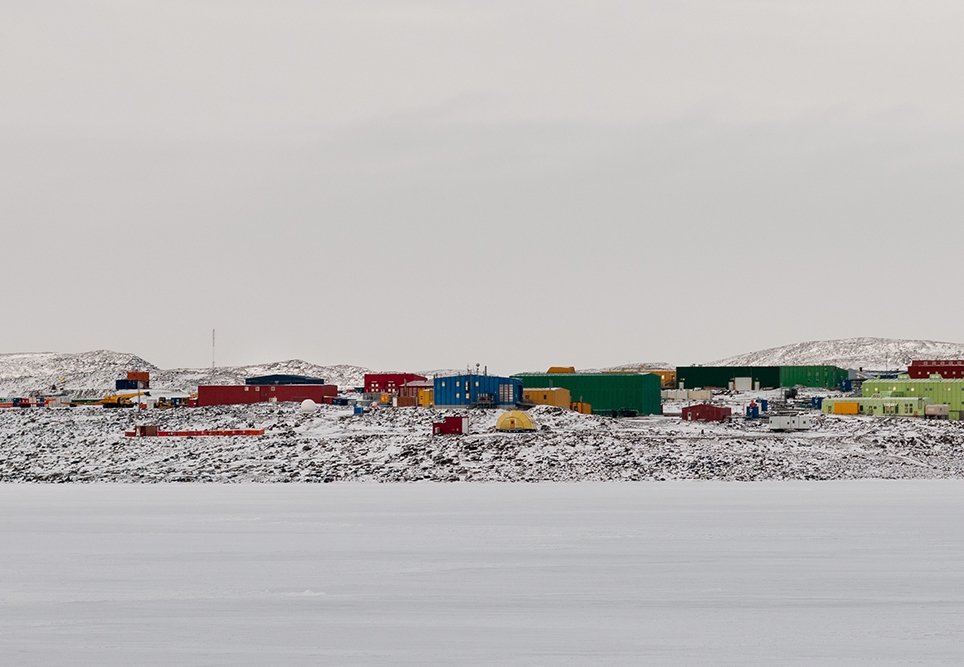
Antarctica is the coldest, driest and windiest continent. A land of such extremes may not attract a native or permanent population, but it does play host to an itinerant population of scientists, adventurers and tourists.
With the southernmost continent’s average temperature ranging from -10 to -60°C, any Antarctic program or expedition requires extensive pre-departure planning and education, and is made possible by temperature-controlled facilities and specialised equipment. Stereotypical health conditions associated with extreme cold (like hypothermia and frostbite) are therefore rare.
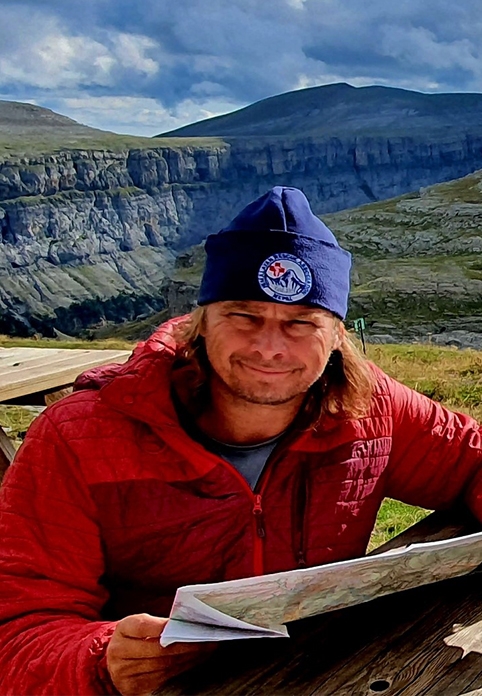
“The role for a healthcare professional working in this environment encompasses not only treating people with problems but extends to helping plan what is often a logistically complex expedition so that it is achieved safely and functionally,” Dr. Edi Albert says.
Clinicians working in this environment are often required to do so at an extended scope of practice due to resource limitations and distance from outside help.
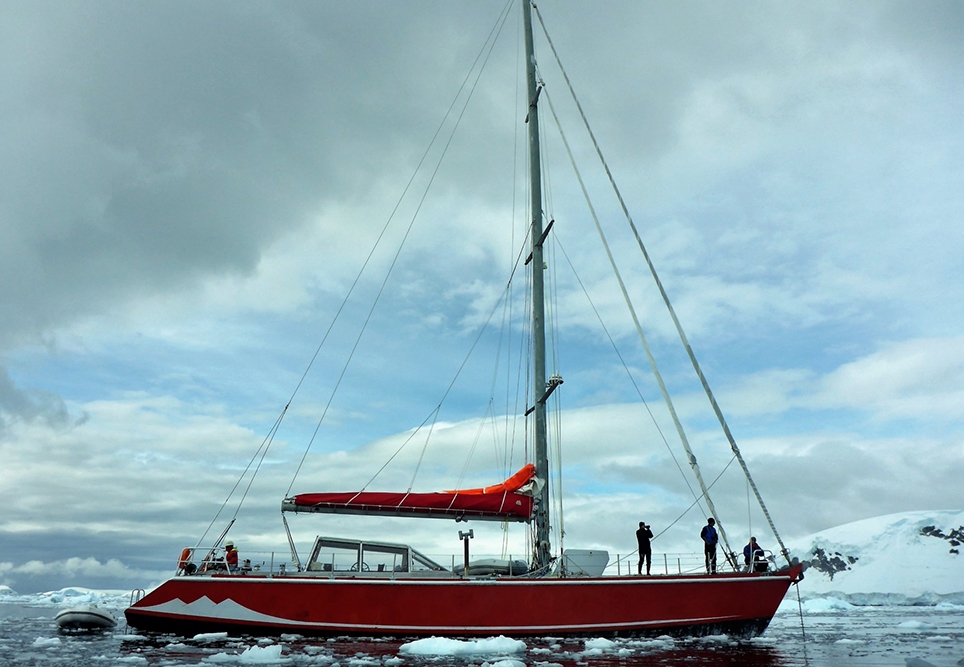
To demonstrate the realities of retrieval, Edi gives an example from the Antarctic Peninsula, one of the more active areas, where you’ll find national stations (e.g. American, Chilean, Ukrainian, British) with doctors and tourist ships with differing medical capabilities.
“If we were in a small tourist yacht and we had a problem, we could probably transfer a patient to a bigger ship,” he says.
“They could steam all the way up to King George V Island and arrange a medevac from South America or keep going: it might only be 48 hours across the Drake Passage and back to Ushuaia, Argentina, where
there’s a hospital.”
However, he notes that evacuation can cost tens of thousands of dollars – meaning it is frequently insurance-based – and that sometimes there may be limits to what can be done.
“You might have to just put up with more discomfort and risk because evacuation simply takes longer and might not even be possible,” he says.
“For example, at the stations in the middle of winter, it may not be possible [to evacuate] for several months. That then tells you what sort of level of health care provision you need to have.
“Working in an isolated environment requires you to be prepared to extend your scope, improvise and take calculated risks because after all, healthcare is really about risk management.”
A range of non-clinical skills will also enable health professionals to thrive when working in an extreme, isolated environment like Antarctica.
“In scientific, recreational, and expedition contexts, it’s often about, ‘what roles or functions can you fill outside of healthcare?’,” Edi says.
“You’re not always going to be doing a lot of health care, because you’ve got healthy people. Can you drive a boat? Can you drive over-snow vehicles? Can you just muck in with a shovel and clear the snow? What are you like at cooking? Can you play a musical instrument?”
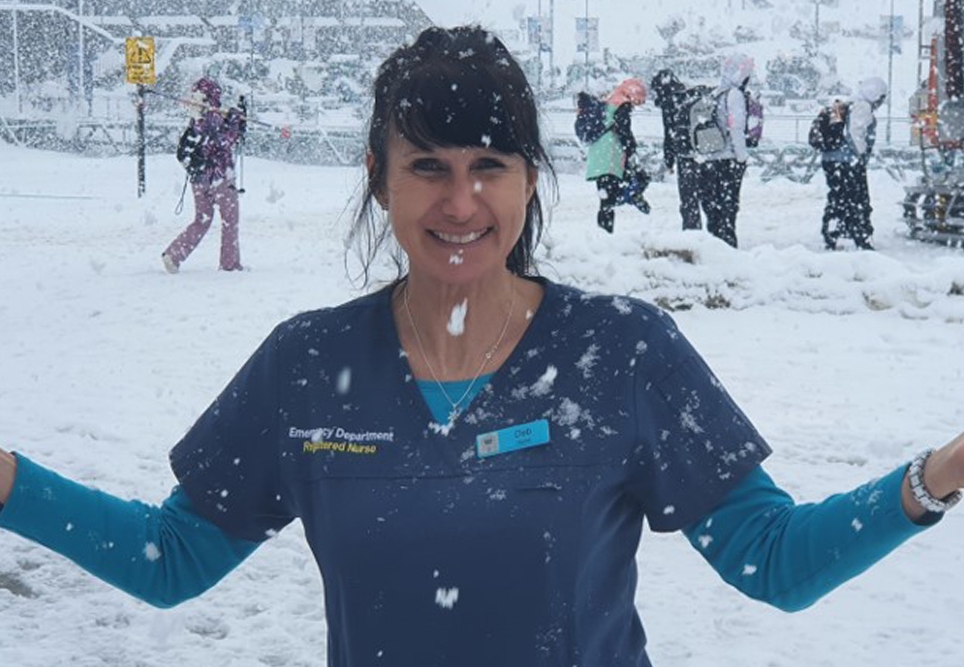
While nursing roles with the Australian Antarctic Division are currently very limited, there are certainly other maritime and expedition opportunities.
The superyacht industry employs nurses and you may find yourself working not only as a nurse, but also as a steward, boat driver, surfing or diving guide, or crewing a sailboat.
If a job in this environment appeals to you, Edi advises you to follow the apprenticeship model of building up skills bit by bit through a gradual exposure to more extreme working environments, or through courses like University of Tasmania’s Expedition Medicine or Medical Care on Offshore and Inland Waters.
This can help to build resilience, preparing you to work effectively in a context where you may face the paradox of isolation and lack of privacy, the interplay of different personalities, and what may seem to be a harsh and strange environment.
“The thing that brings people back is that they just love being in that environment.
“It calls to them. It sings to them, and they feel at home there as opposed to feeling at home in a flat in a city. You meet your tribe. It could be a sense of belonging that people find,” Edi says.