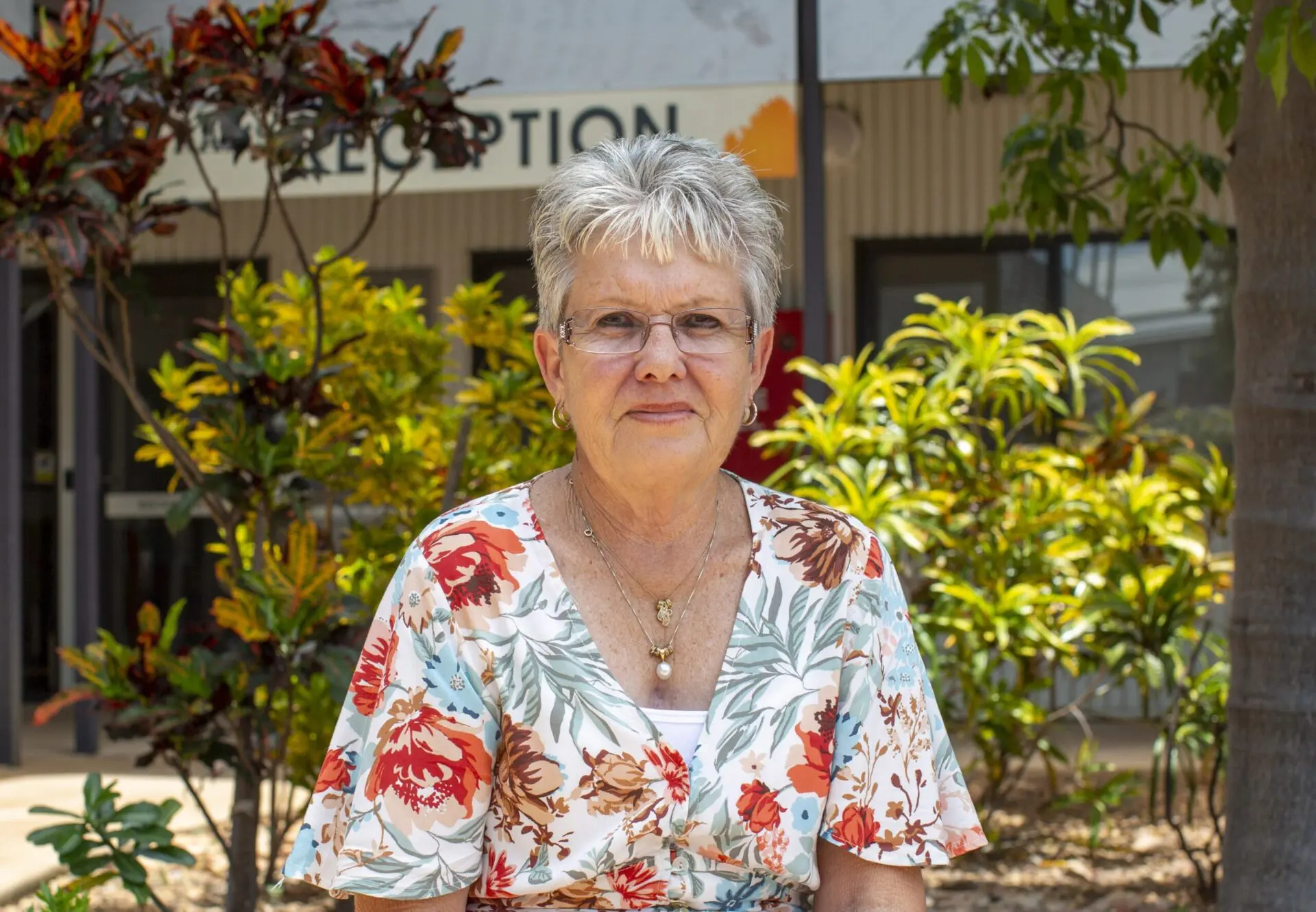
When Vicki first heard she had been nominated for the Order of Australia Medal (OAM) this year, she thought it was a scam.
“I am a humble person, I just do the work,” she says.
“It’s true I may have been the voice for Aboriginal primary health in the Kimberley, but there is a whole team of people behind me doing a lot of the work… This medal is for all the teams I’ve worked with.”
Vicki, who has worked as a strategic leader in Aboriginal Community Controlled Health (ACCH) for nearly 20 years, received her OAM for her involvement in Indigenous affairs and Indigenous health in the Kimberley and across the state. She comes from a long line of family members who speak up and are the voice for their community.
Her mum Elsa Archer received the OAM four years ago for services to the community, and her aunt Carmel Moore, her dad’s sister, received it about 20 years ago for her involvement with the CWA. Her dad, who died at 57, was involved in the Shire, speedway and many community clubs.
“I put it down to my upbringing,” says Vicki, whose dad was Aboriginal, her mum non-Indigenous. She learned over the years to speak up for herself, for Aboriginal communities, for Aboriginal health, to become a voice, to make a mark.
“We’ve a way to go, but we’ve come a long way,” says Vicki. “We are now at the table with a voice that is heard – but there are still occasions we have to knock at the door, and loudly, to point out that we are here.”
With a Diploma business degree, Vicki’s working life began in WA State Health and then with Aboriginal Affairs. She then became CEO of Derby Aboriginal Health Service for 12 years and has been the CEO of the Kimberley Aboriginal Medical Services (KAMS) in Broome for the past seven years. KAMS provides advocacy and services to member services, across over 15 remote clinics. 80 per cent of clients are Indigenous.
“I’ve always had a passion to work in this field, to try and give back and provide advocacy for health for Indigenous people,” says Vicki, who is proud of the comprehensive approach of the Aboriginal Community Controlled Health Service (ACCHS) which began in Redfern in NSW over 40 years ago, and came very soon to WA. Broome was the first in the Kimberley.
“We were in front providing comprehensive primary health care which is all about wellbeing as well as acute illness,” says Vicki.
“When you go into a state health system, it is still very much that you are treated for what you are there for.
“In the Aboriginal system, it is about your whole health and wellbeing, with follow-ups and referrals. We have strong links and partnerships with mainstream health services who are now taking advice from us, learning from our definition of health care.
“It is a model where the doctor, the nurses and the Aboriginal Health Workers are all equally important. I think it works well and the non-Indigenous health workers who work in our system are also strong believers.
“It’s a primary health care and prevention system that works to prevent clients going into hospital, that enables people who are not well to be managed at home.”
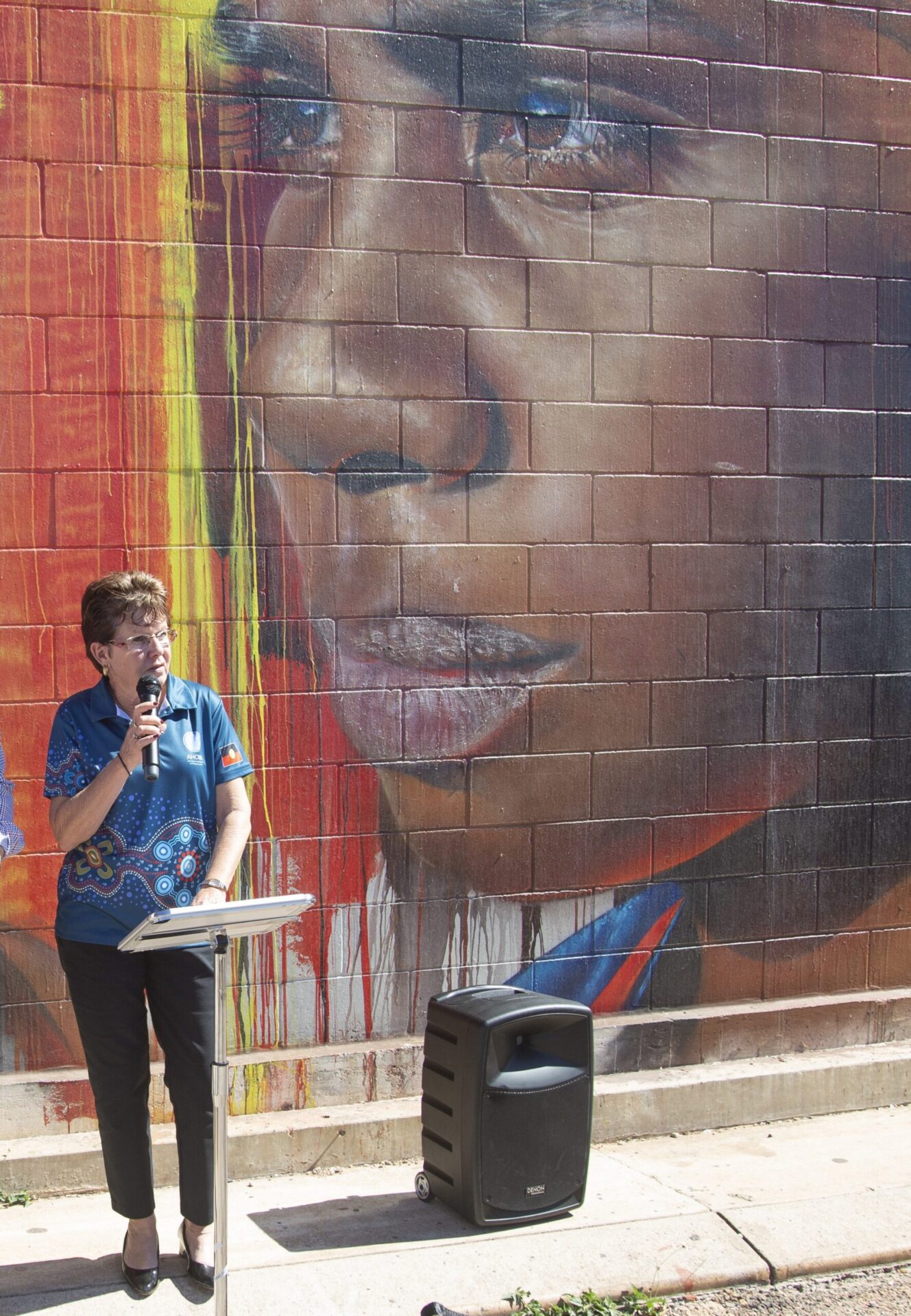
Vicki is delighted to see that the ACCHS has grown to have a voice of its own.
“Seeing young people move into managerial roles, that’s something you wouldn’t have seen before,” she says.
“It’s important to back our young leaders and their decisions, and my view is, if a mistake can be corrected, it’s not a mistake.
“Every person should have the opportunity to manage. If you don’t get that opportunity, you don’t get the experience.
“We have some young leaders in their 20s, and older leaders in their 30s, and we need to support them all, help them step onto the ladder and climb.”
Vicki is also proud that KAMS is now the provider of all renal services in the Kimberley, winning the tender last year.
“We have a great partnership with the WA Health Service,” she says. “We are bringing home dialysis to more people, treating 160 people a week.
“Our aim is to slow down Stages 1 to 3 and to target prevention by advocating investing in environmental health – that means better housing, better-placed rubbish tips, food security… That focus would help greatly with a number of other illnesses too, including diabetes and cardio-vascular.
“The fact is, you get sick for a reason,” says Vicki.
A study has shown that primary disease, according to the World Health Organisation definition, was the reason why most Aboriginal people spent time in hospital over a period of a year in WA, costing the state $14 million.
“Governments need to focus on the front end,” says Vicki, “dealing with overcrowding, for example, and spending money on all those environmental issues, rather than the bricks and mortar of new hospitals.”
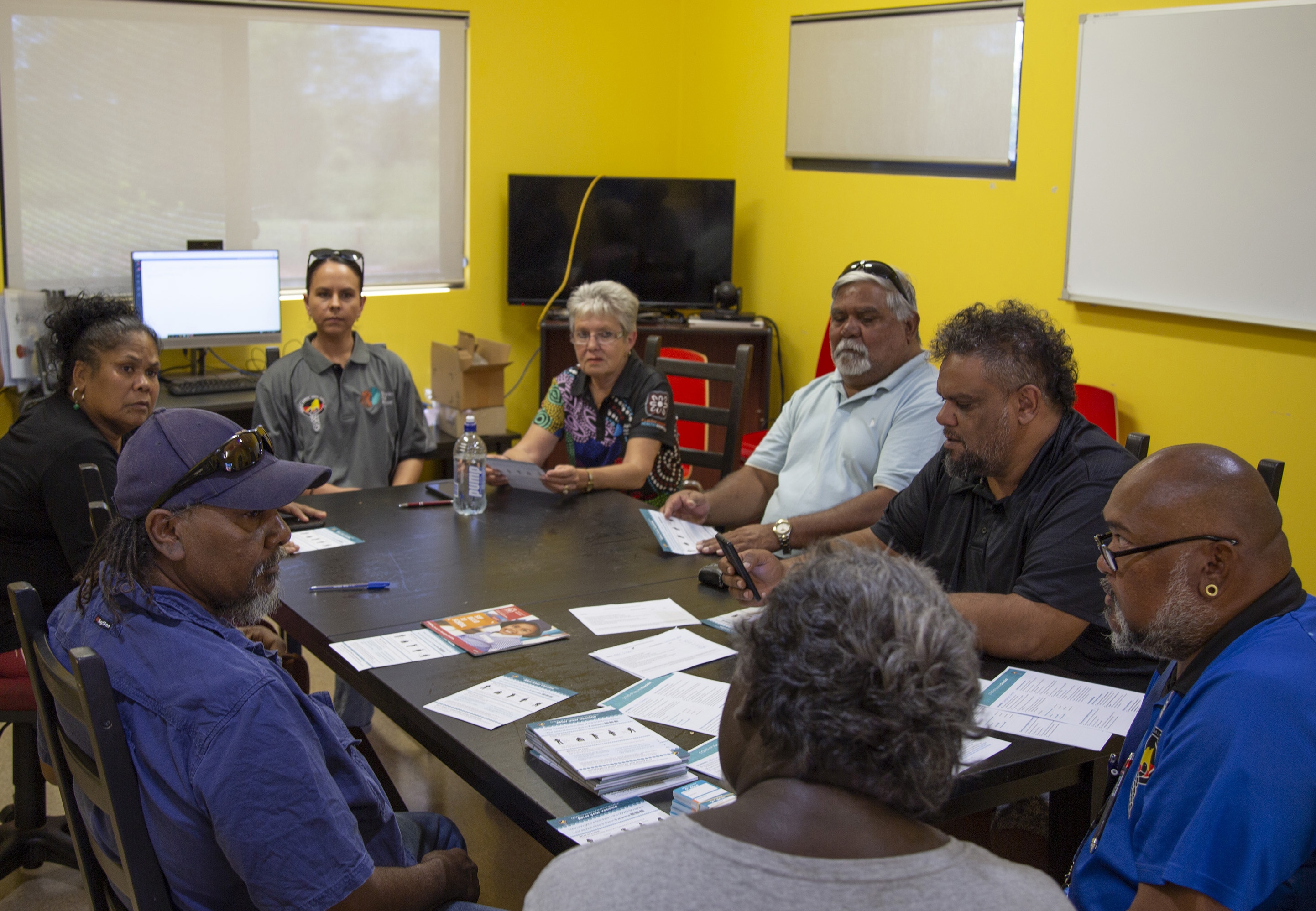
Vicki is also proud of the COVID-19 response from ACCHS.
“We led the way in WA,” she says. “In the Kimberley, we were on the front foot at the very start, dealing with 22 cases, the highest figure in any region. And we have continued to be proactive.
“Even before the WA government, with the latest wave, we were putting in orders for vaccines, for RATS, for masks and making plans.”
Vicki believes the Kimberley region has been successful because of its ability “to work well as a sector, share information to avoid overlap and repetition, get the messages across to our mob to be safe.”
“We did the same with action to promote the vaccine and, with the latest outbreak, we will be prepared as well as we can be. There will always be issues to be ironed out, but we will make sure we work as well as possible with whatever happens.”