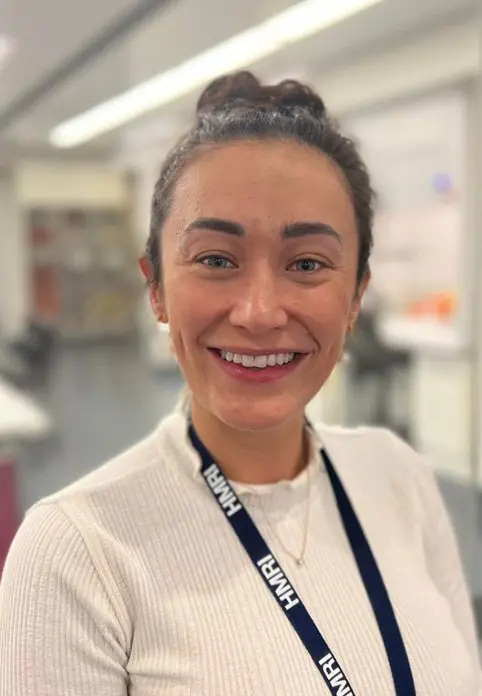
“At the time of that disaster, I was considered a senior, working in triage and resuscitation at the hospital where I was working,” says Catherine.
“It got me thinking, we have concerts here. What if something like that happened on my watch? What would I be required to do? What can I expect?
“I started to read articles about disaster preparedness and responses. And I realised that this was bigger than me and the facility I was working in.”
Catherine is now half way through her PhD research to explore the experiences of rural and remote nurses in Australia who have assisted in disasters.
Which was not simple.
“Rural and remote nurses in Australia are often involved in disaster response, facing unique challenges in their daily practice because of geographical isolation and reduced resources,” says Catherine.
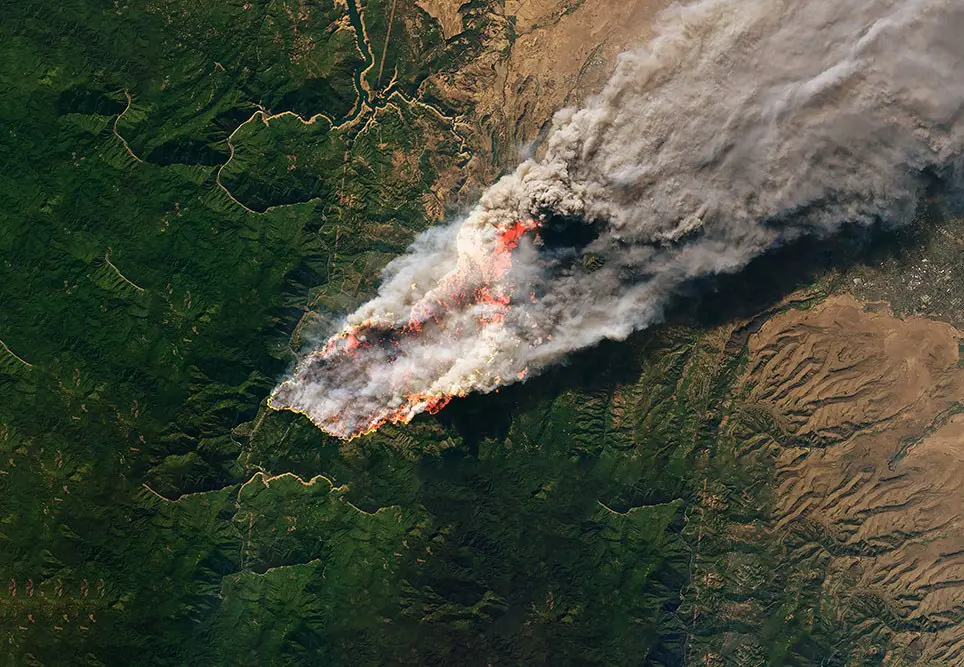
“But their experiences have been largely unreported. I knew there had to be other rural and remote nurses in Australia who would like access to local research to inform their practice.”
Catherine looked at thousands of articles, from countries like Brazil, Japan, Canada, the US and Thailand. Not one article in Australia fitted the criteria. And so Catherine relied on overseas material for the first stage of her research, Experiences of rural and remote nurses during and following disasters: a scoping review.
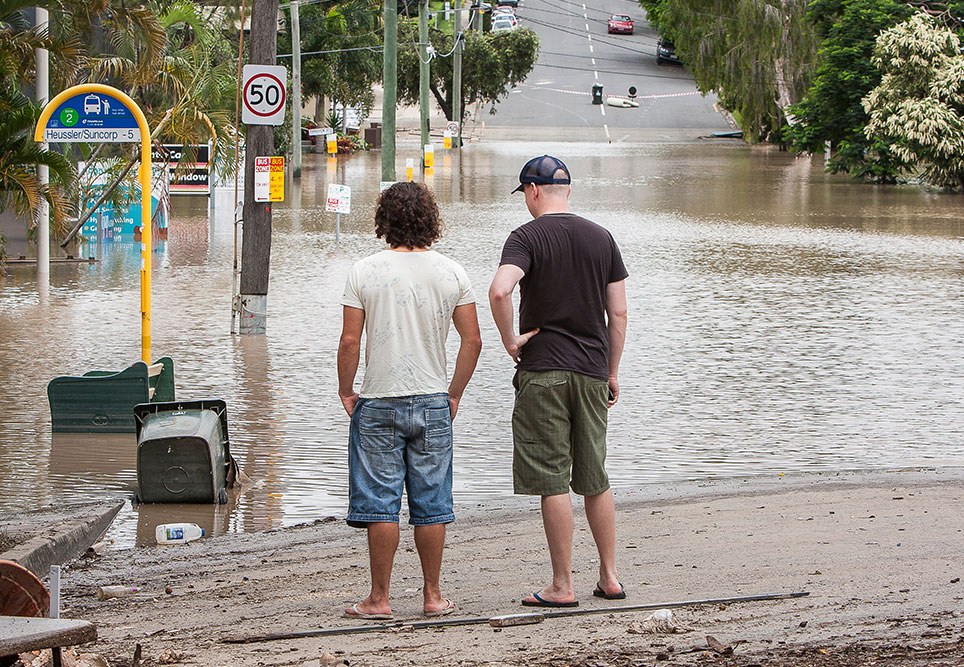
Eight overseas articles met the inclusion criteria for the review which identified four major themes: disaster roles, pre-disaster preparations, psychological and emotional states, and community involvement and relationships.
“We learned about nurses’ initial involvement, which was immediately before the disaster,” Catherien says.
“They did things such as gathering essential equipment and First Aid materials; contacted other individuals, informing them of what was happening; checked out safe ground and evacuated people, generally preparing for the impending disaster.”
The articles then described the psychological and emotional states, the feelings of powerlessless or unease when they couldn’t leave the hospital, because the demand for their skills was too high, and concerns that they didn’t have the right or essential equipment.
“The articles did show specific areas where the nurses, because they were in rural and remote areas, had existing relationships with the community and, because of that, they felt able to step up,” says Catherine.
“They felt they could assist the community members because of those connections. For example, ‘they knew this person has high blood pressure,’ ‘They’d met this person before and could facilitate easier prescription of their medication due to this intimate knowledge of the community members’.”
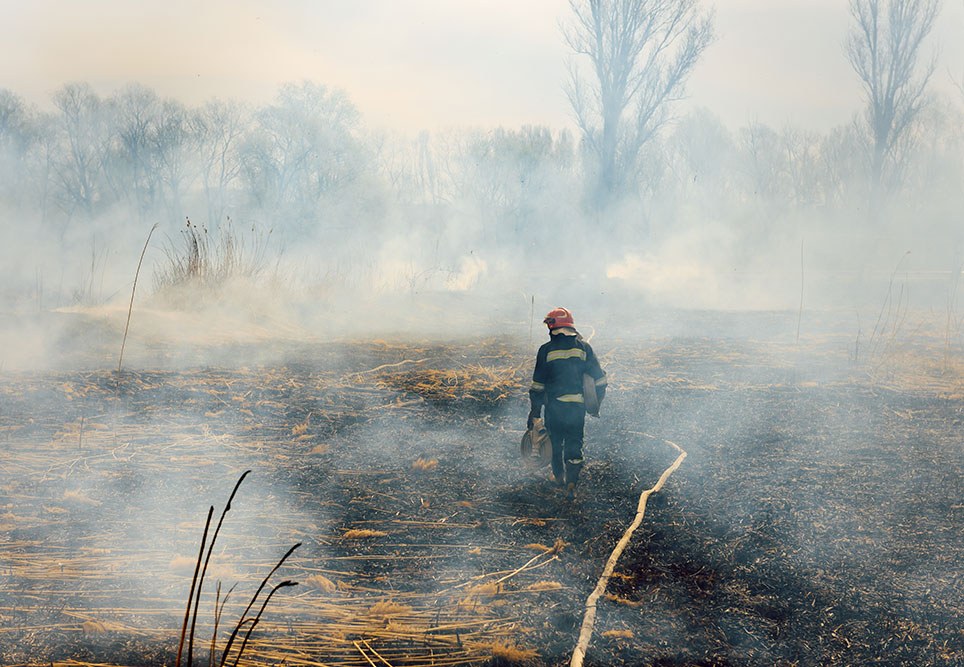
“The scoping review showed that the nurses had extensive roles when responding to the disaster. Assessing, triaging, providing treatment and psychological support, skills in networking and collaborating with other health agencies; they were required to coordinate people and to respond effectively.
“What has been clear to me are the attributes that nurses bring to their role in disaster situations, attributes that you don’t learn. They are innate,” says Catherine.
“And what couldn’t be answered in the scoping review was how these attributes are influenced by the rural and remote context in which these nurses are situated and the relationships they have with their community. Is this something that is specific to rural and remote nurses?”
Catherine recognised that further research is needed to better understand this phenomena and to address knowledge gaps in existing literature, specifically regarding Australia. She’s set out to fill those missing spaces.
In the process, she has been inspired by the stories from Australian nurses who have faced disaster in their working lives, stories that will become part of her thesis.
“I’ve been overwhelmed by the stories that these nurses have shared with me,” she says. “Their commitment and dedication to provide care for the community, sometimes even being affected by the disaster themselves, helping out wherever and however they can — they are just truly amazing clinicians and human beings.”
In the next stage of her research, Catherine will analyse the responses from the nurses she has interviewed – to better understand and explain their experiences in disaster situations in rural and remote areas.
Ultimately, her aim is to provide Australia-specific information and support for nurses throughout the country, should that “what if” question ever become a reality for them.