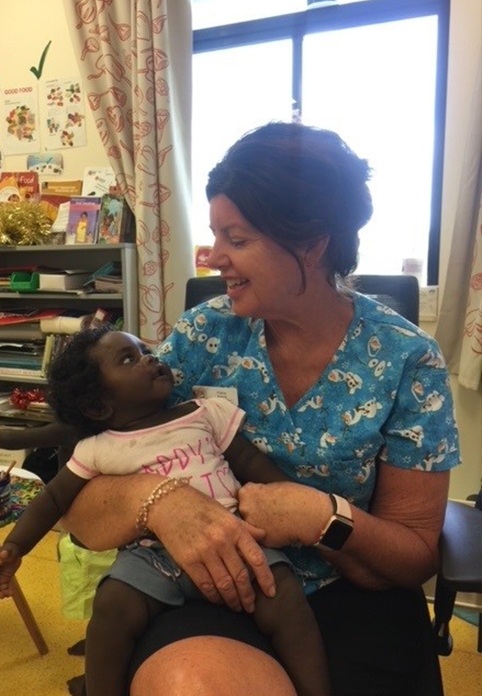
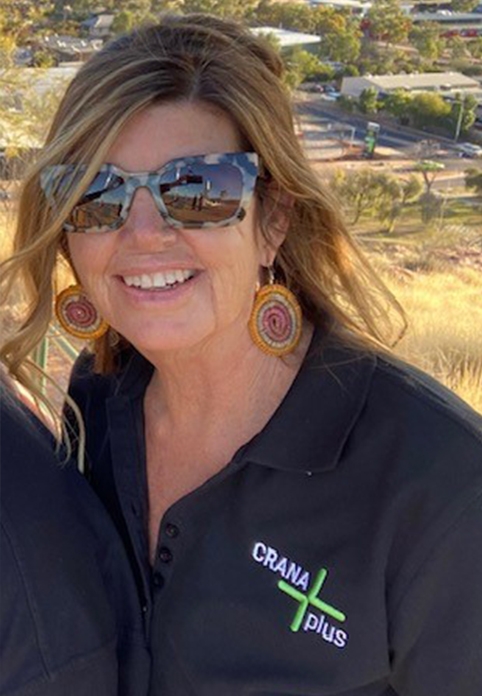
Di’s first taste of rural and remote midwifery was over the Christmas period of 2015, when she took long service leave from her Midwifery Unit Manager role on the Gold Coast to help a friend in the Katherine Maternity Unit.
“I absolutely totally loved it. I saw that there was a niche that met my core values in maternity care-providing, and gave me the opportunity to think outside the box to deliver maternity care,” she says.
Over the past seven years, Di’s remote area midwifery work has also seen her living and working alongside RANs in Aboriginal communities, including two-and-a-half years that she “absolutely loved” in Wadeye, NT delivering continuity of care and making a difference.
Nowadays, you will find Di travelling in her Landcruiser 200 series across rural and remote Australia undertaking 12-week contracts in communities in need of midwifery care.
“From Wadeye I went to the Torres Strait, to Thursday Island, and to Port Hedland and communities in WA and Queensland,” says Di.
“Recently I’ve been doing some rural placements, Gladstone, Esperance and Carnarvon, with that rural and Indigenous health focus – they’re not as remote, but just to recharge and keep current.”

Di used to run impromptu emergency birthing courses when she met RANs at outreach centres. She has since transferred this passion to her volunteer role as a CRANAplus facilitator on the Maternity Emergency Care (MEC) and Midwifery Upskilling (MIDUS) courses. 16 months in and she has five course facilitations under her belt.
“I have huge respect for remote area nurses, having worked with them really closely in remote communities,” Di says.
However, Di believes a fear of maternity can at times pose a risk to the provision of evidence-based care to mothers and babies in remote areas, where birthing services are not often available locally.
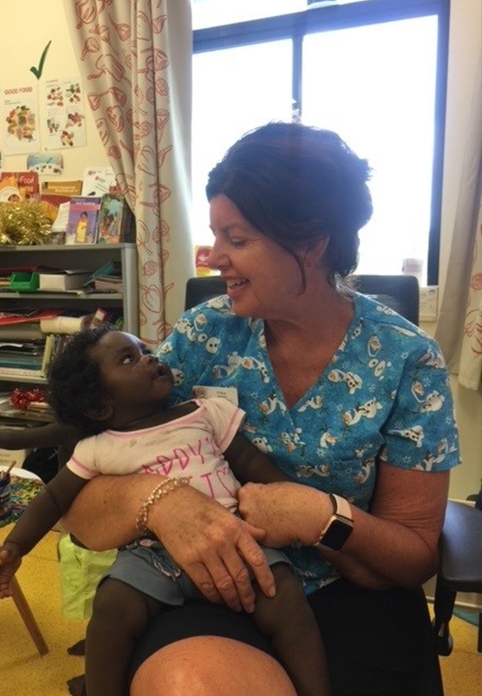
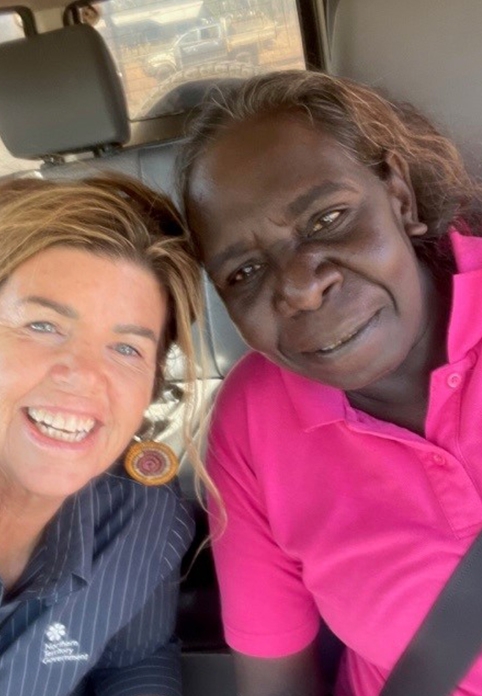
Di says that the MEC course is about expanding the “massive toolbox of skills” RANs have even further, in order to alleviate understandable anxiety about maternity care including emergencies and equip RANs with the right questions to ask and the awareness of whether a woman can be managed in Community.
The end result is that they will be able to collaborate as effectively as possible with the midwife or district medical officer, and provide as much care as possible on Country.
“For example, is it preterm labour or is it just a simple urinary tract infection that is giving her contractions?” Di asks.
“If we treat the infection early, she may not have to go into a tertiary unit for weeks prior, to await the arrival of her baby.”
Di says that RANs can also play a vital role in shaping healthy pregnancies and limiting the occurrence of preterm birth; for example, by screening for STIs and anaemia during the preconception period.
“A healthy mum grows a healthy baby,” says Di.
A trusted, fluid, culturally safe and appropriate healthcare service that strengthens healthy literacy is key to preventing preterm birth and achieving optimal maternal outcomes.
“It’s about being in that yarning space, being trusted,” says Di
“Trust is the most important thing… and these RANs are trusted, and they’re there all of the time, as unfortunately, not all services have access to a midwife on the ground.
“We just need to empower that trust… that goes some way to preventing adverse outcomes.”
Di encourages any nurse who has an interest in rural or remote health to attend a MEC course and expand their toolbox further.
“Once nurses have done a MEC, they have the skills to take back to their individual working environments and provide great immediate antenatal assessment and care,” she says.
“We’re not expecting RANs to know how to be a midwife; we’re just expecting them to be able to know what’s normal… and know that it’s okay to not know and to consult and refer.”