“It’s a privilege when people want to share their stories with you and you can help them,” says Bush Support Line psychologist Maria-Christine Mandile.
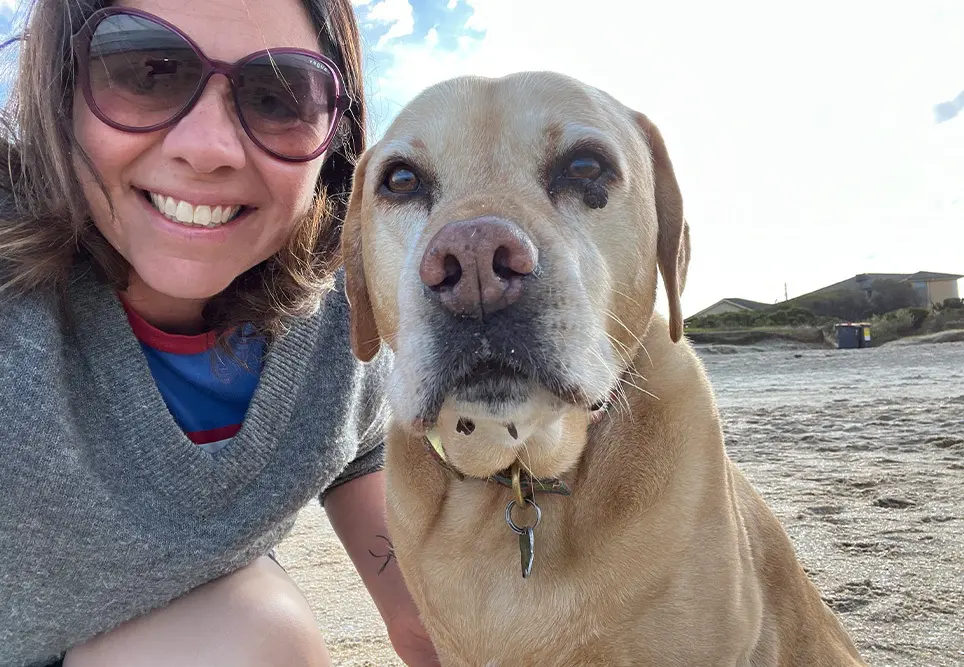
Helping health workers feel settled in rural and remote locations with plans to stay long-term is a triple-win situation, according to Maria-Christine, also known as MC.
“We really should have the best professionals out there,” she says. “And it’s a real bonus if they want to stay for some time. If the health professionals are happy in the community and feel supported, the people in the community not only get top quality care but continuity of care.”
And to be part of that process through the Bush Support Line, helping callers with their issues, big and small, is the third ‘win’ that MC feels personally. “The genuine people: you want them to hang around.”
The Line offers free 24/7, 365-day telephone support to Australia’s current and emerging rural and remote health workforce and their families.
It’s hard for people who have not experienced life in remote areas to appreciate how different it can be to big town and city life, which is why the Bush Support Line hires people who have rural, remote, and cross-cultural expertise.
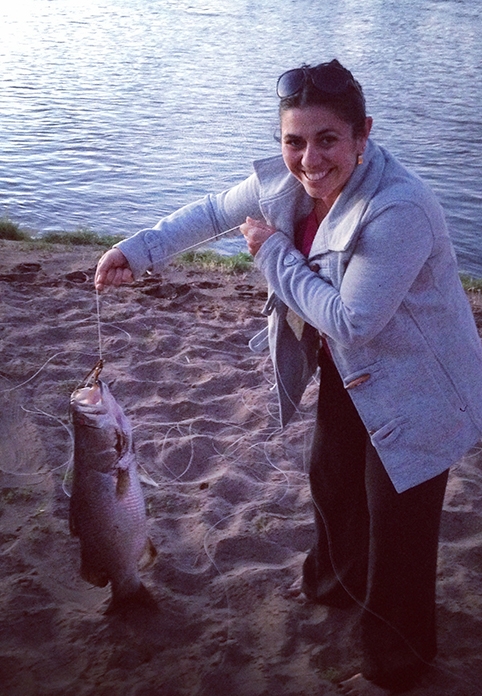
MC lived in remote areas of WA for a number of years, specifically in Kununurra and Wiluna on the edge of the Western Desert, and also in Rockhampton in Queensland.
“One difference is uncertainty,” says MC. “Let’s say the uncertainty is caused by the weather, such as flooding roads, which then means a lack of fuel and food. For a first-timer in a remote community, uncertainties can be scary. They may panic. That’s where the Bush Support Line can help them work through these situations, and know that life may be hard, but these problems are not permanent. It is going to pass and you have some control, maybe not of the weather, for example, but you know how to cope.
“Resilience is an important attribute in remote locations, and you don’t know just how much until you are there.”
Workplace issues, personal issues and community issues are the three matters that MC considers to be the most common situations that callers want to discuss.
“It’s not always a dramatic incident,” she points out. “It could be someone who is trying to make a decision and needs someone to talk to about it.
“Covid definitely opened up the use of telehealth, online and phone services, making the Bush Support Line clearly a viable and worthwhile service that is both accessible and inviting.”
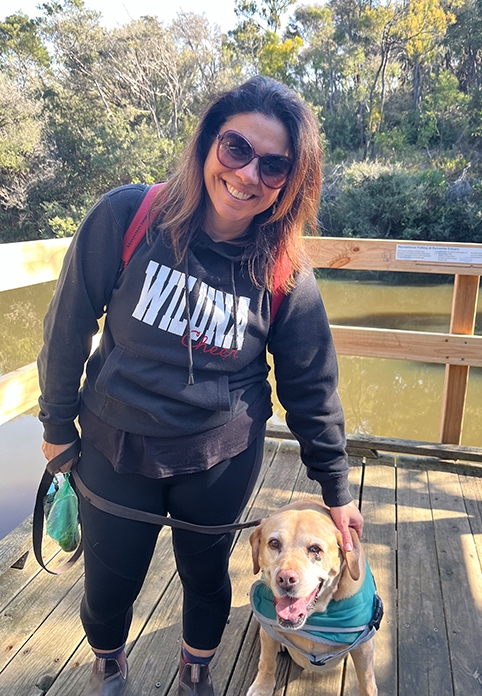
This job, for MC, who started at CRANAplus in February 2024, taps into her love of studying, learning and teaching.
As well as being one of the professionals on the other end of the Bush Support Line, MC also enjoys being part of the education team: this includes writing for Mindful Monday, running online wellbeing workshops and reviewing the online resources available to health workers.
“I do like to be able to help provide people with stability within themselves,” says MC.
“With the wellbeing workshops, self-care is the bread and butter of what we teach.
“You can’t last if you don’t look after yourself and recognise the signs of stress.”
A good psychologist, she believes, is someone who is really grounded and down to earth, who works on themselves too, and recognises they are not the expert of other people’s needs.
“I believe we are the experts of ourselves and a good psychologist is one who helps people access that information and explore the tools to help themselves.”
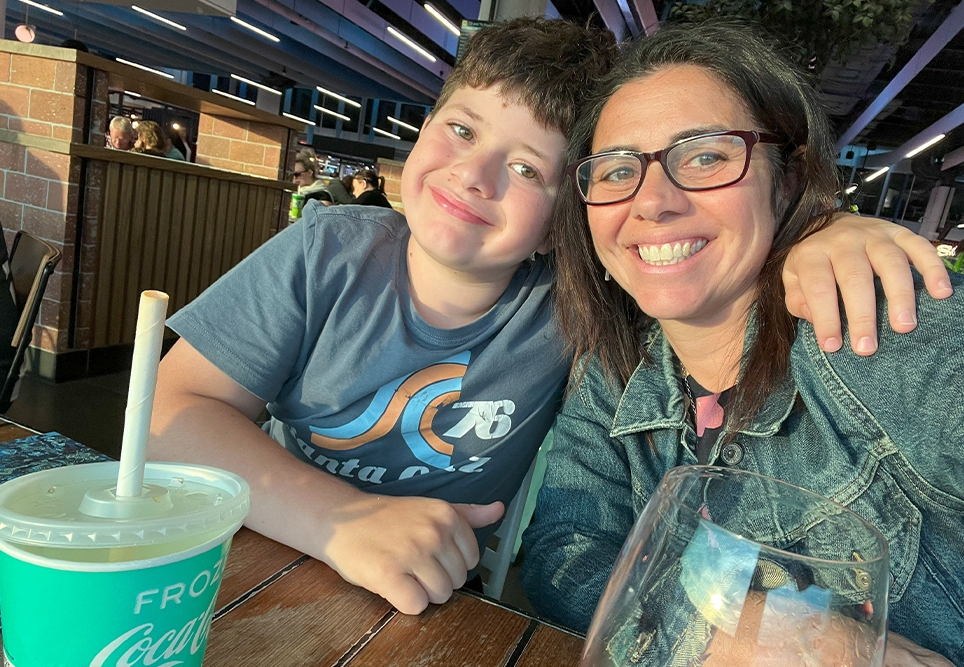
MC grew up in Melbourne and realised early in life that she wanted to study psychology. Living overseas for a few years, mainly in Ireland, she worked with children in schools with special needs, young people at risk, and child protection.
“In Ireland, I was given the advice to get back into completing my studies with a postgraduate certificate. Since then I have continued the learning process and I’m particularly interested in exploring the benefits of therapies that tap into trauma in all its forms.
“Trauma memories don’t get processed as much or as easily as other memories,” says MC. “Those traumas can be carried through our life unless they are processed – for example, learning at an early age not to trust – and I am very interested in therapies that can assist with this.”