Naomi Zaro, descendant of the Meriam (Dauareb) people of the Torres Strait, uses her platform as a re-elected CRANAplus Board Member to be a voice for Aboriginal and/or Torres Strait Islander Health Practitioners who play a valuable role in rural and remote health care, holding community knowledge that RANs may not. Naomi highlights how important it is that these roles work together to bridge this gap in awareness.
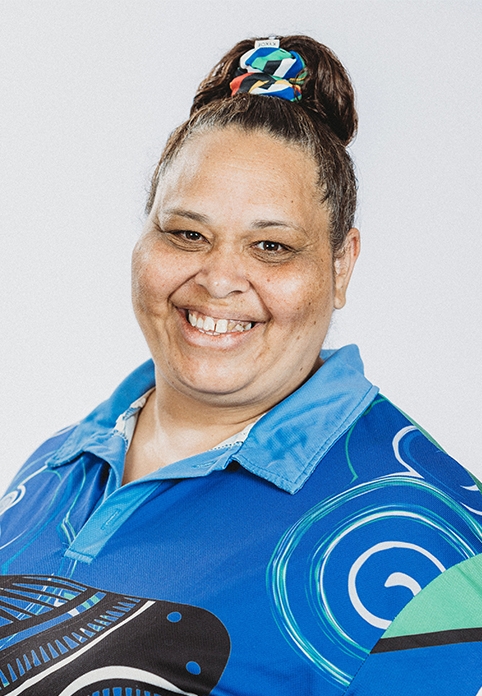
“Nurses come out to us from the hospitals and, more often than not, they don’t know what an Aboriginal and/or Torres Strait Islander Health Practitioner is, or what their role is in the clinics,” Naomi says, having worked at Sunrise Health Service Aboriginal Corporation throughout the Katherine region as an Aboriginal and/or Torres Strait Islander Health Practitioner Clinical Educator for five years now, and many years before that within Aboriginal Community Controlled Health Services.
“When you do get new staff come, they’ll sit down and have a yarn with me and I’ll just explain what Aboriginal and/or Torres Strait Islander Health Practitioners are and how we will work alongside each other out in communities.”
The role came about in the early 1950s, and Naomi explains how far it has come since then.
“It was more seen as a brokerage type role between the Indigenous clients and patients and the Non-Indigenous nursing staff and doctors,” she says.
“Then, as with everything, it becomes something a little bit more. Clinical skills were taught in about the 1970s, and that includes the development of the Aboriginal Health Worker training. So the role changed from being sort of like the translator or interpreter to being a little bit more hands-on.
“And then it became more again, with clinical responsibility, doing patient observations, and working with the nurses and doctors when they went out to communities.
“The role now looks more holistically. Looking at the social and emotional wellbeing of clients, health promotion and the mental health and wellbeing side of things. So the role has diversified again from being just clinical, broadening our scope of practice.”
Naomi says it is an ongoing task to educate about the evolution of this role, and to get others in the workplace to see Aboriginal and/or Torres Strait Islander Health Practitioners as equals.
“Don’t get me wrong, there are lots of RANs that have worked with lots of Aboriginal and/or Torres Strait Islander Health Practitioners and it’s like a dream machine, things just work. But then you do get some that just have no idea, and you sort of feel faded into the background a little bit,” she says.
“I think one of the biggest things is acknowledging that we’re all out there for the same reasons. We’re all on the same level.”
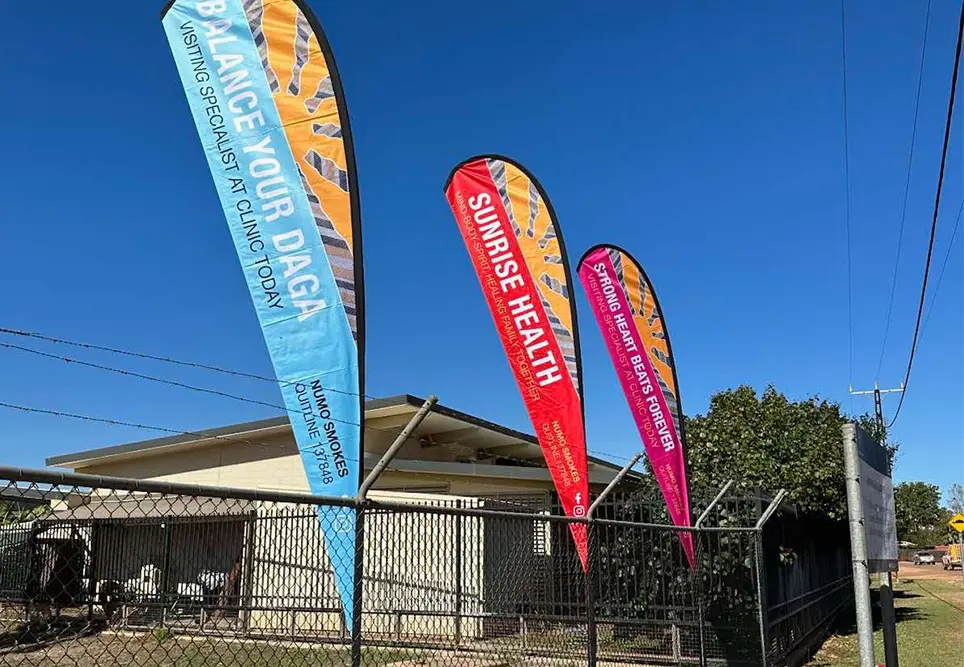
One takeaway Naomi has for RANs as a starting point to broadening community awareness is the importance of respecting men’s business and women’s business.
“When I was working back in Kalgoorlie, there was a bloke on the list who needed to be seen and at the time we didn’t have any male health workers or nursing staff on,” she recalls.
“So I called the gentleman through, and when he came through, three of his wives came through as well. I spent the consultation speaking to them, and they were speaking for their husband. I found that interesting because it was the first time I’d ever experienced it.
“Even though not everywhere is the same, a lot of things are very much similar between communities. So the biggest thing that [female] RANs need to know is men won’t talk to you. Some will engage with you, depending on how comfortable they are with you, but it’s more so just the cultural practice. There’s stuff you just do not speak about, at all. In a hospital setting you’re like, ‘Okay, we need to change your bedpan, we need to change your catheter,’ whereas in community, you just wouldn’t do that.
“It’s just these little things that can help RANs to improve their practice, and improve the community engagement as well.”
Naomi suggests that the best place for RANs to start building on knowledge is connecting with the people around them.
“If they’ve got Aboriginal and/or Torres Strait Islander Health Practitioners in their communities, definitely speak to them. Also a lot of Indigenous staff are from the community, so speak to community staff, that would be their best bet to help lay that foundation, that community awareness.”
“At the end of the day, it doesn’t matter what your job title is out there, as long as the clients are getting what they need, and we all just work together.”