The Royal Flying Doctor Service (RFDS) (Queensland Section) Primary Health Care team play a crucial role in providing comprehensive health services to more than 20 rural and remote communities across Northern and North-Western Queensland, reaching areas that often lack a permanent health centre. Here, Karenlee Hess, Nursing Manager Primary Health Care, writes about their service and a typical day for a Primary Health Care (PHC) nurse on their team.
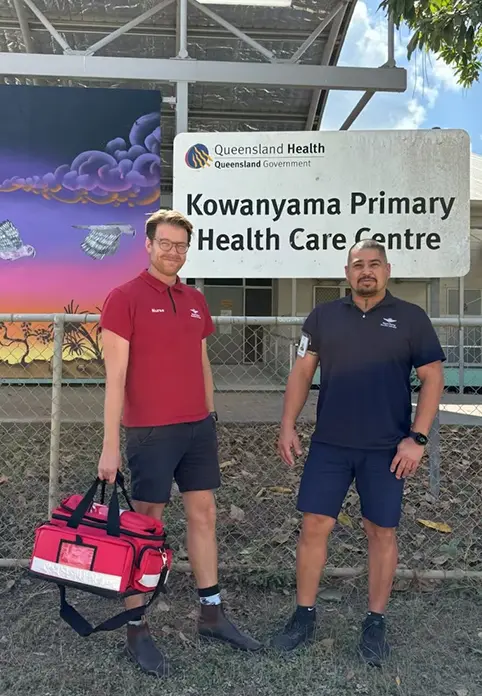
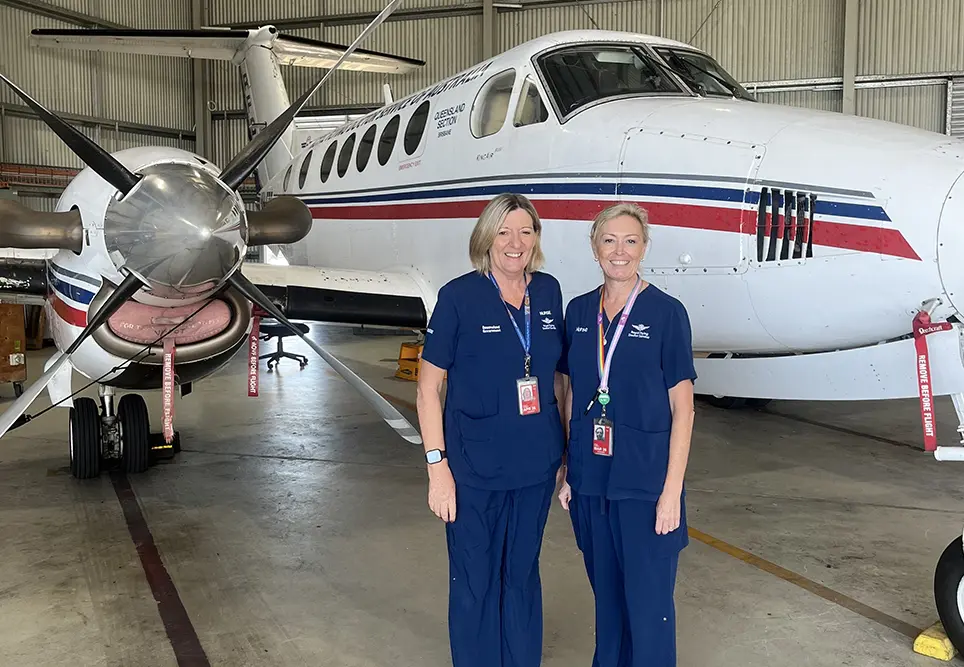
Not only do we deliver services where no others exist, but we also provide supportive care to existing Queensland Health clinics. Our collaboration helps alleviate pressure on local services, extend clinic reach, and enhance the quality and continuity of care.
The Cairns/Mt Isa PHC nursing team is made up of 11 PHC nurses, one Aboriginal and/or Torres Strait Islander Health Practitioner and two nurse practitioners. Our dedicated PHC nurses offer far more than basic health support − they are highly skilled, each bringing more than ten years of remote health experience and postgraduate qualifications to further enhance their clinical expertise and deliver a wide range of services tailored to the unique needs of each community. From immunisations to chronic disease management, women’s and men’s health, midwifery care, and child and family health services – their scope of practice is broad and deeply impactful.
In communities without established health centres, our team becomes the frontline of care. Their presence often represents the only accessible source of routine and preventive health services for residents. In these standalone clinics, the PHC team transports all necessary equipment, medications, and supplies via RFDS aircraft to the location, often setting up in community spaces such as town halls.
This approach ensures the delivery of essential health services in areas where permanent medical facilities may not be available. However, despite their expertise and preparedness, access to these remote areas still remains dependent on weather conditions.
Our nurses work in multidisciplinary teams, collaborating closely with RFDS general practitioners, mental health professionals, Queensland Health professionals, allied health professionals, and local community leaders to identify and address individual and communitywide health needs.
The importance of their work cannot be overstated, as they play a critical role in bridging the gap between rural living and urban healthcare standards. By promoting early detection and preventive care, they help improve long-term outcomes and reduce hospitalisations.
The RFDS PHC team administers vaccines to both children and adults to help protect communities from preventable diseases. This is an especially critical task in remote areas where outbreaks can escalate quickly, and travel to the nearest hospital or GP may take hours. Their efforts ensure that immunisation schedules are maintained.
Our women’s and men’s health services include cervical screening, reproductive health education and lifestyle counselling. For expectant mothers in remote communities, midwifery care delivered by these nurses is often the only available prenatal and postnatal support to ensure safe pregnancies and improve maternal and infant health.
Chronic disease management is another cornerstone of our service. With conditions such as diabetes, cardiovascular disease, renal disease and respiratory illnesses prevalent in rural populations, our nurses provide education, monitoring and medication support to help patients manage their conditions locally. This prevents complications and reduces the need for costly, time-consuming travel to urban centres.
A typical day for a PHC nurse attending a standalone clinic begins early with arrival at the RFDS hangar by 6.30 am. After equipment checks on key clinical equipment such as the i-STAT machine, defibrillator, vaccine fridge, drugs and computer, the nurse ensures up to 100kg of medical equipment and supplies are loaded into a trolley and weighed. Weight is imperative so the pilot can complete precise flight calculations. With the doctor’s help, the equipment is loaded into the aircraft.
After flying to the remote community, a local community volunteer transports the team and gear to a suitable community space, where the nurse sets up a makeshift clinic to deliver a full day of PHC services. The day is organised by pre-booked appointments, with a full individual clinical list for both the nurse and doctor. There’s no onsite administration on the day, and unexpected consults often add to the busy schedule.
At day’s end, it’s always a scramble to pack up, load the gear, and make it back to the aircraft in time for the flight home, usually returning to the hangar between 5.30 and 6.30 pm, depending on the clinic location.
Ultimately, the work of RFDS PHC nurses and Aboriginal and/or Torres Strait Islander Health Practitioners in rural and remote Queensland is more than a job – it is a commitment to equity, compassion, and community. Their ability to adapt to varied clinical roles, build trust within isolated communities, and respond to a broad spectrum of health issues makes them a cornerstone of Australia’s rural and remote health landscape. As we continue to navigate healthcare challenges in remote areas, their role remains critical in ensuring that quality care is not limited by location.