
Following the successful release of the Mental Health Emergencies (MHE) Online Course, CRANAplus has commenced its very first Triage Emergency Care (TEC) Online course this March.
TEC Online is a scheduled course held over a period of eight weeks across set dates. It features the same content as our traditional face-to-face triage courses but is delivered fully online.
“With COVID-19 affecting the delivery of some CRANAplus courses in 2021, particularly due to border restrictions, we gave some thought to what courses could potentially go to a purely online format,” CRANAplus Remote Clinical Educator Nicole Smith explains.
“Delivering a course online counteracts some of the associated costs, such as travel and accommodation, and you can pretty much guarantee it will be delivered.
“The triage course definitely fits the brief for online delivery. We’re not assessing clinical skills which are best delivered with face to face demonstrations and access to equipment. It’s a knowledge-based course; it’s about using your assessment skills to gather the information and assign your triage category, while also being mindful of communication, safety and what’s going on around you.
“Within the course, we give you the links and the tools to then make your own decisions about whether you need to upskill [through something hands-on] or through other online courses. For example, there are references to the Remote Emergency Care (REC) Course if you need to better understand how to do a primary survey.”
The content is based on the Emergency Triage Education Kit as developed by the Australian Government, but like all CRANAplus courses, it is tailored to the rural and remote context.
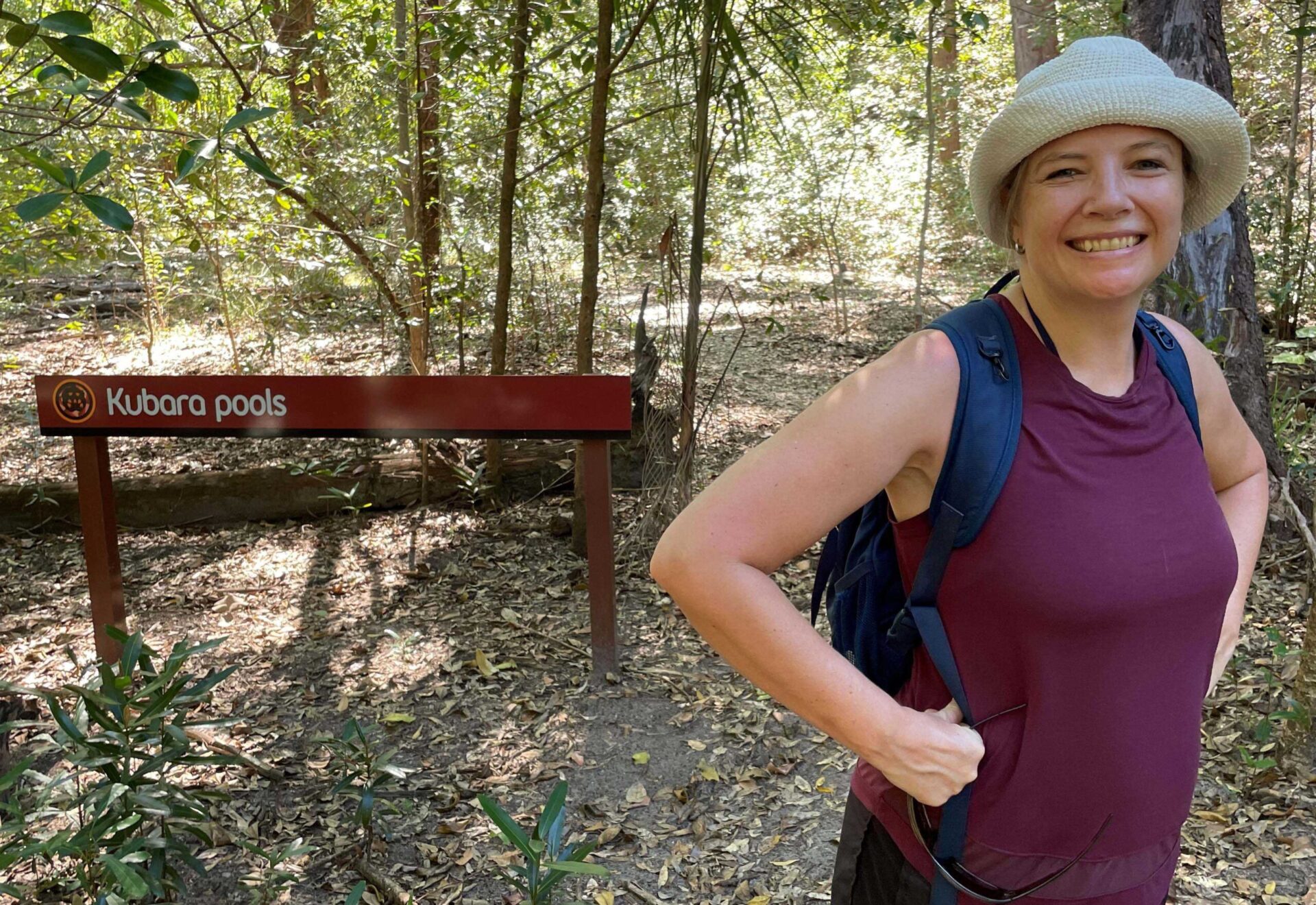
“Basically, what we’re giving you is an understanding of the Australasian Triage Scale and how to apply that to every person that presents to your clinic, whether it’s regional, rural, remote or isolated,” Nicole says.
“A lot of the scenarios are based in the rural and remote context. We refer to the facility as a clinic rather than an ED. We base scenarios on the fact you may not always be triaging in a clinic – you might triage out in community.
“We also incorporate some teachings from the REC, because, of course, remote and rural practitioners are not always just a triage nurse. After triage, they may then have to continue treating and managing the patient.
“If you’ve got clients coming in to visit the GP, because it’s GP visiting day, or you’ve got pregnant women coming in to see the midwife because the midwife is visiting, but then you’ve got a sick patient who wanders into your clinic… This course is about helping that triage nurse, or nurse, to quickly distinguish who needs to be seen first.”
The TEC Online course consists of five self-directed online learning modules, three online Zoom sessions, and an online discussion board for activities and reflection between Zoom sessions.
The Zoom sessions involve face-to-face questions and discussion about module content and group work on reflective activities/case scenarios about triaging and allocating a triage category.
Nicole says that group work “always helps with people being able to throw ideas around and to ask each other why they may do something as opposed to why they haven’t.”
Nicole acknowledges the vital contributions of the MEC and REC teams as well as the Mental Health teams in making this new learning opportunity a reality.
Having started with CRANAplus in 2021, Nicole brings a recent quality care background that has been influential in TEC Online’s development.
“Part of my previous job was reviewing incidents and complaints, a lot of which were from and/or related to emergency departments,” Nicole says.
“Many complaints related to how clients are treated, triaged, assessed and/or communicated with. That’s certainly made me very conscious of the course content and how we have gone about putting this course together.
“It’s essential the client gets timely access to care based on the triage assessment, and that they don’t leave feeling like they weren’t heard, listened to, assessed and most importantly, communicated with.
“If we always strive to do the best that we can with the knowledge, skills and resources that we have, we can only hope for the best outcome.”